
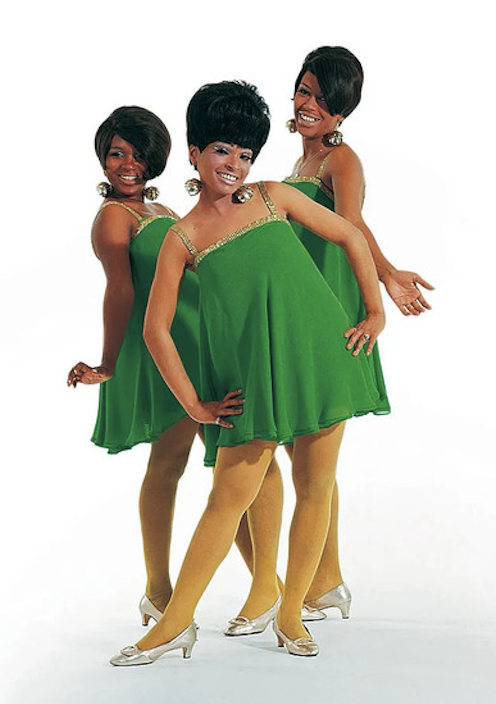
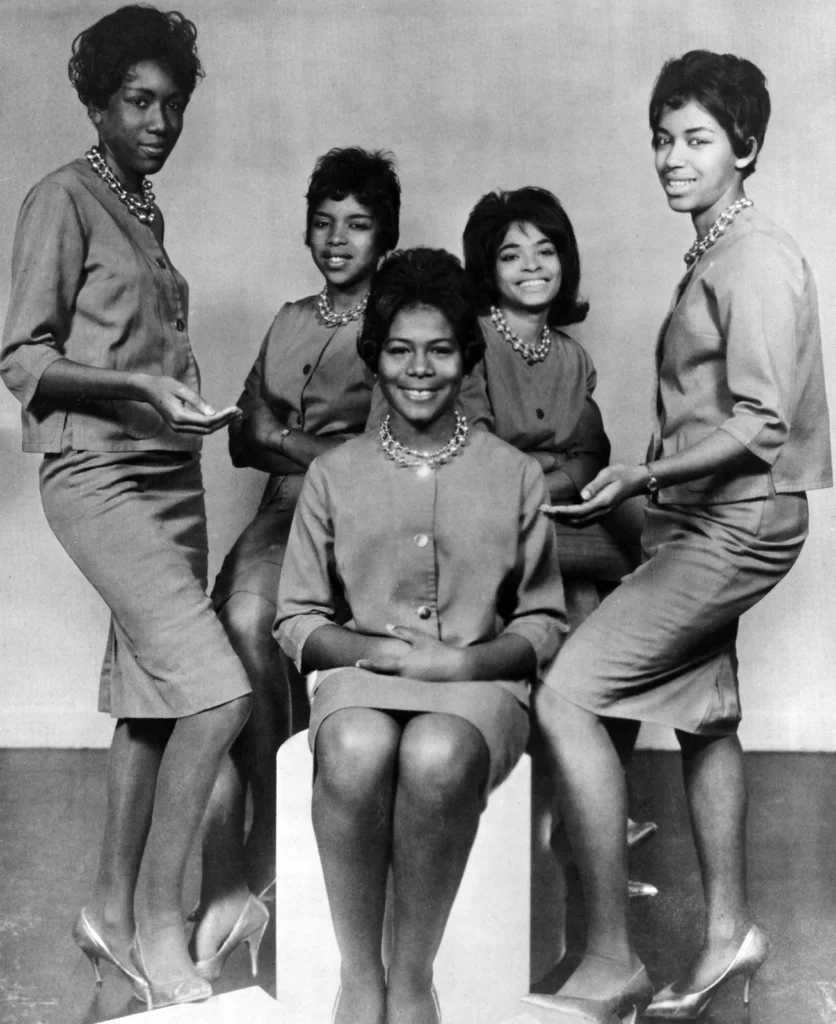
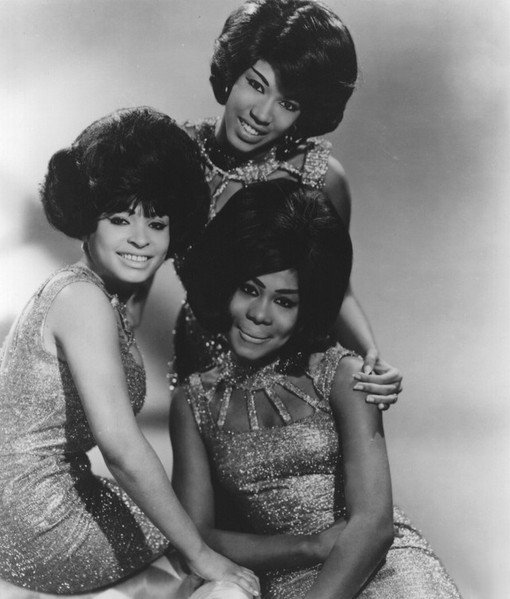
Long before Motown became the global hit factory, a group of high school girls from Inkster, Michigan, dared to dream. The story of the Marvelettes begins in 1960 at Inkster High, where Gladys Horton, Katherine Anderson, Georgeanna Tillman, Juanita Cowart, and Georgia Dobbins formed a singing group first called The Casinyets—as in “can’t sing yet.” But soon they found their harmony, inspired by the doo-wop and gospel groups of the ’50s and early soul pioneers like the Shirelles. Their break came when they auditioned for Berry Gordy’s brand-new Tamla/Motown operation. They didn’t win their school’s talent contest, but a teacher urged them to audition anyway. Georgia Dobbins, who briefly acted as the group’s leader, reworked an old blues tune into what became Please Mr. Postman. With Horton stepping up as lead singer, the song was delivered to Gordy. That single would forever change their lives—and Motown’s destiny.
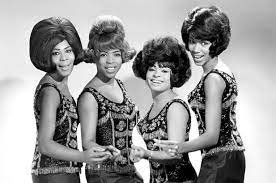
When Please Mr. Postman dropped in 1961, it wasn’t just a hit—it was history. The song shot to No. 1 on the Billboard Hot 100, making the Marvelettes the first Motown act to top the pop charts. Think about that: before the Supremes, before the Temptations, it was a teenage girl group from Inkster who kicked open the door. Their early sound had grit and charm—more raw than polished—with Horton’s urgent lead and tight harmonies behind her. Tracks like Playboy (1962), Beechwood 4-5789 (1962), and Too Many Fish in the Sea (1964) cemented their reputation for catchy, youthful storytelling. Unlike the later sophistication of the Supremes, the Marvelettes carried a working-class authenticity; their lyrics often leaned on everyday language, phone numbers, and neighborhood slang. Behind the boards, Smokey Robinson, Brian Holland, Lamont Dozier, and Norman Whitfield all played a hand in shaping their sound. By the mid-’60s, they were mainstays on the charts and on Motown’s famous package tours, riding the label’s momentum while carving their own identity.
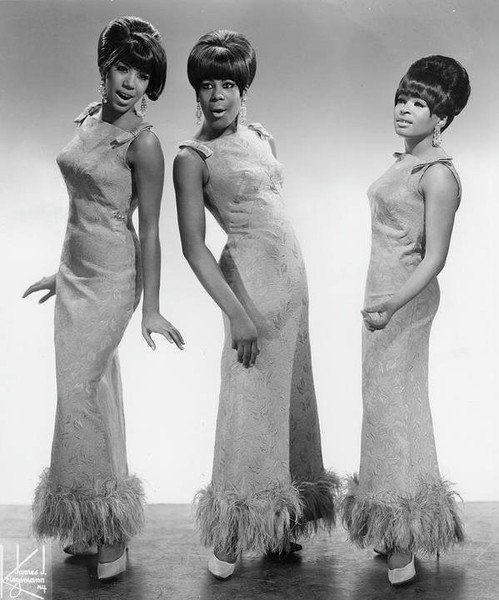
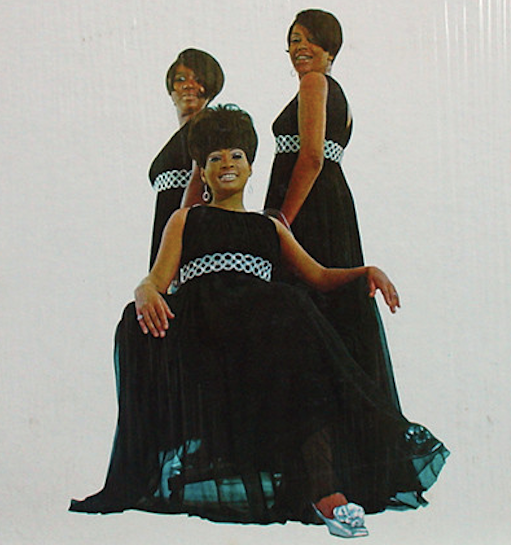
By 1965, line-up changes began to shift the group’s dynamic. Georgeanna Tillman left due to health issues, while Wanda Young stepped forward as a lead vocalist, giving the Marvelettes a smoother, more mature sound. This was clear in later hits like Don’t Mess with Bill (1966) and The Hunter Gets Captured by the Game (1967), both written by Smokey Robinson. These songs showed a different side of the Marvelettes—less teen energy, more sensual subtlety. Yet while their artistry deepened, the spotlight shifted elsewhere. Motown’s machine increasingly favored the Supremes, whose crossover glamour fit Berry Gordy’s vision for mainstream success. The Marvelettes, meanwhile, struggled with fewer resources, less promotion, and the weight of constant touring. By the early ’70s, internal strains, departures, and a changing musical landscape led to the group’s quiet fade. Their final album, The Return of the Marvelettes (1970), was essentially a Wanda Young solo project packaged under the group’s name. Without fanfare, the Marvelettes disbanded, their legacy overshadowed in real time by Motown’s bigger names.
But here’s the truth: the Marvelettes are the unsung queens of Motown. They proved that young Black women could top the pop charts, and in doing so, they set the stage for everything that came after. Without Please Mr. Postman, there’s no roadmap for the Supremes’ takeover or Martha and the Vandellas’ anthems. Their songs carried a raw honesty, reflecting the teenage heart with a directness that still feels fresh today. And while Motown’s spotlight shifted, hip-hop later brought the Marvelettes roaring back, with Please Mr. Postman and Beechwood 4-5789 sampled across countless tracks. Their influence can be heard in modern girl groups, R&B vocal harmonies, and the very concept of youthful, relatable soul. They may not have received the Motown polish or PR machine the Supremes enjoyed, but in many ways, that’s their power: they remain authentic voices of early Motown, working-class soul with stories that belonged to real girls from Inkster. Today, when we talk about Motown’s foundation, the Marvelettes deserve their rightful place in the first paragraph. They were pioneers, innovators, and—whether history gave them full credit or not—true architects of soul music.
The Marvelettes Discography
Studio Albums
1. Please Mr. Postman (1961)
2. Smash Hits of ’62 (1962)
3. The Marvelous Marvelettes (1963)
4. The Marvelettes Sing (1965)
5. Smash Hits of 1966 (1966)
6. The Marvelettes (a.k.a. “Pink Album”) (1967)
7. Sophisticated Soul (1968)
8. In Full Bloom (1969)
9. The Return of the Marvelettes (1970)
Key Singles
• Please Mr. Postman (1961, US #1 Pop, #1 R&B)
• Twistin’ Postman (1961)
• Playboy (1962, US #7 Pop)
• Beechwood 4-5789 (1962, US #17 Pop)
• Strange I Know (1962)
• Locking Up My Heart (1963)
• Too Many Fish in the Sea (1964, US #25 Pop)
• You’re My Remedy (1964)
• I’ll Keep Holding On (1965)
• Danger! Heartbreak Dead Ahead (1965)
• Don’t Mess with Bill (1966, US #7 Pop)
• The Hunter Gets Captured by the Game (1967, US #13 Pop)
• When You’re Young and in Love (1967, US #23 Pop)
• My Baby Must Be a Magician (1967, US #17 Pop)
If you’ve made it this far, you’re probably in the mood to discover more music like this !!!

 English
  Spanish