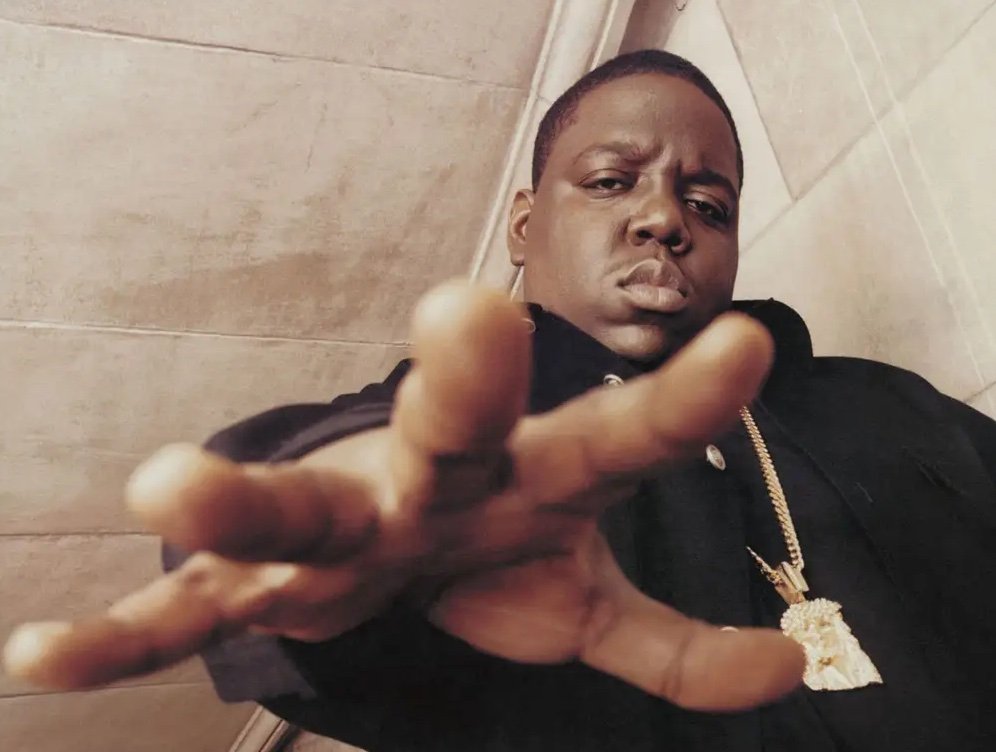
Before the crown, before Bad Boy turned into a dynasty, there was The Notorious B.I.G.—Christopher Wallace, a storyteller forged in the streets of Bedford-Stuyvesant, Brooklyn. Born in 1972, Biggie came up in a different environment than Pac, but one just as intense—crack-era New York, where survival was both a mindset and a daily equation. Unlike Pac’s political upbringing, Biggie’s early life leaned more into the economics of the street. That perspective would later define his lyrical content—detailed, unapologetic, and brutally honest.
Musically, Biggie absorbed everything around him. You hear echoes of Big Daddy Kane’s technical precision, Rakim’s internal rhyme structures, and the smooth confidence of Slick Rick’s storytelling. But he wasn’t a copy—he synthesized those influences into something heavier, slower, more deliberate. His flow felt effortless, almost conversational, but structurally complex.
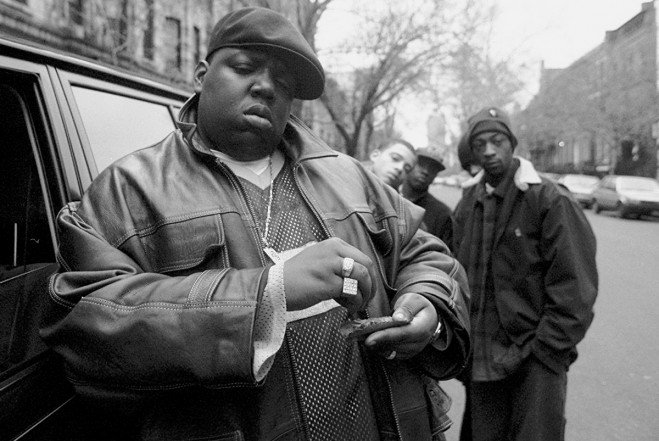
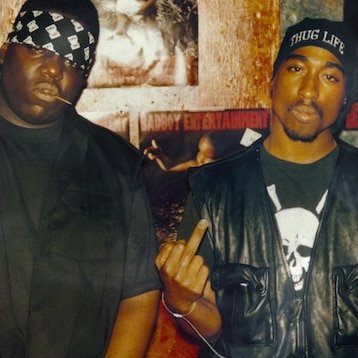
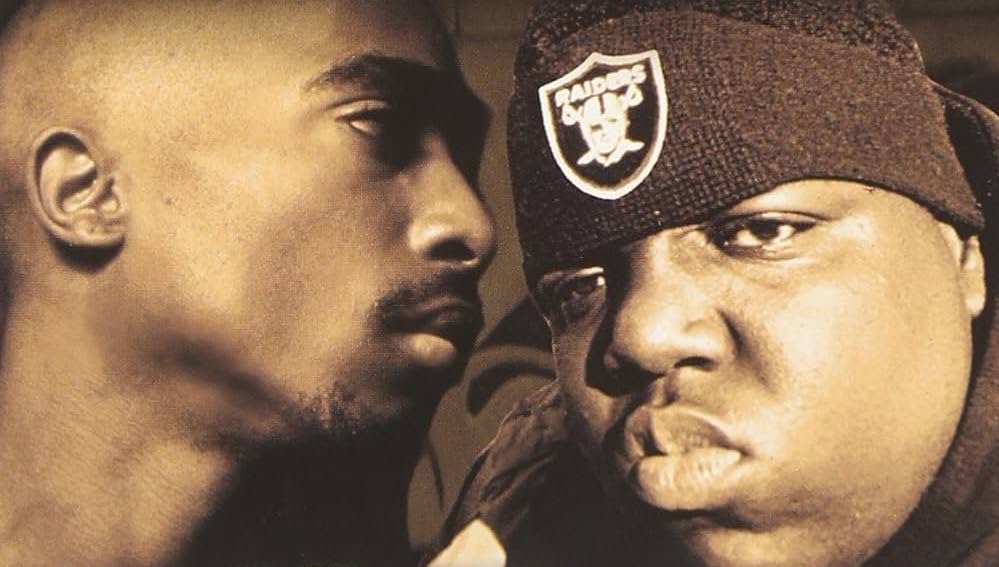
The turning point comes when Sean Combs—then building Bad Boy Records—discovers him through a demo featured in The Source. That co-sign changes everything. Around this same period, Biggie connects with Tupac Shakur. At first, it’s respect. Pac sees the potential immediately. There are stories of them sharing stages, even performing together. For a brief moment, the culture had both kings in alignment—before industry pressures, paranoia, and circumstance rewrote the script.
By 1994, Biggie isn’t just another New York rapper—he’s the voice redefining East Coast hip hop. His debut, Ready to Die, is more than an album—it’s a narrative arc. From the desperation of Things Done Changed to the cinematic storytelling of Warning, Biggie paints a full picture of street life without romanticizing it. And then there’s Juicy—arguably one of the most important hip hop records ever. It’s aspirational, autobiographical, and universally relatable.
What separates Biggie technically is control. His breathwork, cadence shifts, and rhythmic placement are surgical. He could stretch a bar, bend timing, and still land perfectly on beat. That’s not accidental—that’s mastery. And then there’s his voice: deep, commanding, instantly recognizable.
Bad Boy’s production style—cleaner, sample-heavy, infused with R&B—helped position Biggie for crossover success. Tracks like Big Poppa and One More Chance brought radio play without diluting authenticity. This balance becomes a blueprint—not just for East Coast artists, but for hip hop globally.
If Pac’s rise was explosive, Biggie’s was calculated—but just as powerful. By the mid-‘90s, he’s not just leading New York—he’s restoring its dominance after the West Coast surge. Ready to Die positions him as the heir to the throne, but his influence expands beyond solo work. His collaborations, his presence on remixes, his role within Bad Boy—everything amplifies his reach.
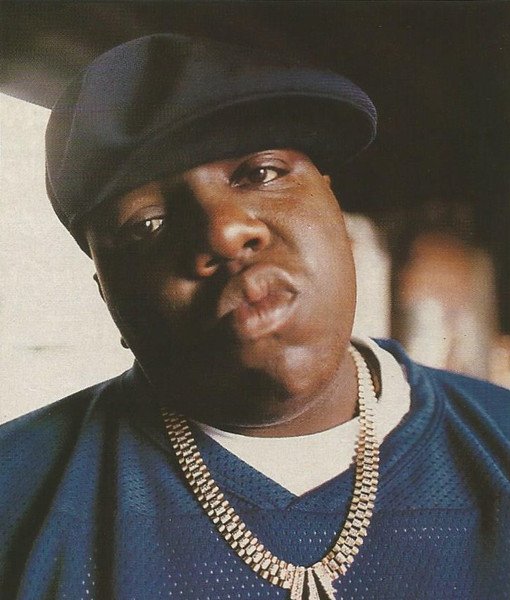
Then comes Life After Death. Released just weeks after his death, it’s a double album that rivals All Eyez on Me in scope and ambition. Tracks like Hypnotize, Mo Money Mo Problems, and Sky’s the Limit showcase versatility—club records, introspection, storytelling—all executed with precision.
Biggie’s uniqueness lies in contrast. He could be menacing and playful, luxurious and raw, all within the same verse. He didn’t just rap about the streets—he translated them into narratives that anyone could follow. His storytelling wasn’t abstract; it was cinematic. You could see every scene. By this point, Biggie isn’t just competing—he’s defining the sound of an era. And inevitably, that puts him directly in opposition to Pac—not just geographically, but symbolically.
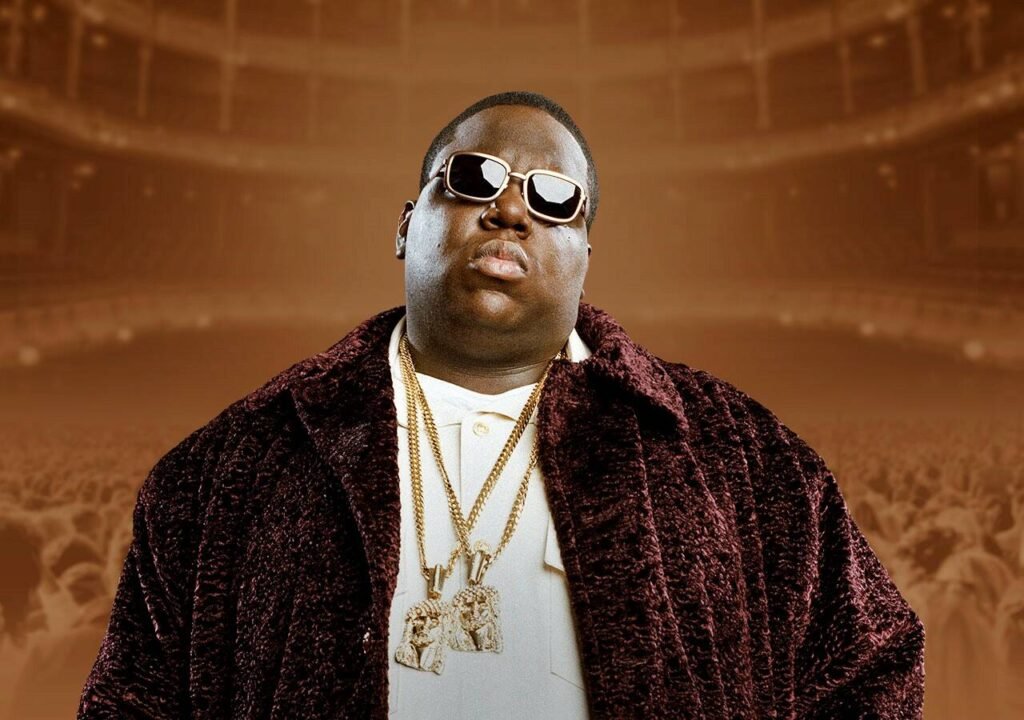
The fracture between Biggie and Pac evolves from misunderstanding into full-scale cultural conflict. After the 1994 Quad Studios shooting, Pac publicly accuses Biggie and Bad Boy of involvement. Biggie denies it—but perception becomes reality. And in hip hop, perception travels faster than truth.
As the East Coast–West Coast hip hop rivalry intensifies, Biggie finds himself positioned as the face of the East. Unlike Pac, his approach is more reserved—less confrontational in interviews—but the tension is there. Tracks, subliminals, media narratives—they all feed the divide.
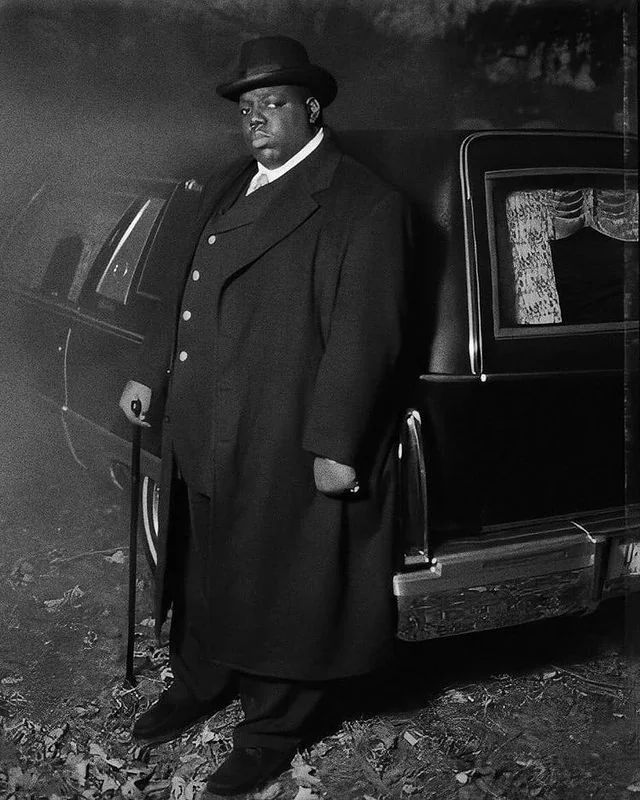
Pac’s Hit ’Em Up forces the issue into the open. It’s direct, aggressive, personal. And even if Biggie doesn’t respond in the same explosive way, the damage is done. The culture is split. Fans pick sides. Labels capitalize. And the line between competition and conflict disappears.
Then comes March 1997. Just six months after Pac’s death, Biggie is in Los Angeles promoting Life After Death. After leaving a party, his car is targeted in a drive-by shooting. He dies at 24. Two giants—gone within a year. Different coasts, same outcome. And hip hop is left to process a loss that still echoes today.
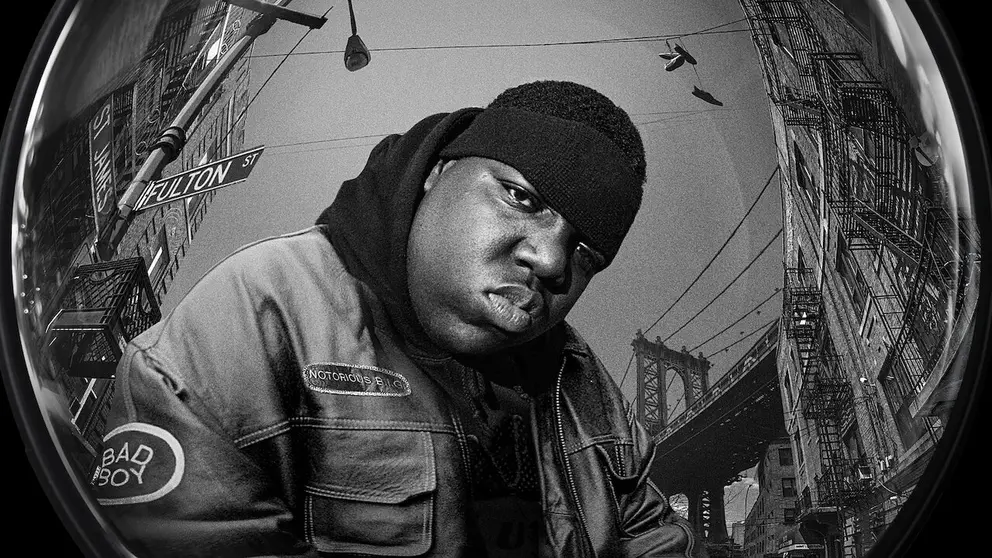
The impact of The Notorious B.I.G. is structural. If Pac expanded hip hop emotionally, Biggie refined it technically. His flow set a new standard—one that still defines elite MCing. You can draw a direct line from Biggie to artists like Jay-Z, Nas, and beyond. His influence isn’t just heard—it’s studied.
He also helped redefine commercial viability. The Bad Boy formula—street authenticity paired with polished production—opened doors for hip hop to dominate mainstream spaces without losing its core identity. That balance remains one of the genre’s central tensions today.
But here’s the truth that sits above everything: Biggie and Pac were never meant to be opposites. They were complementary forces. One led with emotion, the other with precision. One projected urgency, the other control. Together—even indirectly—they pushed each other to heights neither might have reached alone.
Their rivalry didn’t just define an era—it transformed hip hop into a global, high-stakes cultural force. And while the narrative often focuses on conflict, the deeper story is about evolution. Two artists, from different coasts, shaping the same movement—leaving behind a legacy that still informs every verse, every beat, every ambition in hip hop today.
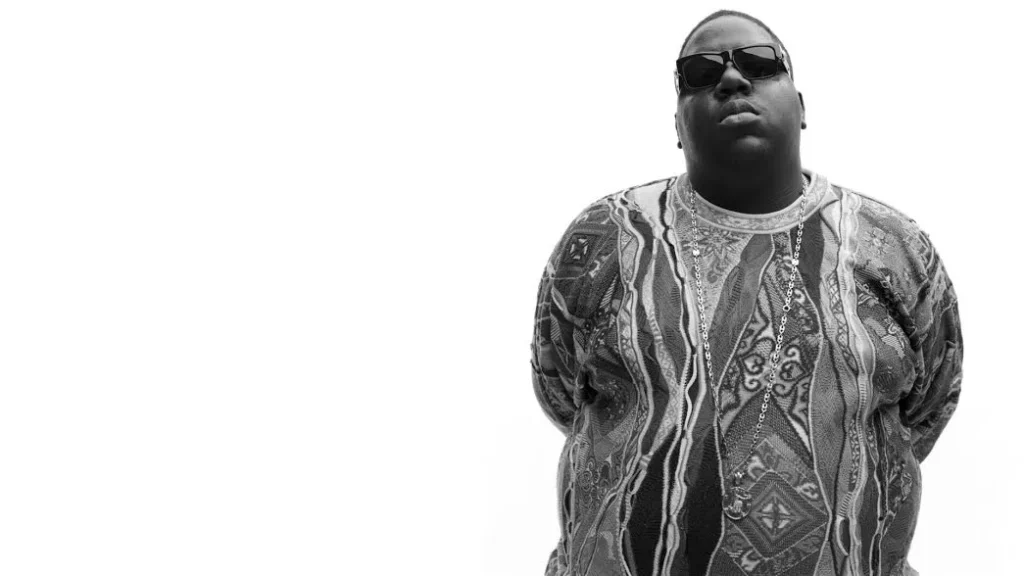
The Notorious B.I.G. — Full Discography
• Ready to Die (1994)
• Life After Death (1997)
• Born Again (póstumo)
• Duets: The Final Chapter (póstumo)
Epilogue — Beyond the Noise, What Remains
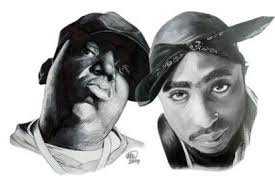
Time has a way of stripping things back to their essence. Decades after the loss of Tupac Shakur and The Notorious B.I.G., the noise that once surrounded them—media narratives, label politics, manufactured divisions—starts to fade. What remains is the music. And more importantly, what remains is the impact.
Because when you step away from the East vs West framing, what you’re left with is something much more powerful: two artists who expanded the possibilities of hip hop in real time. Pac made it acceptable—necessary, even—to feel deeply within the genre. He brought vulnerability, political awareness, and emotional urgency to the forefront. Biggie, on the other hand, refined the craft to a level that still sets the benchmark today. His flow, his storytelling precision, his ability to balance street reality with mainstream appeal—that blueprint is still in use.
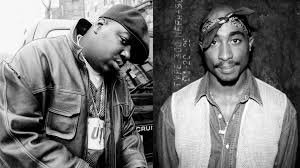
Together, they didn’t just dominate an era—they forced hip hop to grow up. They pushed it into mainstream consciousness while keeping its roots intact. And in doing so, they created a dual legacy that continues to shape everything from underground scenes to global chart-toppers.
But there’s also a lesson here—one that goes beyond music. Their story is a reminder of how quickly creativity can be overshadowed by conflict, how external pressures can distort internal relationships, and how narratives, once set in motion, can become impossible to control.
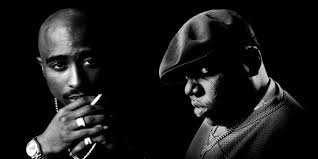
Still, the final word isn’t tragedy—it’s influence. Every artist who picks up a mic today, consciously or not, is building on foundations laid by Tupac Shakur and The Notorious B.I.G.. Not as rivals, but as architects of a culture that refused to stay confined.
And that legacy? It’s still alive—every verse, every beat that hits your conscious to shake your flow…
 English
  Spanish