
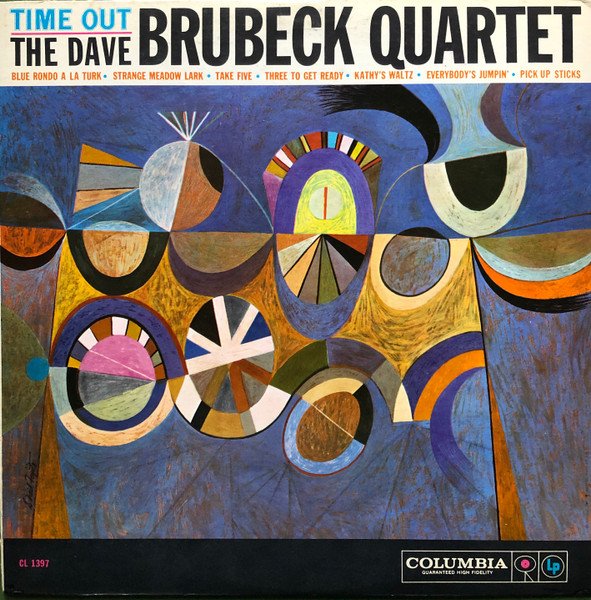
There are albums that redefine a genre quietly, and then there are albums that do it while sounding like they’re just stretching out, almost casually, into something new. Time Out, released in 1959, sits right in that rare intersection. Jazz at the end of the ’50s was in a state of elegant tension: Miles Davis had just released Kind of Blue, Ornette Coleman was about to detonate the avant-garde, and hard bop was still carrying the weight of gospel and blues into urban modernity. But Brubeck and his quartet took a different route. Inspired by a U.S. State Department tour through Europe and Eurasia, Brubeck returned fascinated by non-Western rhythms—Bulgarian folk meters, Turkish patterns, the asymmetry of music that didn’t sit comfortably in 4/4 swing. Time Out was born from that curiosity. It wasn’t rebellion in the fiery sense; it was intellectual disruption. And culturally, it landed in a moment when America was projecting soft power through jazz abroad, while domestically, audiences were ready—whether they knew it or not—for something that challenged their ears without alienating them. This was experimentation wrapped in accessibility, a rare balance.
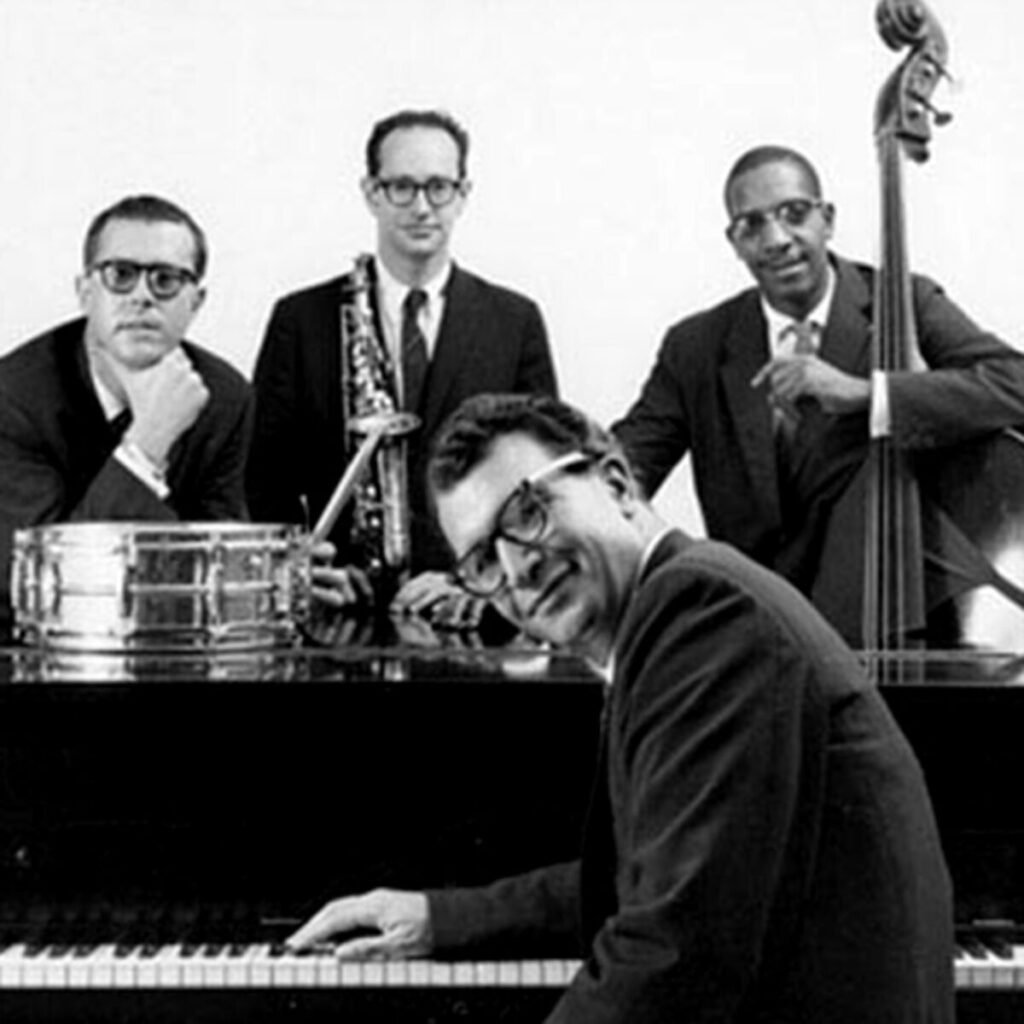
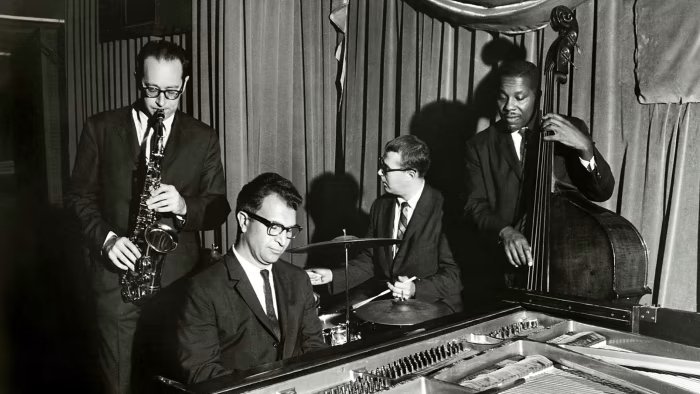
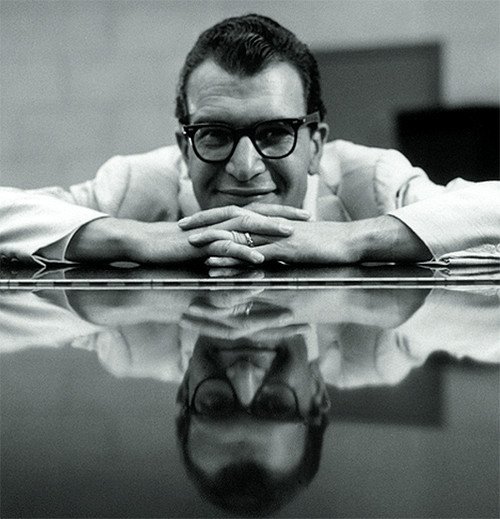
The sessions behind Time Out were deceptively straightforward, but the ideas were anything but. Recorded at Columbia’s 30th Street Studio in New York, the album was produced by Teo Macero, a name that would later become synonymous with innovation in jazz production. The quartet itself was a tightly bonded unit: Dave Brubeck on piano, Paul Desmond on alto saxophone, Eugene Wright on bass, and Joe Morello on drums. What made these sessions special was the trust within the group. Brubeck brought the conceptual framework—unusual time signatures—but it was Morello’s rhythmic precision and Desmond’s lyrical phrasing that made the experiment breathe. Desmond, in particular, became the emotional voice of the album, his tone airy and conversational, gliding over complex rhythmic terrain as if it were second nature. The recording process was less about endless takes and more about capturing feel—getting the balance right between structure and spontaneity. No outside collaborators, no orchestration—just four musicians locked into a shared vision, pushing boundaries without losing cohesion.
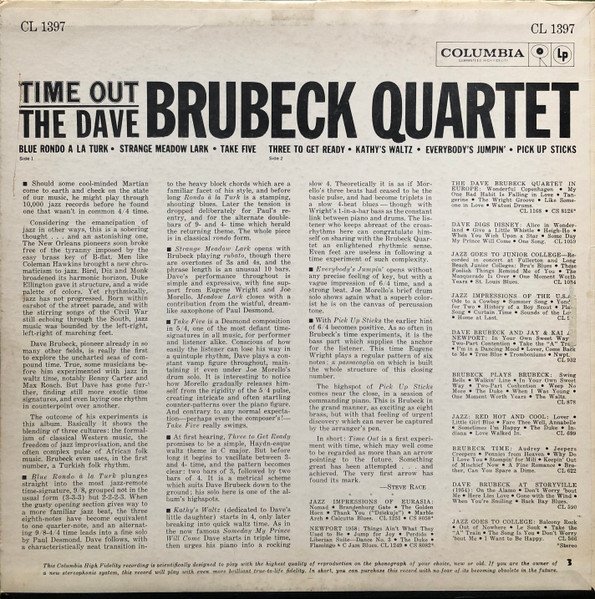
The album opens with “Blue Rondo à la Turk,” and right away, you know you’re somewhere different. Built around a 9/8 rhythm inspired by Turkish street musicians, the piece alternates between rigid rhythmic phrasing and bursts of swinging release. It’s a statement of intent: complexity doesn’t have to sound academic. Then comes “Strange Meadow Lark,” which softens the edges with a more traditional, almost pastoral introduction before slipping into a swinging groove—Brubeck reminding listeners that he hasn’t abandoned jazz’s roots, just expanded its vocabulary. But it’s “Take Five” that becomes the album’s gravitational center. Written by Desmond and anchored in a 5/4 time signature, it’s arguably the most famous jazz tune ever recorded in an odd meter. Morello’s drum pattern is hypnotic, almost architectural, while Desmond’s melody floats with effortless cool. It’s the paradox of Time Out: technically complex, but emotionally immediate.
The second half of the record deepens the conversation. “Three to Get Ready” plays with 3/4 and 4/4 shifts, creating a push-and-pull that feels both playful and slightly disorienting, like a dance that keeps changing its steps mid-motion. “Kathy’s Waltz” blends classical influence with jazz phrasing, reflecting Brubeck’s background in European composition while still swinging with American ease. Then there’s “Everybody’s Jumpin’,” which reintroduces a more straightforward groove but keeps the rhythmic curiosity alive under the surface. The closer, “Pick Up Sticks,” returns to a 6/4 pattern, ending the album with a sense of circular motion—like the experiment never really resolves, it just keeps evolving. Across these tracks, Time Out doesn’t just explore odd time signatures for novelty; it integrates them into the language of jazz, making them feel natural, even inevitable. The album became a gateway record, not just for jazz listeners but for anyone curious about how far rhythm could stretch without breaking.
Looking back, the impact of Time Out is difficult to overstate. It became one of the best-selling jazz albums of all time, proving that innovation didn’t have to sacrifice audience. It influenced generations of musicians—not just in jazz, but in progressive rock, fusion, and even modern hip-hop producers who think in loops and patterns. More importantly, it redefined what “accessible experimentation” could mean. The compositions themselves remain masterclasses in balance: intellectual but never cold, structured but never rigid. Today, Time Out still feels fresh because its core idea—question the norm, but keep the groove—remains timeless.
So why listen to Time Out now? Four reasons. First, because it rewires your sense of rhythm without demanding a music degree. Second, because the interplay between Brubeck, Desmond, Wright, and Morello is a blueprint for group chemistry. Third, because it captures a moment when jazz was both global and deeply personal. And fourth, because it reminds you that innovation doesn’t have to shout—it can swing. This is a universal record, not just for jazz heads but for anyone who believes music should move both the mind and the body.
Tracklist — Time Out (1959)
1. Blue Rondo à la Turk
2. Strange Meadow Lark
3. Take Five
4. Three to Get Ready
5. Kathy’s Waltz
6. Everybody’s Jumpin’
7. Pick Up The Sticks
If you’ve made it this far, you’re probably in the mood to discover more music like this !!!


 English
  Spanish