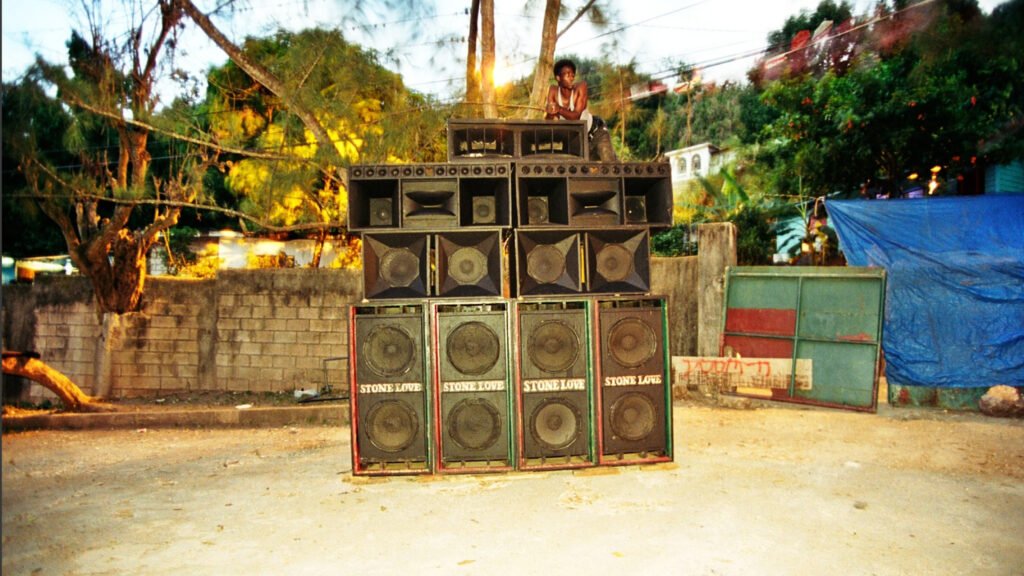
The Jamaican sound system isn’t just a way to play music—it’s a cultural engine, a street-level institution, and one of the most influential forces in modern music history. Born in the yards of Kingston in the late 1940s, the sound system emerged from necessity, ingenuity, and a deep hunger for rhythm. Jamaica, still under British colonial rule at the time, had limited access to live music for the working class. Radios were scarce, dance halls expensive.
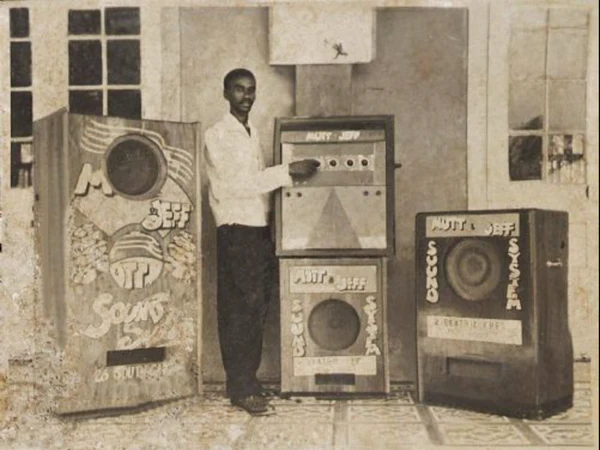
So, entrepreneurs began building their own mobile discos—massive speaker stacks powered by turntables, amplifiers, and a selector with a crate full of imported records. These early sessions were more than parties; they were communal rituals. Figures like Tom “The Great Sebastian” Wong and Duke Reid started out by playing American jazz and rhythm & blues, but what they were really doing was laying the groundwork for a new sonic language—one that would soon belong entirely to Jamaica.
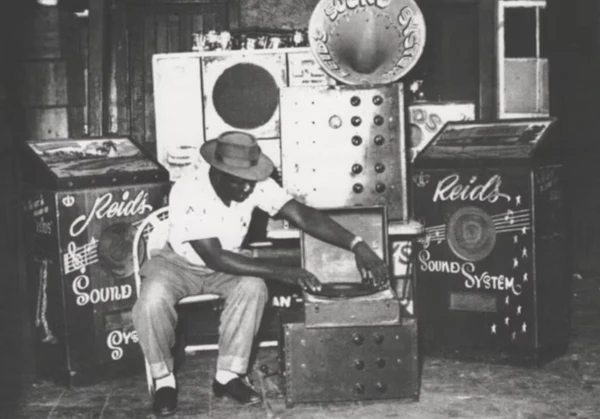
By the early 1950s, the sound system culture had become competitive, even combative. Operators like Coxsone Dodd, Duke Reid, and Prince Buster weren’t just DJs—they were tastemakers, gatekeepers, and street-level moguls. They scoured the United States for exclusive records, often scratching off labels to prevent rivals from identifying their tunes. The concept of the “dubplate”—a one-off acetate pressing—emerged as a weapon in these sonic battles. Sound clashes became a defining feature: two systems facing off, each trying to outplay the other with heavier bass, rarer cuts, and sharper selectors.
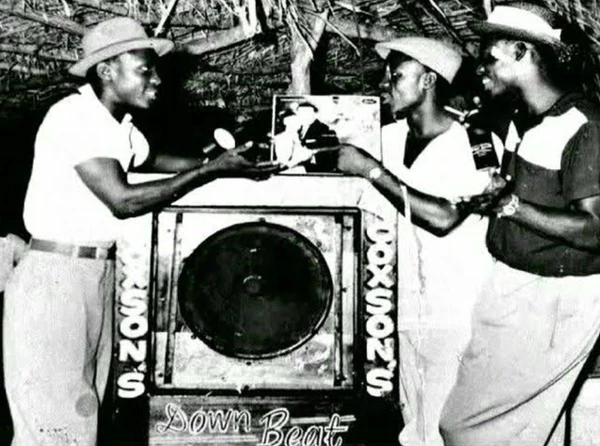
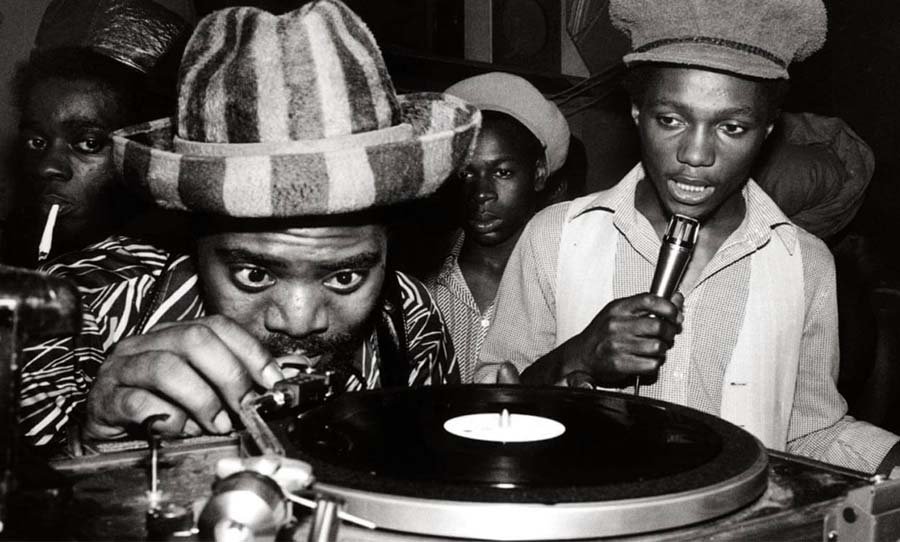
This was the birth of the selector as a cultural figure, someone who didn’t just play music but curated energy, read the crowd, and controlled the narrative of the night. The MC, or “deejay” in Jamaican terms, also began to evolve—talking over records, hyping the crowd, and eventually developing into a lyrical force of their own. This interplay between selector and deejay would later echo across hip-hop, jungle, grime, and beyond.
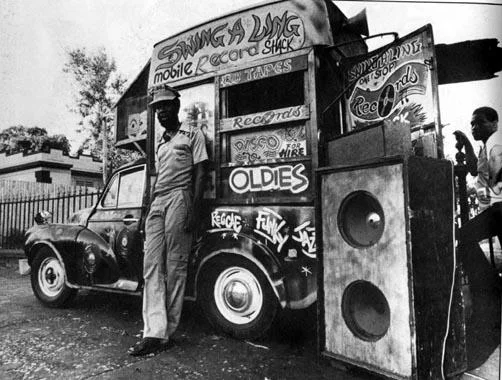
The late 1950s and 1960s marked a turning point: Jamaica began producing its own music tailored specifically for the sound system. As American R&B became harder to import, local producers stepped in. This shift gave birth to ska—fast, horn-driven, and upbeat—followed by rocksteady, which slowed the tempo and deepened the groove. Studios like Studio One and Treasure Isle became the epicenters of this new sound, directly feeding the needs of the sound systems. Songs were tested on the dancefloor first; if a tune didn’t move the crowd, it didn’t matter. The sound system became the ultimate proving ground. This era also saw the rise of legendary vocal groups and solo artists, but always in symbiosis with the sound system culture. The music wasn’t complete until it hit the speakers in a Kingston yard. The basslines grew heavier, the rhythms more hypnotic, setting the stage for what would become reggae.
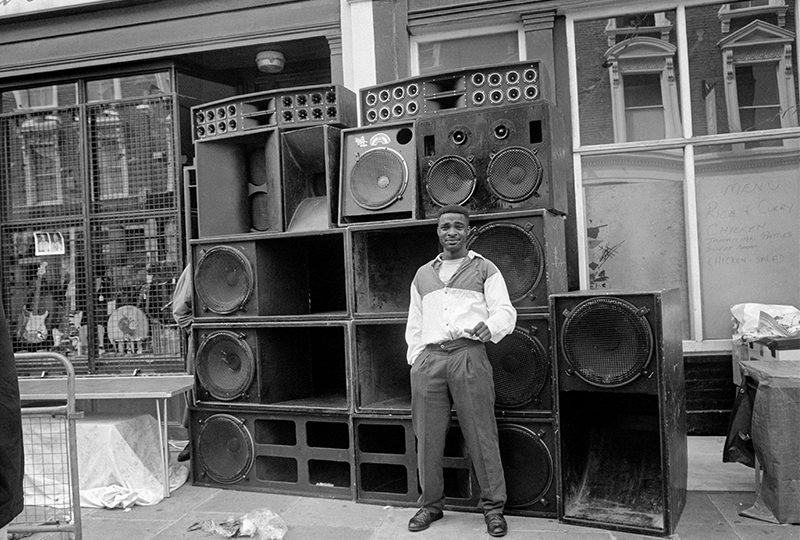
The 1970s are widely considered the golden era—the peak time—of Jamaican sound system culture. This was the age of roots reggae, where music became deeply intertwined with Rastafarian philosophy, political consciousness, and social commentary. Sound systems like King Tubby’s Home Town Hi-Fi revolutionized the very structure of music through the invention of dub. By stripping tracks down to their skeletal rhythms and manipulating them live—dropping vocals in and out, adding reverb and delay—engineers turned the mixing board into an instrument.
Dub wasn’t just a genre; it was a new way of thinking about sound. It influenced everything from electronic music to hip-hop production. Meanwhile, deejays like U-Roy and Big Youth transformed the mic into a platform for storytelling, social critique, and pure lyrical flair. The dancehall became a space where politics, spirituality, and street life collided, all mediated through towering speaker stacks and the relentless pulse of the bass.
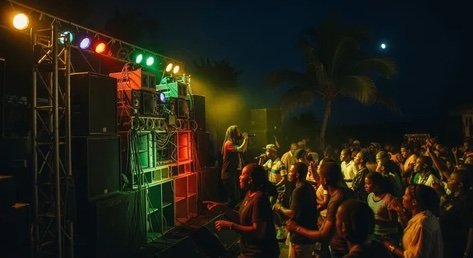
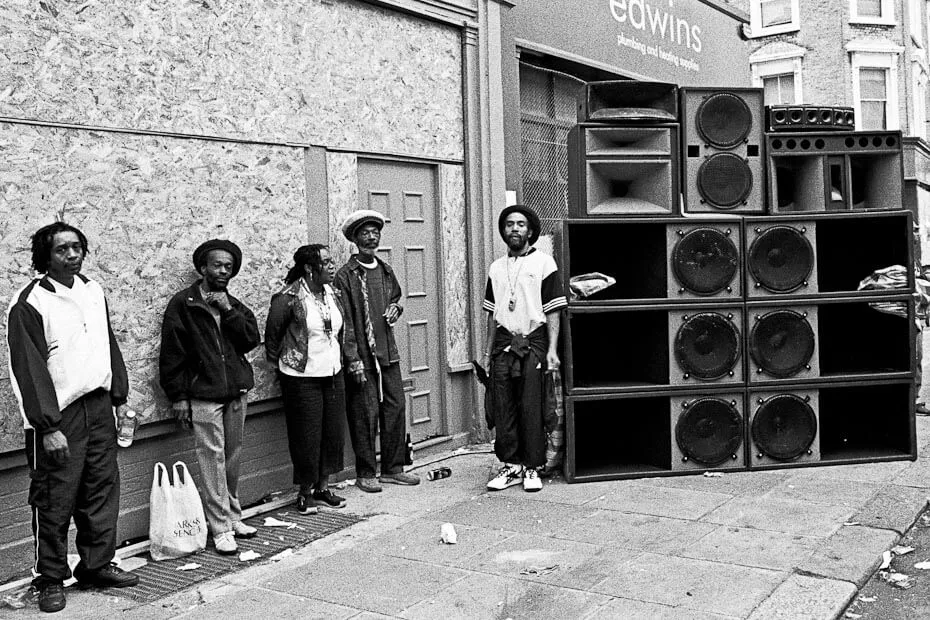
From the 1980s onward, the sound system continued to evolve, adapting to digital technology and global migration. The advent of digital riddims—most famously the “Sleng Teng” revolution—shifted production methods and aesthetics. Dancehall became faster, sharper, more electronic. Sound systems spread across the diaspora, taking root in cities like London, New York, and Toronto. In the UK, they became foundational to the development of jungle, drum & bass, and later grime.
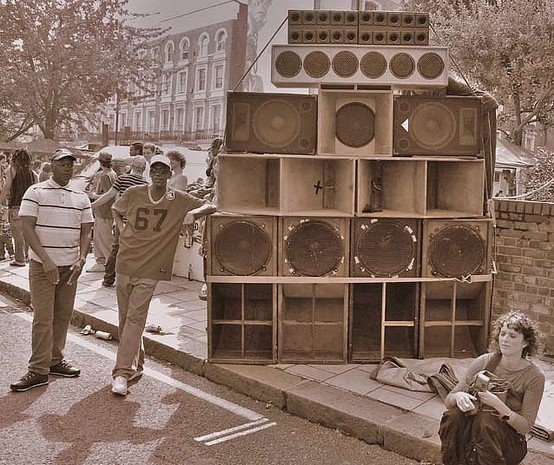
The DNA of the Jamaican sound system is embedded in these genres—the emphasis on bass, the role of the MC, the culture of the clash. Today, sound system culture is both global and local, preserved in traditional yard sessions while also evolving in festivals, clubs, and even academic discourse. Modern operators still build custom speaker stacks, still cut dubplates, still engage in clashes. What began as a workaround for limited access to music has become a blueprint for global sonic culture. The Jamaican sound system isn’t just history—it’s a living, breathing force that continues to shape how the world hears, feels, and understands music.
30 Essential Jamaican Sound System Anthems
1. “Easy Snappin’” – Theophilus Beckford (1959)
2. “Boogie in My Bones” – Laurel Aitken (1958)
3. “Oh Carolina” – The Folkes Brothers (1960)
4. “Madness” – Prince Buster (1963)
5. “Simmer Down” – The Wailers (1963)
6. “Guns of Navarone” – The Skatalites (1964)
7. “Queen Majesty” – The Techniques (1967)
8. “Take It Easy” – Hopeton Lewis (1966)
9. “Long Shot Kick De Bucket” – The Pioneers (1969)
10. “Liquidator” – Harry J Allstars (1969)
11. “Wake the Town” – U-Roy (1970)
12. “54-46 Was My Number” – Toots & The Maytals (1968 / popular in 70s sessions)
13. “Satta Massagana” – The Abyssinians (1971)
14. “Java Java Java” – Augustus Pablo (1972)
15. “King Tubby Meets Rockers Uptown” – Augustus Pablo (1976)
16. “None Shall Escape the Judgment” – Johnny Clarke (1974)
17. “Police and Thieves” – Junior Murvin (1976)
18. “War Ina Babylon” – Max Romeo (1976)
19. “Under Me Sleng Teng” – Wayne Smith (1985)
20. “Tempo” – Anthony Red Rose (1985)
21. “Bam Bam” – Sister Nancy (1982, later sound system staple)
22. “Diseases” – Michigan & Smiley (1981)
23. “Murder She Wrote” – Chaka Demus & Pliers (1992)
24. “Dem Bow” – Shabba Ranks (1990)
25. “Heads High” – Mr. Vegas (1998)
26. “Who Am I” – Beenie Man (1997)
27. “Get Busy” – Sean Paul (2002)
28. “Pon de Floor” – Major Lazer & Vybz Kartel (2009)
29. “Ramping Shop” – Vybz Kartel & Spice (2009)
30. “Toast” – Koffee (2018)
 English
  Spanish