
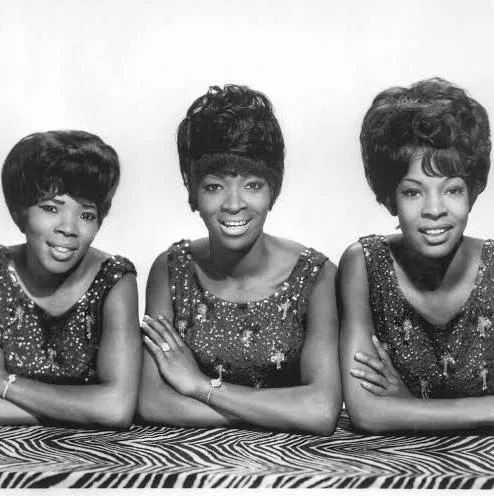
Before they became one of Motown’s most electric female groups, Martha Reeves and the Vandellas were just young Detroit women singing anywhere they could. Born in Eufaula, Alabama, but raised in Motor City, Martha Reeves grew up on gospel, her voice trained in the church pews and sharpened on neighborhood stages. She first sang with the group the Del-Phis, alongside Rosalind Ashford, Annette Beard, and Gloria Williams. The Del-Phis hustled around Detroit’s music scene, entering talent shows, cutting local demos, and soaking in the energy of the city’s doo-wop and R&B roots. When Gloria left, the trio became the Vandellas—a name that fused Detroit’s Van Dyke Street with Reeves’ idol, Della Reese. Fate stepped in when Martha, working as a secretary at Motown, was asked to fill in on a recording session. That “fill-in” turned into destiny: Berry Gordy signed the group, and soon Martha Reeves was front and center, ready to set the world on fire with her powerhouse vocals.
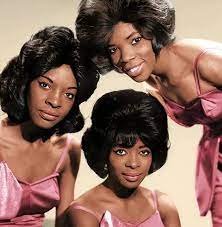
The Vandellas hit the ground running. Their first breakout, Come and Get These Memories (1963), penned by the then-rising songwriting team Holland-Dozier-Holland, set the tone. But it was Heat Wave (1963) that lit the charts and changed everything. With Martha’s urgent, gospel-charged delivery and the Vandellas’ tight harmonies, the song became a No. 1 R&B smash and a Top 5 pop hit. Suddenly, Martha Reeves wasn’t just singing—she was testifying, channeling the fire of the church into dance-floor anthems. From there, the hits flowed: Quicksand (1963), Nowhere to Run (1965), and of course Dancing in the Street (1964)—a track that didn’t just define summer but became a civil rights-era anthem, adopted as a call to gather, move, and demand visibility. The Vandellas’ style stood apart in Motown’s girl group roster. Where the Supremes exuded polish and glamour, Martha and the Vandellas brought raw energy, sweat, and street-level grit. Their songs were built for motion—propelled by the Funk Brothers’ relentless rhythms and the unmistakable edge of Martha’s voice. At their peak, they were the sound of Detroit’s working-class heartbeat turned into pop gold.
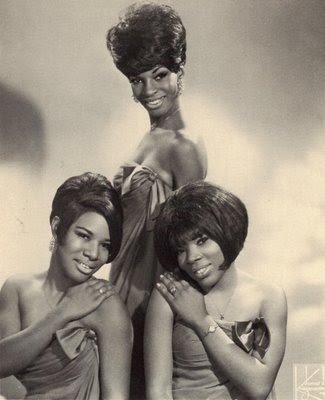
The mid-’60s were the Vandellas’ golden era. They toured with the Motown Revue, shared bills with the biggest names in soul, and racked up hits that felt like blueprints for the Motown sound. Songs like Jimmy Mack (1967) and Honey Chile (1967) showcased their ability to balance toughness with tenderness. But as the decade rolled on, changes came fast. Annette Beard left to raise a family, Betty Kelly joined, and later Sandra Tilley would round out the lineup. Meanwhile, Motown’s focus tilted heavily toward the Supremes, who had become Berry Gordy’s chosen crossover act. The Vandellas, though still charting, got less promotional push. By the early ’70s, as Motown itself transitioned west to Los Angeles, the group’s momentum waned. Their final charting single, Bless You (1971), signaled the end of an era. By 1972, the Vandellas officially disbanded after a farewell concert in Detroit, closing a chapter on a group that had helped define the sound of a city and a generation.
Looking back, it’s impossible to tell Motown’s story—or soul music’s broader journey—without Martha Reeves and the Vandellas. They were the bridge between gospel’s fire and pop’s accessibility, between the sanctified shout and the street-corner dance. Dancing in the Street remains one of the most enduring tracks of the 20th century, reinterpreted and reimagined by artists from David Bowie and Mick Jagger to contemporary R&B acts, and still carrying its dual legacy as both a party song and a protest anthem. Their sound gave Motown an edge, showing that soul could be both polished and gritty, both joyful and politically charged. And their influence lingers: you hear echoes of Martha’s fearless delivery in everyone from Tina Turner to Beyoncé. The Vandellas weren’t just another Motown girl group—they were the spark plug that kept the engine running hot, reminding us that soul music was about movement, freedom, and the unstoppable power of a voice raised from the heart of the people.
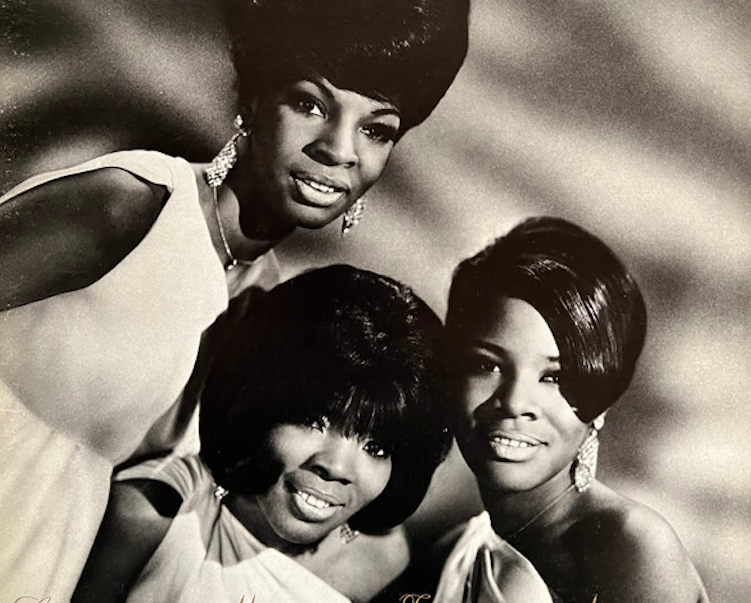
Martha Reeves & The Vandellas Discography
Studio Albums
1. Come and Get These Memories (1963)
2. Heat Wave (1963)
3. Dance Party (1965)
4. Watchout! (1966)
5. Ridin’ High (1968)
6. Sugar ‘n Spice (1969)
7. Natural Resources (1970)
8. Black Magic (1972)
Key Singles
• Come and Get These Memories (1963, US #29 Pop, #6 R&B)
• Heat Wave (1963, US #4 Pop, #1 R&B)
• Quicksand (1963, US #8 Pop, #1 R&B)
• Live Wire (1964)
• In My Lonely Room (1964)
• Dancing in the Street (1964, US #2 Pop, #2 R&B)
• Wild One (1964)
• Nowhere to Run (1965, US #8 Pop, #5 R&B)
• You’ve Been in Love Too Long (1965)
• My Baby Loves Me (1966, US #22 Pop, #3 R&B)
• I’m Ready for Love (1966, US #9 Pop, #2 R&B)
• Jimmy Mack (1967, US #10 Pop, #1 R&B)
• Love Bug Leave My Heart Alone (1967)
• Honey Chile (1967, US #11 Pop, #5 R&B)
• I Can’t Dance to That Music You’re Playin’ (1968)
• Forget Me Not (1968)
• I Should Be Proud (1970)
• Bless You (1971, US #53 Pop, #29 R&B)
 English
  Spanish