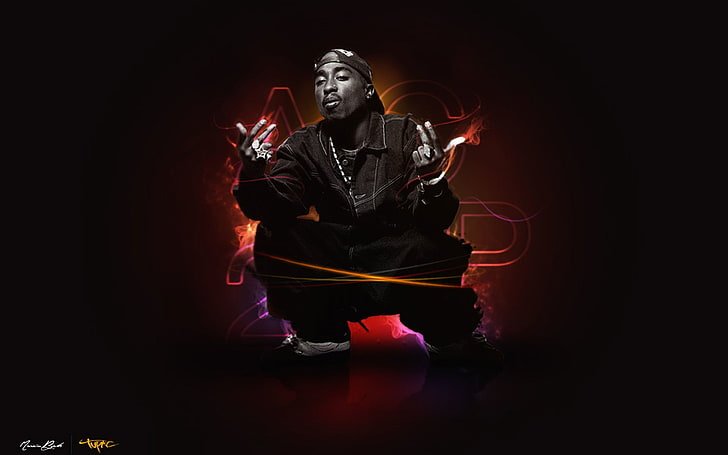
Before the mythology, before the headlines, there was Tupac Shakur—a kid shaped by movement, politics, and contradiction. Born in Harlem in 1971 and raised between New York and the West Coast, Pac didn’t just inherit struggle—he inherited ideology. His mother, Afeni Shakur, was a member of the Black Panther Party, and that revolutionary DNA runs through every bar he ever spit. You hear it early on in 2Pacalypse Now, where the anger isn’t performative—it’s lived. But Pac wasn’t just rage. He studied acting at the Baltimore School for the Arts, absorbing Shakespeare as much as street reality. That duality—poet and soldier—became his signature.
Musically, his early influences weren’t limited to hip hop. You hear traces of Public Enemy’s militancy, Ice Cube’s narrative grit, and even soul textures rooted in artists like Marvin Gaye. His early work with Digital Underground gave him industry exposure, but Pac was never meant to stay in the background. Fast forward to the early ‘90s New York scene—that’s where he crosses paths with a young, hungry The Notorious B.I.G.. At that point, Biggie was still climbing, and Pac was already establishing himself. There was mutual respect—Pac even mentored him in those early days. No tension, no rivalry. Just two future giants sharing space before the world decided to split them apart.
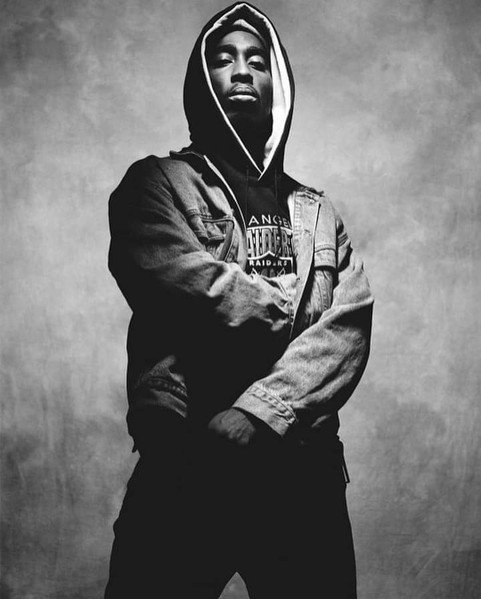
Pac’s evolution between 1991 and 1994 is one of the fastest and most complex arcs hip hop has ever seen. With Strictly 4 My N.I.G.G.A.Z…, he sharpened his voice—balancing militant commentary with street anthems. Tracks like Keep Ya Head Up showed a vulnerability and social awareness that few rappers dared to explore at the time, especially when addressing Black women directly. Then there’s I Get Around, which proved he could switch lanes effortlessly—serious one moment, charismatic the next.
What made Pac different wasn’t just content—it was delivery. He didn’t rap like he was performing; he rapped like he was testifying. Every verse felt urgent, almost like he didn’t have time to waste. And in a way, he didn’t. Outside music, his acting career (Juice, Poetic Justice) expanded his cultural footprint, reinforcing his image as both artist and storyteller.
But 1994 becomes the pivot point. The shooting at Quad Studios in New York—just before he was set to record—changes everything. Pac believed it was a setup. Whether proven or not, in his mind, betrayal came from within the circle—and that’s where the fracture with Biggie begins. Trust evaporates. And once that trust is gone, the music starts carrying something heavier: paranoia, anger, and a sense of inevitability.
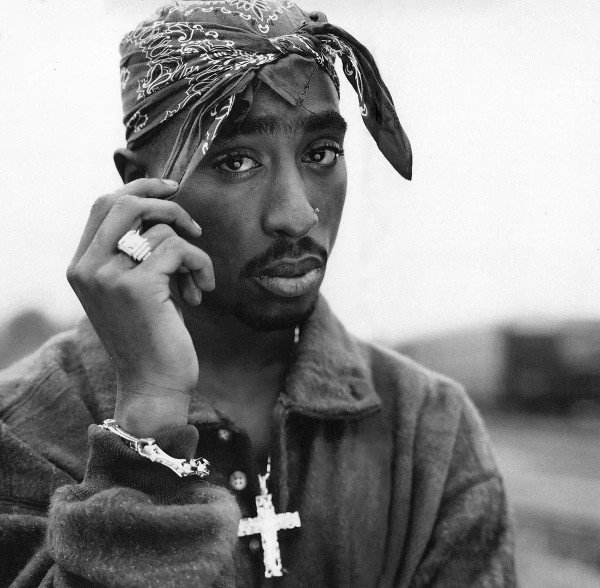
If you want to understand peak 2Pac, you start with Me Against the World. Released while he was incarcerated, it debuted at number one—a first for a rapper in prison. That alone tells you everything about his connection with the streets. Tracks like Dear Mama cut through generations—raw, emotional, and deeply personal. This wasn’t just hip hop; it was cultural documentation.
Then comes the next phase: Death Row Records. After being bailed out by Suge Knight, Pac relocates fully to the West Coast and drops All Eyez on Me. This is where he becomes larger than life. A double album, unapologetically excessive, packed with hits: California Love, Ambitionz Az a Ridah, How Do U Want It. The sound is polished, aggressive, West Coast dominant—but Pac’s voice remains the focal point.
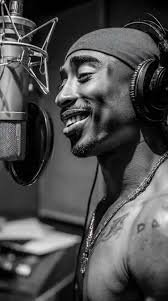
Recording-wise, he was relentless. Stories of him recording multiple tracks in a single night aren’t exaggerated. He approached the studio like a battleground—no wasted time, no second-guessing. His uniqueness lies in that fusion: poetic introspection colliding with street realism, all delivered with unmatched intensity. By 1996, Pac isn’t just a rapper—he’s the center of hip hop gravity.
The East Coast–West Coast hip hop rivalry didn’t start with Pac—but it reached its most dangerous form through him. Media, labels, and egos all played their part, but Pac became its loudest voice. And once Hit ’Em Up dropped, there was no going back. That track isn’t just a diss—it’s a declaration of war, directly targeting Biggie and Bad Boy Records.
From that point, everything intensifies. Interviews become confrontations. Lyrics become threats. The industry splits into camps. Pac’s alignment with Death Row and Suge Knight places him at the frontline of the West Coast movement, while Biggie stands as the East Coast’s heavyweight.
But beneath the aggression, there’s something else—pressure. Pac is producing at an insane rate, living fast, moving constantly, surrounded by tension. The line between music and reality is gone. By September 1996, after attending a Mike Tyson fight in Las Vegas, Pac is shot in a drive-by. Six days later, he dies. Just 25 years old. And hip hop loses one of its most powerful voices at the peak of its evolution.
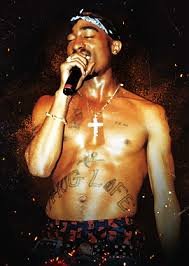
2Pac didn’t just influence hip hop—he expanded its emotional and thematic range. Before him, vulnerability in rap was rare, almost taboo. After him, it became essential. He proved that you could talk about systemic injustice, love, trauma, and survival—all within the same album—and still dominate commercially. His work laid the blueprint for artists who balance consciousness with mainstream appeal.
Technically, he wasn’t the most complex lyricist—but that was never the point. His strength was communication. He made people feel every word. And in doing so, he turned hip hop into a vehicle for empathy, not just expression. Today, you hear his DNA in artists across generations—from political rappers to melodic storytellers.
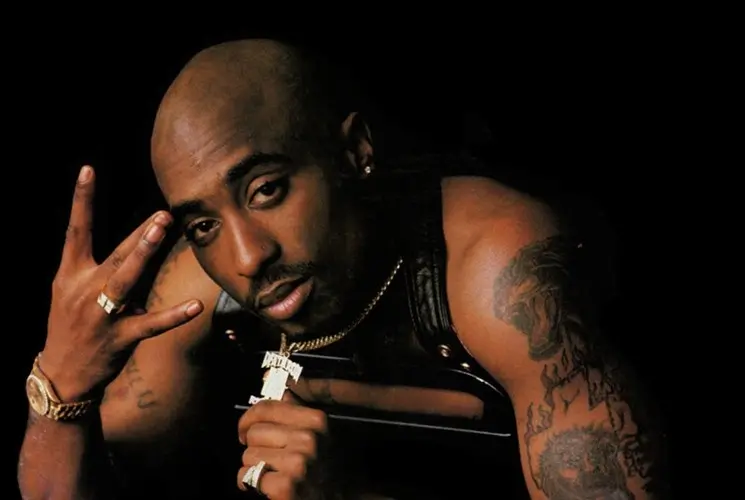
But here’s the deeper layer—and this is where the story connects. Strip away the headlines, the rivalry, the media narratives—and what you have are two artists, Pac and Biggie, pushing each other—directly or indirectly—towards greatness. Their tension fueled some of the most impactful music ever created. And while history often frames them as opposites, musically they were reflections: both rooted in storytelling, both obsessed with authenticity, both shaping hip hop into something bigger than themselves.
In the next chapter, we flip the lens. Because to understand Pac fully, you need to understand The Notorious B.I.G.—not as an enemy, but as the other half of a story that changed hip hop forever.
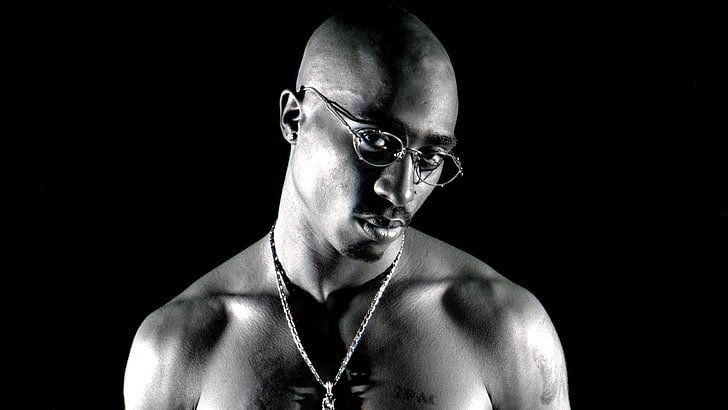
2Pac — Full Discography (Chronological Order)
• 2Pacalypse Now (1991)
• Strictly 4 My N.I.G.G.A.Z… (1993)
• Me Against the World (1995)
• All Eyez on Me (1996)
• The Don Killuminati: The 7 Day Theory (released under Makaveli)
 English
  Spanish