
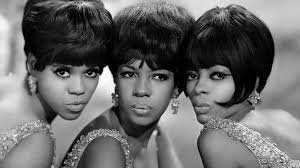
In early-sixties Detroit, when the city pulsed with the rhythm of the auto plants and the heartbeat of soul, a group of teenage girls dreamed of something bigger than their neighborhood streets. Florence Ballard, Mary Wilson, Diana Ross, and later Barbara Martin came together as The Primettes, a female counterpart to the Primes—who themselves would soon evolve into The Temptations. Raised in the Brewster-Douglass Housing Projects, the girls lived and breathed gospel, doo-wop, and the infectious energy of rhythm & blues. At first, Motown wasn’t sold on them. Berry Gordy even told the girls to finish high school before they thought about a record deal. But their persistence was unshakable. They sang anywhere they could, cut demos, and lent their voices to backing vocals for other Motown acts. By 1961, their determination paid off: Motown signed them and gave them a new name—The Supremes. With that, a chapter in music history opened, one that would forever change the sound of pop and soul.
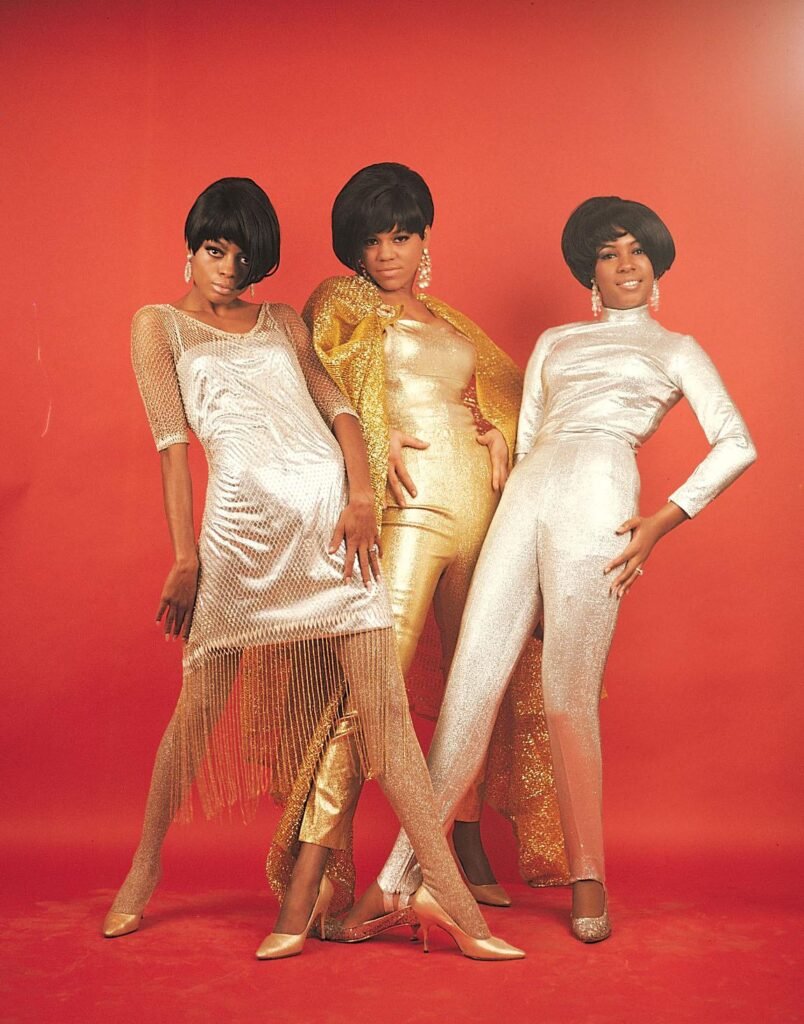
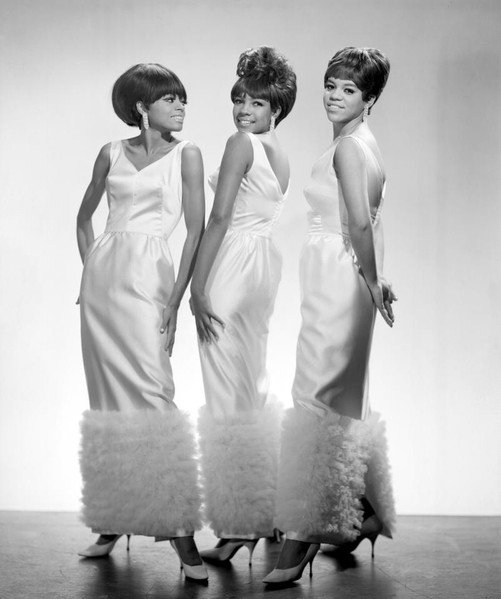
The success didn’t come overnight. Their first singles barely made a dent, earning them the Motown nickname “the no-hit Supremes.” Everything changed in 1964 with Where Did Our Love Go, penned by Holland-Dozier-Holland. The single shot to number one, the start of an unstoppable streak. What followed was a run of classics that reshaped American pop: Baby Love, Come See About Me, Stop! In the Name of Love, Back in My Arms Again. Between 1964 and 1967, The Supremes scored ten number-one hits, making them the most successful girl group in U.S. history. Diana Ross’s soft, intimate voice paired with Mary and Florence’s rock-solid harmonies created something sophisticated, stylish, irresistible. Unlike the raw grit of the Vandellas or the pioneering edge of the Marvelettes, the Supremes embodied polish, glamour, and class. Their gowns sparkled, their choreography was sharp, their aura was pure magnetism. And in the middle of the civil rights era, seeing three Black women command national television screens wasn’t just entertainment—it was history.
With the spotlight came tension. Berry Gordy increasingly pushed Diana Ross to the front, sidelining Florence Ballard in the process. By 1967, Florence was forced out, replaced by Cindy Birdsong, and the group was rebranded as Diana Ross & The Supremes. The hits kept coming—Reflections, Love Child, Someday We’ll Be Together—but the dynamic had shifted. Diana Ross’s solo career loomed on the horizon, and in 1970 she officially left the group. Jean Terrell stepped in as lead, guiding the Supremes into the seventies with songs like Up the Ladder to the Roof and Stoned Love. For a time, they maintained their spark, but the unstoppable magic of the mid-sixties had faded. By 1977, after fifteen years of chart-topping highs and industry-shaping influence, the Supremes said their final goodbye. Their story had run the arc of legend: meteoric rise, reinvention, and an inevitable curtain call.
The Supremes weren’t just another Motown act—they were Motown’s crown jewel, the face of Black female artistry polished for global stardom. Their elegance, poise, and undeniable catalog made them more than hitmakers; they became cultural trailblazers. They broke racial barriers on mainstream television, toured the world as soul ambassadors, and carved out a blueprint for every girl group that followed—En Vogue, TLC, Destiny’s Child, and countless others. Musically, they embodied the Motown formula at its most refined: unforgettable hooks, shimmering arrangements, and vocals that managed to sound intimate and universal at the same time. Beyond the charts, they symbolized possibility: three women from Detroit projects becoming international icons at a time when that kind of visibility for Black women was nothing short of revolutionary. To talk about the history of Motown without the Supremes is impossible. They didn’t just climb the charts—they redefined what pop stardom could look and sound like.
With the Supremes, the trilogy of Motown’s girl groups comes full circle: the Marvelettes as pioneers, the Vandellas as the fiery voice of the streets, and the Supremes as the polished face of Motown’s worldwide revolution. Three distinct legacies, one undeniable truth—the voices of Black women reshaped popular music forever.
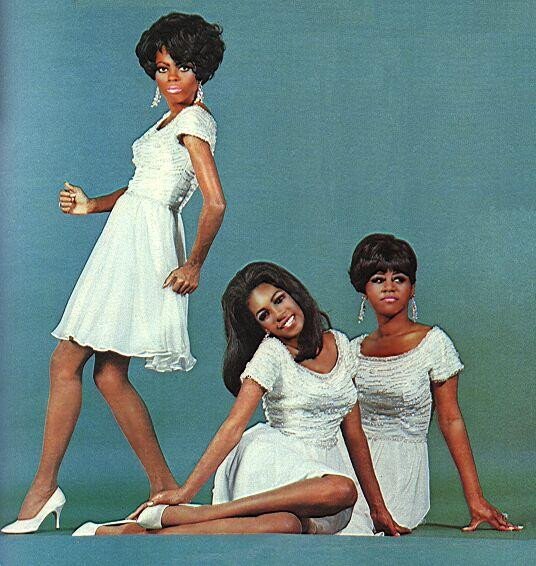
The Supremes Discography
Studio Albums (main releases)
1. Meet The Supremes (1962)
2. Where Did Our Love Go (1964)
3. A Bit of Liverpool (1964)
4. The Supremes Sing Country, Western & Pop (1965)
5. More Hits by The Supremes (1965)
6. Merry Christmas (1965)
7. I Hear a Symphony (1966)
8. The Supremes A’ Go-Go (1966)
9. The Supremes Sing Holland-Dozier-Holland (1967)
10. Reflections (1968)
11. Love Child (1968)
12. Let the Sunshine In (1969)
13. Cream of the Crop (1969)
14. Right On (1970)
15. New Ways But Love Stays (1970)
16. Touch (1971)
17. Floy Joy (1972)
18. The Supremes Produced and Arranged by Jimmy Webb (1972)
19. The Supremes (1975)
20. High Energy (1976)
21. Mary, Scherrie & Susaye (1976)
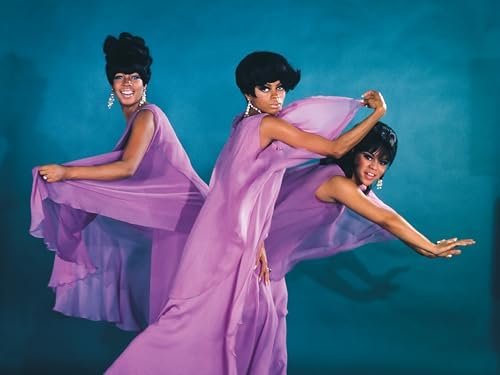
Essential Singles
• I Want a Guy (1961)
• Buttered Popcorn (1961)
• When the Lovelight Starts Shining Through His Eyes (1963)
• Where Did Our Love Go (1964, #1)
• Baby Love (1964, #1)
• Come See About Me (1964, #1)
• Stop! In the Name of Love (1965, #1)
• Back in My Arms Again (1965, #1)
• Nothing but Heartaches (1965)
• I Hear a Symphony (1965, #1)
• My World Is Empty Without You (1966)
• You Can’t Hurry Love (1966, #1)
• You Keep Me Hangin’ On (1966, #1)
• Love Is Here and Now You’re Gone (1967, #1)
• The Happening (1967, #1)
• Reflections (1967)
• Love Child (1968, #1)
• I’m Livin’ in Shame (1969)
• Someday We’ll Be Together (1969, #1)
• Up the Ladder to the Roof (1970)
• Stoned Love (1970)
• Nathan Jones (1971)
 English
  Spanish