
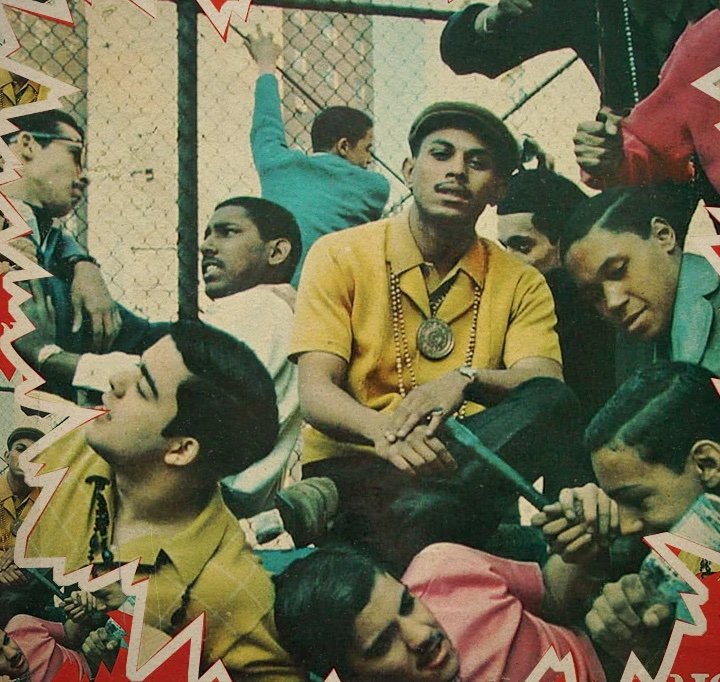
Some music is made to entertain. Other music is born because people needed a way to breathe. Latin soul belongs to the second category.
Most times when people talk about soul music, the same places and names come up: Detroit, Memphis, Chicago, Philadelphia. Motown. Stax. Curtis. Marvin. Aretha. And rightfully so — all of that is sacred ground. But somewhere between those grooves lives another story. Less documented. More hybrid. More street-level. A story where Caribbean horns collided with deep funk basslines, where congas sat naturally beside wah-wah guitars, and where young Latino communities in New York, California, Puerto Rico and beyond found themselves reflected in Black American music. Latin soul was never just a clean-cut subgenre or a passing trend. It was a cultural conversation between communities sharing neighborhoods, struggle, celebration, survival and expression.
And maybe that’s why it still feels so human today.
Real People, Real Streets
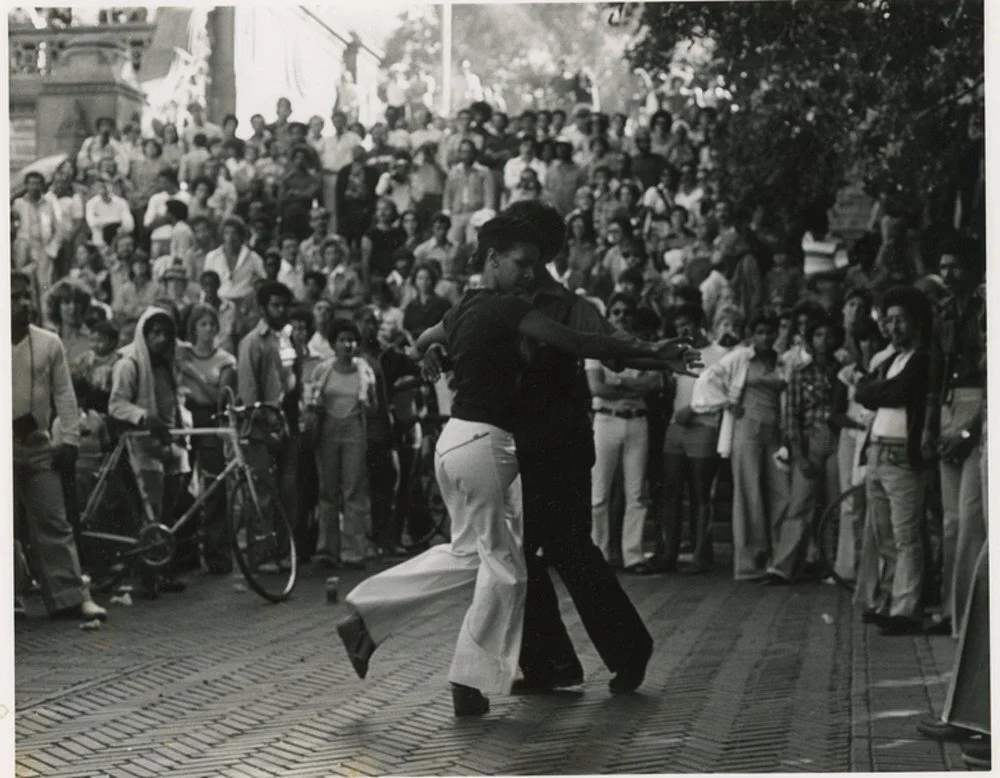
Because when you listen to those records, it never sounds like industry product. It sounds like real people searching for identity in the middle of the urban noise of the late ‘60s and ‘70s. Black and Latino communities sharing corners, clubs, radio stations and record shops. These were the years when boogaloo was exploding across New York, when Latin jazz had already spent years building bridges, and when soul music naturally started bleeding into Latin bands without anybody needing to overthink it. The music just happened.
That’s where artists like Joe Bataan enter the picture — one of the true emotional architects of this whole thing. A Filipino-African American kid raised in Spanish Harlem who understood early on that musical borders were pointless. His records blended soul, doo-wop, Latin grooves and New York street energy in a way that still feels effortless today. Listening to Joe Bataan now feels like walking into a Bronx apartment party in 1972 where somebody’s cooking in the kitchen, somebody’s dancing in the hallway, and somebody else is arguing politics while the turntable keeps spinning.
Between Two Worlds
What makes Latin soul so fascinating is that it never asked for permission. And maybe that’s exactly why it never fully fit into the official narratives of the music industry. It was too Black for certain Latin markets, and too Latin for parts of the American soul establishment. So it ended up floating in this beautiful in-between space that, today, feels more valuable than ever. Small labels. Forgotten pressings. Incredible musicians who never got major campaigns behind them. Records that survived because DJs, collectors and deep diggers refused to let them disappear. There’s something beautiful about that. Because so much of this music stayed alive outside the canon, passed hand to hand like sacred underground knowledge.
In Latino neighborhoods across New York, Los Angeles and Chicago, these sounds were part of everyday life. The lines between salsa dura, funk, soul and jazz were way blurrier than the industry later tried to organize them into. Meanwhile, artists like Ray Barretto, Eddie Palmieri and countless lesser-known groups started leaning into heavier grooves, electric arrangements and a clear soul-funk influence coming straight from Black America.
The greatest scenes are born when cultures mix organically.
And once you dig a little deeper, you realize this was never only dance music. There was cultural pride inside those records. Identity. Young Latino communities trying to define themselves inside cities that often made them feel invisible. Latin soul tells the story of children of immigrants trying to find a voice between two worlds — too American for some people, too Latino for others. That emotional tension became part of the sound itself. Maybe that’s why so many of these records feel bittersweet even when they make you move. There’s joy in them, absolutely, but there’s also resistance. A lot of that same spirit later carried directly into hip hop, where Black and Latino communities once again shared creative and urban space. In fact, when you hear certain Latin breaks from the ‘70s, you immediately understand why so many DJs and producers became obsessed with those records decades later. The groove was undeniable. No gimmicks. Just basslines, percussion, sweat and soul.
An Unfinished Conversation
Maybe the most beautiful thing about Latin soul is that it still feels unfinished — like an ongoing conversation. It doesn’t fully belong to nostalgia because new generations of musicians, beatmakers, DJs and collectors keep rediscovering it and reshaping it. There’s something deeply modern about that cultural blend, about that borderless approach to music-making. In a world increasingly divided by algorithms and hyper-specific labels, going back to those records reminds us of something essential: the greatest scenes are born when cultures mix organically. When music becomes a meeting point instead of a wall. Maybe that’s why Latin soul still hits so deeply when people truly discover it. Because underneath the grooves, horns and percussion, what those records really carry is humanity. And humanity never goes out of style.
At the end of the day, most of these albums won’t show up in mainstream documentaries or “greatest records ever made” lists. They usually live somewhere else — inside small DJ sets, dusty record shops, late-night listening sessions and long conversations between people who still listen to music with their hearts wide open. And honestly, maybe that’s exactly where they belong. Because Latin soul never needed the spotlight to leave a mark. Its power was always somewhere deeper: connecting communities, breaking invisible barriers, and reminding us that Black and Latino music have been speaking to each other for decades — even when the rest of the world wasn’t paying attention.
10 Essential Latin Soul Artists That Never Got the Recognition They Deserved
This selection is built entirely around the spirit of Keep Da Beat: artists and records that helped shape the DNA of Latin soul from the margins, far away from the polished narratives of the mainstream music industry. This isn’t meant to be a “definitive list.” It’s an open door into a much deeper conversation.
1. Joe Bataan: Probably the greatest human bridge between soul, boogaloo and New York street culture. Nothing about his sound ever felt forced. Everything carried neighborhood energy, identity and natural groove. Essential listening: “Ordinary Guy”, “Subway Joe”, “Latin Strut”
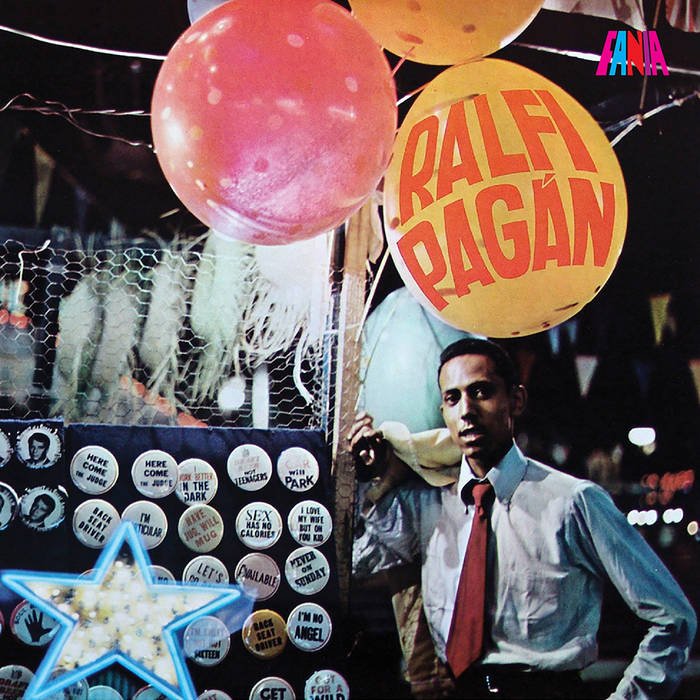
2. Ralfi Pagan: One of the most underrated vocalists of the entire movement. Romantic Latin soul filled with vulnerability, urban melancholy and real emotion. Essential listening: Make It With You”, “To Say I Love You”, “I Never Thought You’d Leave Me”
3. Bobby Marin: Better known among DJs and deep collectors than mainstream audiences. Producer, musician and quiet architect of Latin grooves with unmistakable soul sensitivity. Essential listening: “Together People”, “Funky Soul Brother”
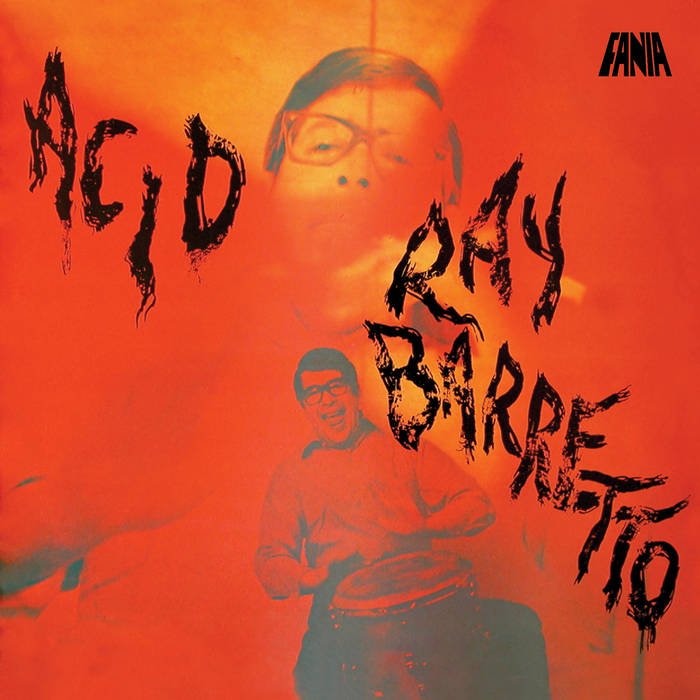
4. Ray Barretto: Most people know him through Latin jazz, but his soul and funk-influenced period is an absolute goldmine. Heavy percussion, deep grooves and music way ahead of its time. Essential listening: “Pastime Paradise”, “Right On”
5. The Latin Blues Band: A perfect example of that raw blend of street soul, funk and ‘70s Latin urban energy. Essential listening: “I’m Satisfied” “Take A Trip”
6. Harlem River Drive: An incredibly forward-thinking project. Jazz, soul, funk and political consciousness all moving together in the same current. Essential listening: “Idle Hands”, “Seeds of Life”
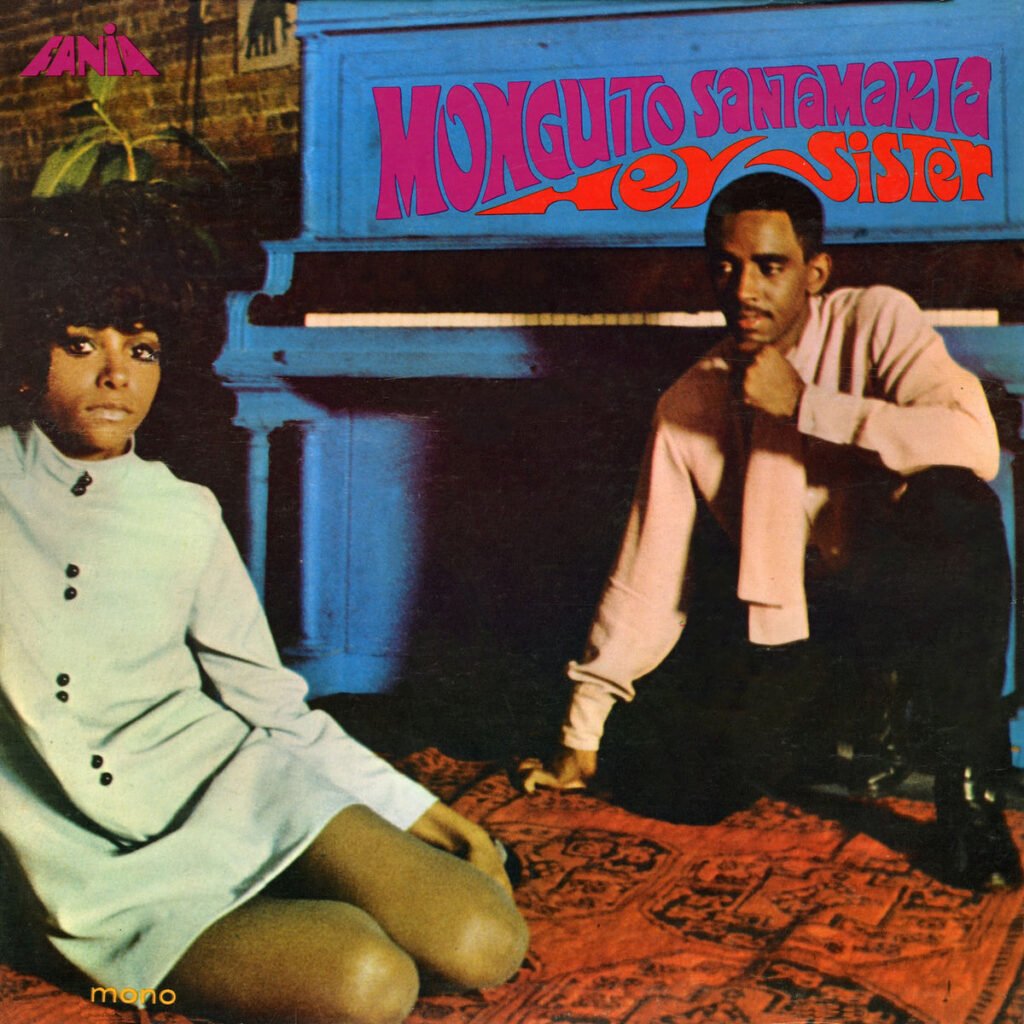
7. Monguito Santamaria: Less celebrated than bigger names, but absolutely essential for understanding the crossover between boogaloo, soul and Afro-Cuban rhythms. Essential listening: “Cry Me A River”, “Watermelon Man”
8. Carlos Bess: A hidden gem for serious collectors. Melancholic Latin soul filled with warmth and emotional depth. Essential listening: “Home Is Where The Heart Is”
9. Rene & Rene: Elegant Chicano soul connected deeply to lowrider culture and the emotional sound of Latino communities across the American Southwest. Essential listening: “Angelito”, “Lo Mucho Que Te Quiero”
10. Little Ray: One of the most important early Chicano soul voices. Sweet vocals, tenderness and pure feeling. Essential listening: “You’re Gonna Miss Me”
10 Latin Soul Albums Every Collector Should Pay Attention To
1. Saint Latin’s Day Massacre — Joe Bataan:. One of the foundational Latin soul albums.
2. Ralfi Pagan — Ralfi Pagan. Sophisticated, emotional and deeply human Latin soul.
3. Harlem River Drive — Harlem River Drive. A hybrid masterpiece blending jazz-funk, soul and urban political consciousness.
4. Acid — Ray Barretto: Latin psychedelia, funk and explosive percussion.
5. Latin Blues Band — The Latin Blues Band. Pure New York street energy pressed into wax.
6. Salsoul — Joe Bataan: One of the records that helped define the “salsoul” sound.
7. Justicia — Eddie Palmieri. Latin soul infused with political awareness and experimental jazz.
8. Hey Sister — Monguito Santamaria. Boogaloo and Afro-Latin soul blended beautifully together.
9. Power-Fuerza — The Ghetto Brothers. Latino street soul straight from the deep Bronx.
10. Gypsy Woman — Joe Bataan. More introspective, nocturnal and soulful than many people realise.
If you’ve made it this far, you’re probably in the mood to discover more music like this !!!
 English
  Spanish