
Every so often in music history, two seemingly different worlds collide and create something far greater than the sum of their parts. The relationship between jazz and hip hop is one of those stories. Today, hearing a dusty saxophone loop over hard-hitting drums feels completely natural. But there was a time when that combination was anything but obvious. In the early 1990s, hip hop was growing at an astonishing pace. It had moved beyond block parties and local scenes and was becoming a global cultural force. Yet it was also reaching a crossroads. As record labels pushed for more commercial sounds, many artists were searching for ways to keep their music creative, intelligent and rooted in authenticity. That’s where jazz entered the picture—not as a fashionable accessory, but as a creative lifeline.
To understand why the connection worked so well, you have to look at where both genres came from. Jazz and hip hop were born from the African American experience. Both emerged as powerful forms of storytelling, self-expression and innovation. Long before rap existed, jazz musicians were already rewriting the rules of music. Artists such as John Coltrane, Thelonious Monk and Charlie Parker pushed artistic boundaries through improvisation, experimentation and individuality.
When hip hop producers started digging through crates in record shops, flea markets and second-hand stores, they discovered an endless treasure chest inside jazz records. There were deep basslines, loose drum breaks, rich harmonies and moods that simply couldn’t be found anywhere else. Those records became the raw material for a new generation of artists who understood that sometimes the future is built from forgotten sounds of the past.
One of the most important things jazz gave hip hop was artistic credibility at a crucial moment. During the 1980s, plenty of critics still dismissed rap as a passing trend. The growing use of jazz samples helped challenge that perception. When groups like A Tribe Called Quest began building tracks around fragments of jazz recordings, they created a bridge between generations of listeners. Older music fans could hear familiar sounds within a completely new context, while younger audiences were introduced to musicians they might never have discovered otherwise. It became a cultural conversation rather than a simple borrowing of sounds. Hip hop wasn’t taking from jazz—it was reintroducing it to a new audience. Suddenly, a teenager buying a rap record could find themselves tracing samples back to a jazz album recorded thirty years earlier. That kind of musical cross-pollination is rare, and it changed both worlds.
The influence went far beyond sampling. Jazz also shaped the way many hip hop artists thought about music itself. Improvisation, one of jazz’s defining characteristics, found its equivalent in freestyle rap. The search for a unique voice mirrored the journey of every great jazz soloist. Producers such as DJ Premier, Pete Rock and Q-Tip started crafting records where atmosphere, texture and musicality carried as much weight as the lyrics.
What eventually became known as “jazz rap” was really something bigger than a subgenre. Hip hop absorbed the mindset of jazz: respect for tradition, a willingness to experiment and the confidence to break rules when necessary. At a time when parts of the music industry were chasing formulas, these artists embraced complexity and creativity. Jazz gave hip hop room to grow without sacrificing its soul.
Looking back now, it’s hard to imagine what hip hop would sound like without that relationship. The influence of those early 90s records can still be heard today—in neo-soul, alternative hip hop, underground scenes and even mainstream releases. Artists such as Kendrick Lamar would later revisit and expand that conversation in remarkable ways. What’s fascinating is that it all started with producers searching through stacks of old vinyl, looking for sounds that everyone else had overlooked.
There’s a lesson in that. Innovation rarely comes from nowhere. More often, it comes from listening carefully to what came before. Jazz didn’t save hip hop simply because it provided great samples. It saved hip hop because it reminded the culture that growth and originality come from curiosity, knowledge and a willingness to keep exploring. The greatest jazz records and the greatest hip hop records share that same spirit: they always leave you feeling that there’s still more to discover.
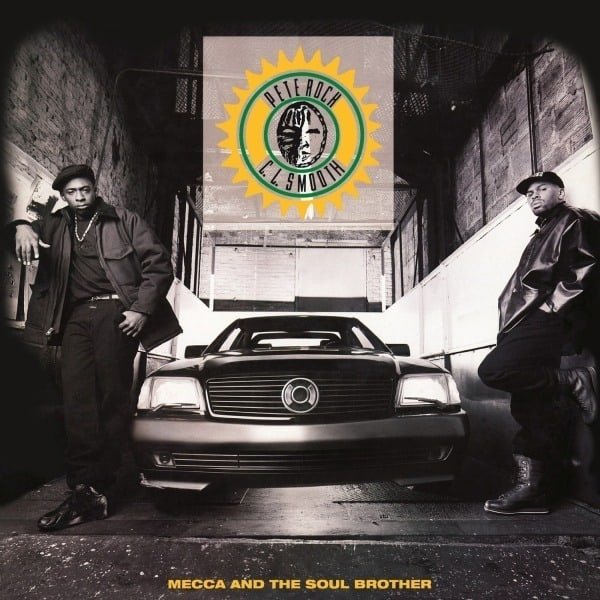
10 Albums That Showcase Jazz’s Influence on Hip Hop
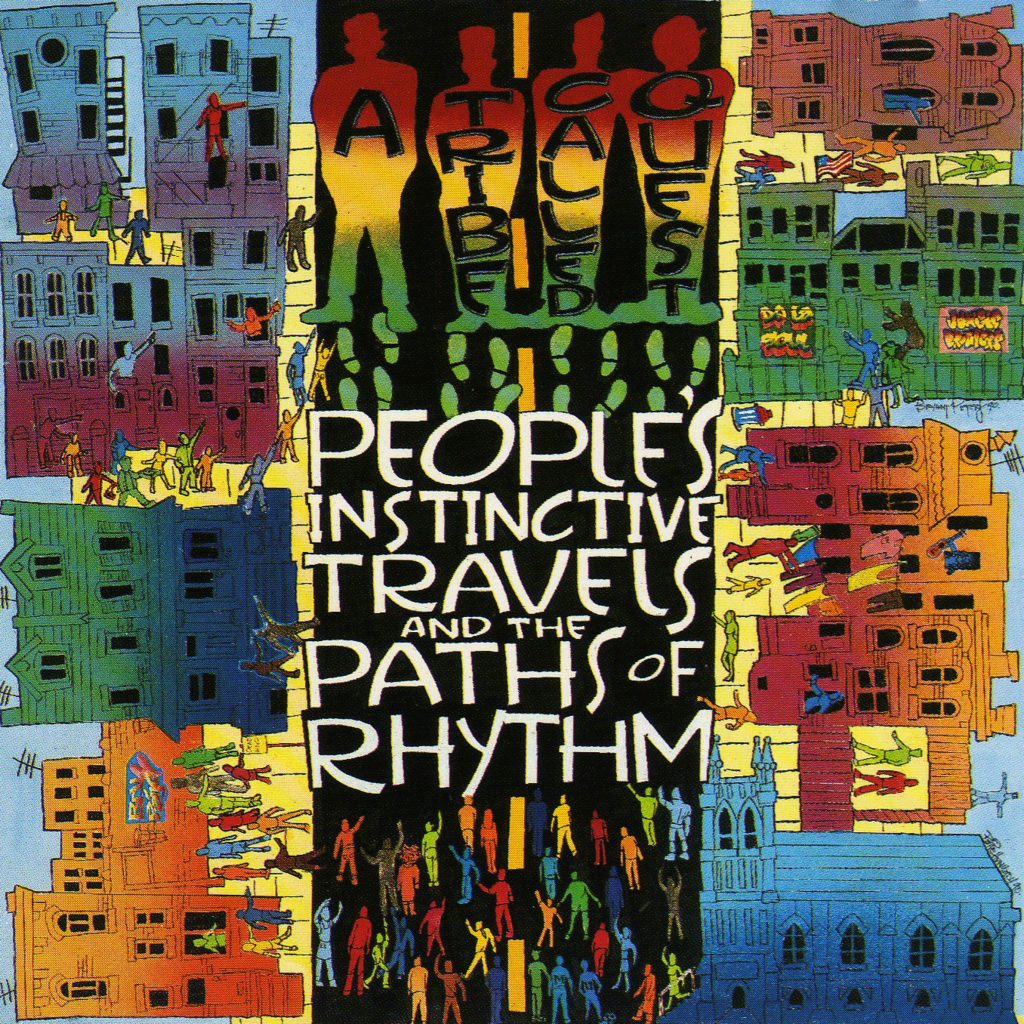
1. People’s Instinctive Travels and the Paths of Rhythm (1990) – A Tribe Called Quest
2. The Low End Theory (1991) – A Tribe Called Quest
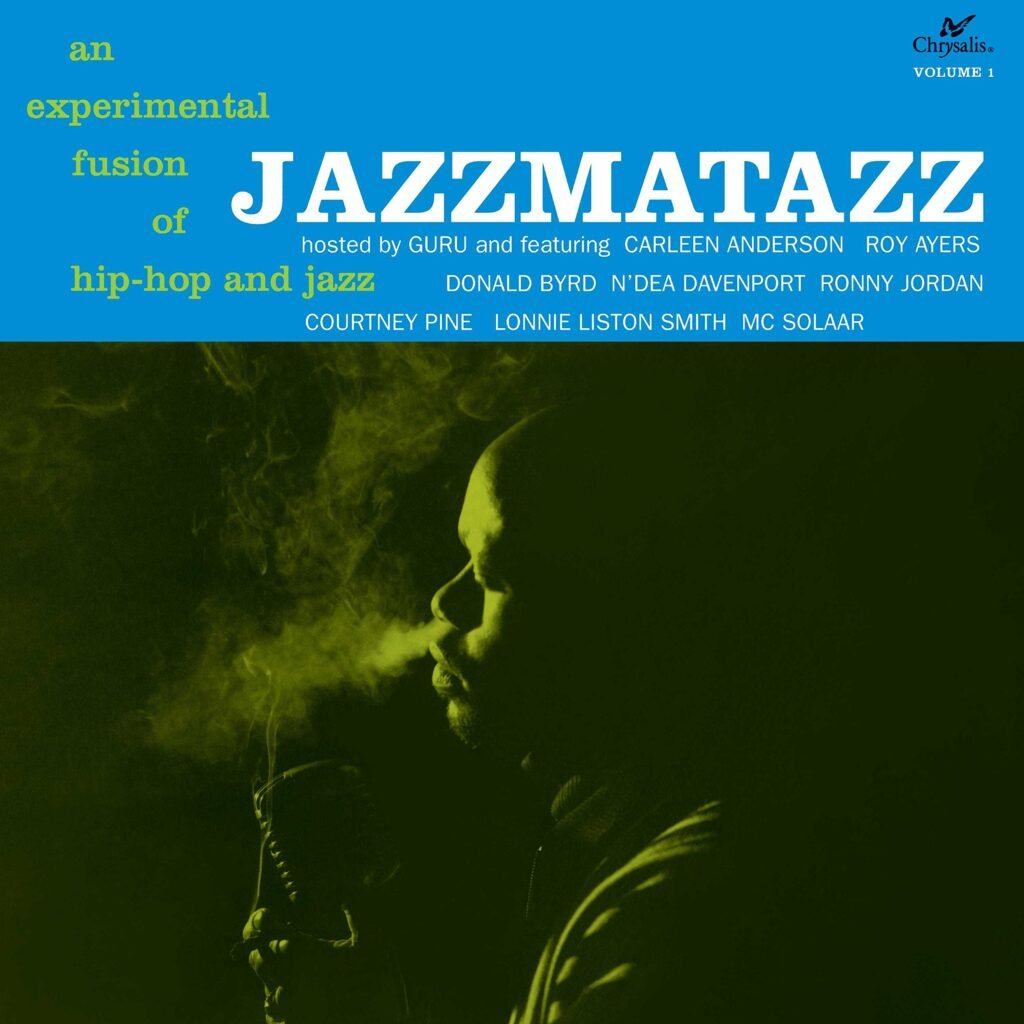
3. Jazzmatazz, Vol. 1 (1993) – Guru
4. Reachin’ (A New Refutation of Time and Space) (1993) – Digable Planets
5. Blowout Comb (1994) – Digable Planets
6. Mecca and the Soul Brother (1992) – Pete Rock & CL Smooth
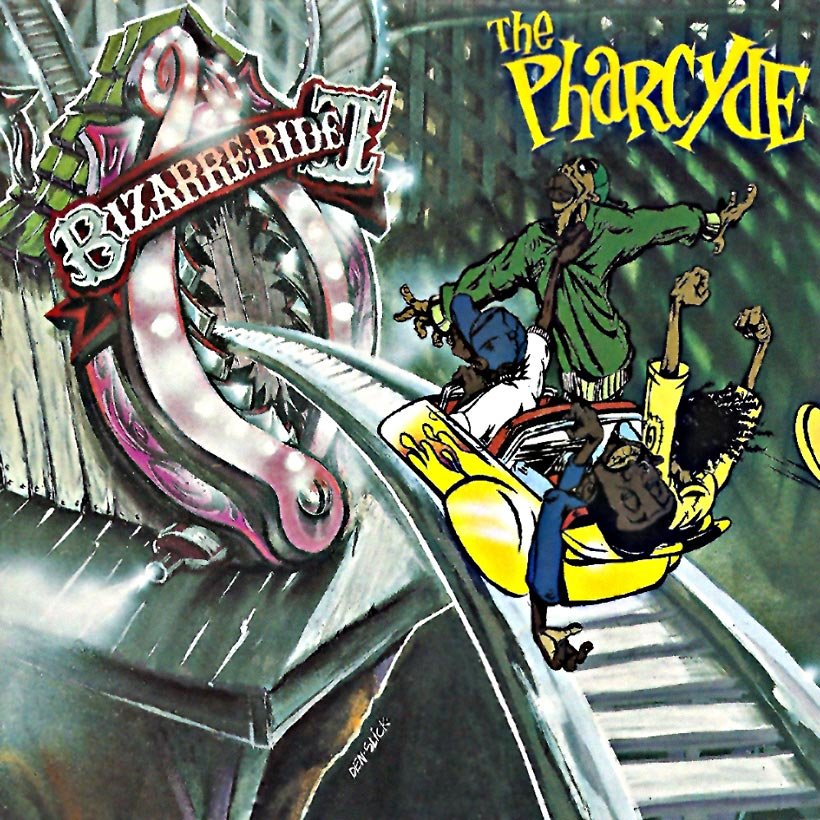
7. Bizarre Ride II the Pharcyde (1992) – The Pharcyde
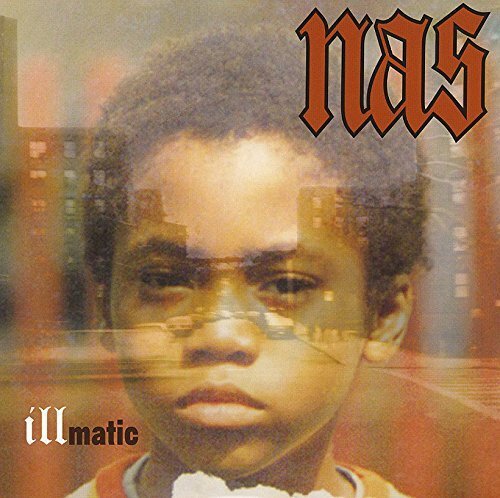
8. Illmatic (1994) – Nas
9. Stakes Is High (1996) – De La Soul
10. Black on Both Sides (1999) – Mos Def
If you’ve made it this far, you’re probably in the mood to discover more music like this !!!
 English
  Spanish