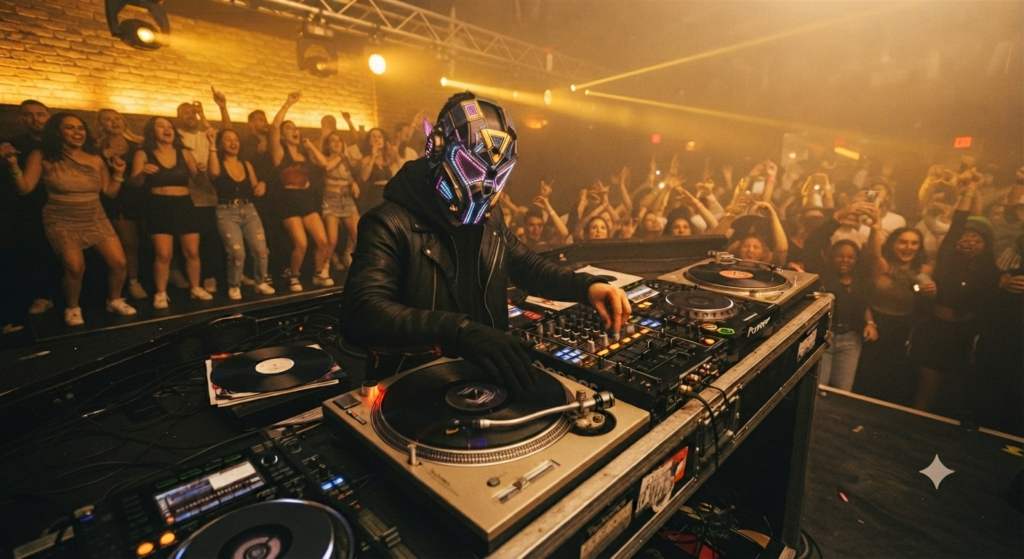
There are inventions that changed the way we make music. Others transformed the way we record it, distribute it or preserve it for future generations. But every now and then, someone looks at an ordinary object and imagines a purpose nobody else had considered before. The turntable is one of those objects. It was designed to reproduce music, not to create it. To play records faithfully, not to rewrite them. Yet somewhere between the crackle of a needle and the curiosity of a new generation, it stopped being a machine for listening and became something entirely different: an instrument. In that moment, music was no longer confined to the grooves pressed into vinyl. It became something that could be reshaped, extended and performed in real time.
The remarkable thing is that this transformation never came from the companies that manufactured turntables. It didn’t emerge from recording studios or engineering departments. It happened where innovation often begins: in neighbourhoods where imagination compensated for limited resources. In community centres, school gyms, park jams, basements and block parties where extension cords stretched across pavements and loudspeakers turned ordinary streets into gathering places. DJs weren’t trying to invent a new musical discipline. They were simply trying to keep people dancing a little longer. One break became two. Two copies of the same record became one continuous groove. A mixer became a bridge between moments. Without realising it, they were quietly changing the relationship between musicians, audiences and recorded sound itself.
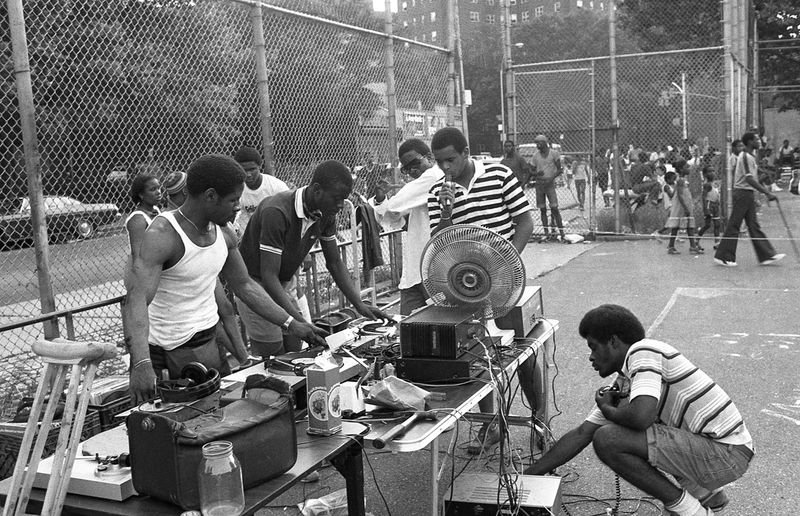
This is why describing the DJ as someone who merely plays records has always felt incomplete. The earliest DJs weren’t passive selectors standing beside expensive equipment. They were editors, arrangers, storytellers and improvisers working with music that already existed. Every transition carried intention. Every choice altered the emotional direction of the room. Every extended break invited dancers to answer with movement. The records remained the same, but their meaning changed depending on whose hands guided them. Behind every legendary set stood not only remarkable taste, but an extraordinary understanding of timing, patience and human connection. The turntable had become an expressive tool, not because its mechanics had changed, but because people’s imagination had.
Perhaps that’s why great DJing has never really been about technical perfection. The finest selectors know they’re not demonstrating equipment; they’re reading people. Every glance towards the dancefloor, every unexpected record, every moment of silence before the next beat arrives becomes part of the performance. A collection of vinyl isn’t simply a catalogue of songs waiting to be played. It’s a vocabulary waiting to become a conversation. Mixing isn’t about hiding one record behind another. It’s about allowing two different histories to meet for a few unforgettable seconds. And when that happens, listeners don’t remember the transition. They remember how it made them feel.
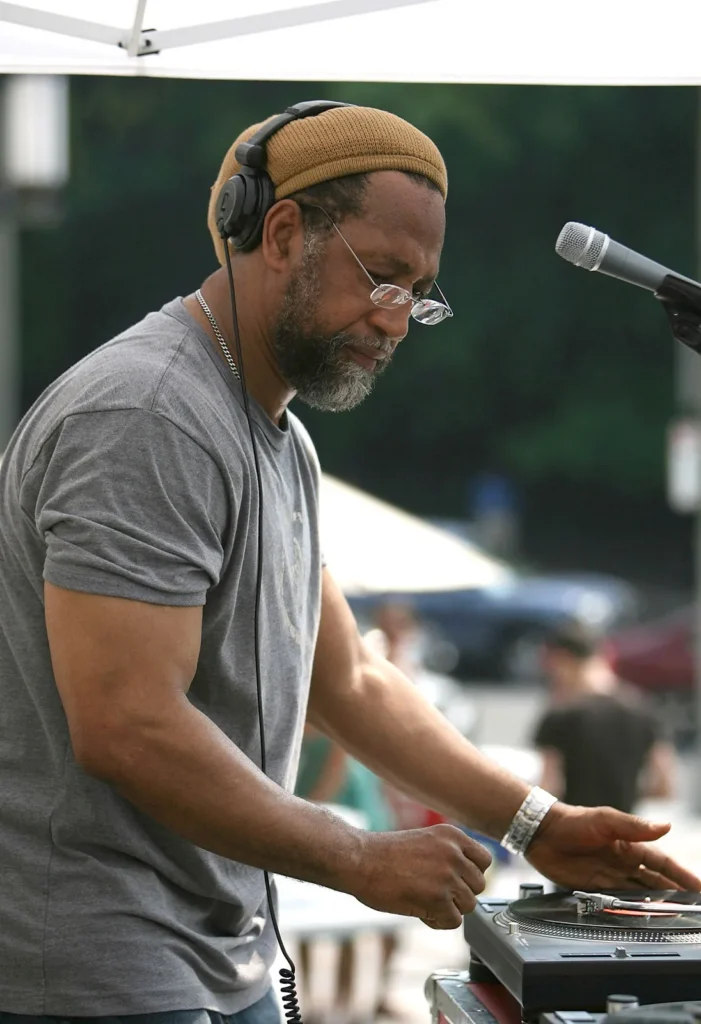
The modern DJ was born from that philosophy. Not because someone invented a completely new instrument, but because they discovered new possibilities inside an existing one. Figures like Kool Herc, Grandmaster Flash, Afrika Bambaataa and countless lesser-known pioneers looked beyond the intended purpose of the turntable and asked a different question: What if this machine could do more? Their answers transformed parties into laboratories of creativity. They challenged the idea that music belonged only to those who composed or performed it. Instead, they revealed that interpretation could be every bit as creative as composition itself. Every set became an original work, assembled from fragments of many others.
If you’ve ever watched a remarkable DJ at work, you’ve probably noticed something unusual. Their hands may control the records, but their attention is always somewhere else. On the room. On the atmosphere. On the conversation unfolding between strangers through rhythm alone. That’s because DJing has never simply been about choosing tracks. It’s about understanding energy. Knowing when to surprise, when to wait, when to build tension and when to let the music breathe. The greatest DJs don’t dominate the night. They guide it. Their ego disappears behind the experience they create for everyone else. In many ways, they become invisible architects of collective memory, designing evenings that people will remember long after they’ve forgotten the names of individual songs.
Because that is what happened on the day the turntable became an instrument. It didn’t simply change the role of the DJ. It changed the meaning of performance itself. It proved that creativity isn’t always about making something from nothing. Sometimes it’s about hearing possibilities where everyone else hears limitations. In a world increasingly fascinated by new technologies, the story of the turntable reminds us that innovation rarely begins with machines. It begins with curiosity. With people willing to question the obvious, experiment without permission and imagine new futures from familiar objects. Every time a needle touches a record today, it still carries the echo of that first revolutionary idea: that music was never meant to remain fixed inside the groove. It was always waiting for someone brave enough to make it move again.
THE EVOLUTION OF THE TURNTABLE THROUGH ITS MASTERS
ERA I — FOUNDATIONAL PIONEERS (1967–1979) “The turntable stops playing music and begins creating it.”
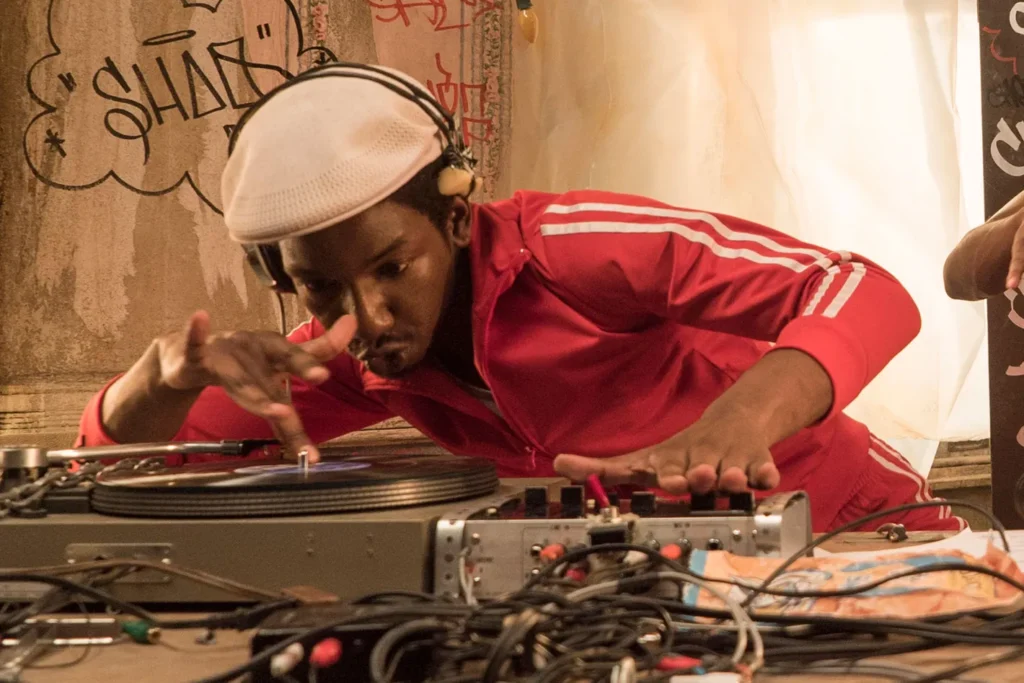
1. Kool Herc — The Visionary: The conceptual pioneer. He didn’t invent countless techniques. He invented a new way of thinking.
2. Grandmaster Flash — The Engineer The great technical architect.mEvery modern DJ, knowingly or not, still relies on concepts first developed by Flash.
3. Afrika Bambaataa — The Cultural Explorer The musical visionary. He transformed the DJ from someone who played records into someone who connected cultures.
4. Pete Jones — The Hidden Pioneer One of the earliest pioneers of primitive beat juggling. His influence on Grandmaster Flash is often overlooked, but impossible to ignore.
5. Francis Grasso — The Club Innovator The father of modern beatmatching. Without Grasso, the evolution of the club DJ would almost certainly have followed a much slower path.
ERA II — THE TECHNICAL REVOLUTION (1980–1989) “The turntable develops a language of its own.”
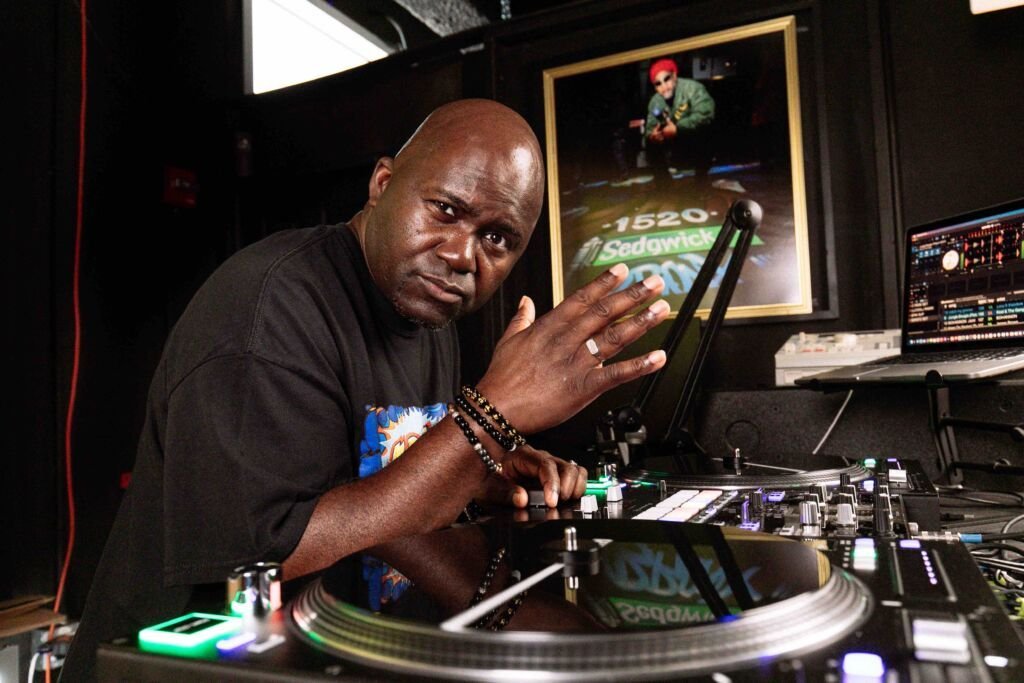
1. Grand Wizard Theodore — The Innovator Scratch bears his signature. One accidental discovery became one of the most recognisable sounds in modern music.
2. Steve Dee — The Beat Juggling Pioneer. The inventor of modern beat juggling. He transformed rhythm into a physical language performed with two turntables.
2. Cash Money — The Competitor. The first DJ to win the DMC World Championship. He proved that turntablism deserved to be recognised as a true performance discipline.
3. Jazzy Jeff — The Craftsman Elegance transformed into technique.His precision was never about showing off. It was always in service of the music.
4. DJ Cheese — The Game Changer The first DJ to bring scratching to the DMC Championships. A single performance changed the history of competitive DJing forever.
ERA III — THE TURNTABLISM ERA (1990–2005) “The turntable reaches the level of a virtuoso instrument.”
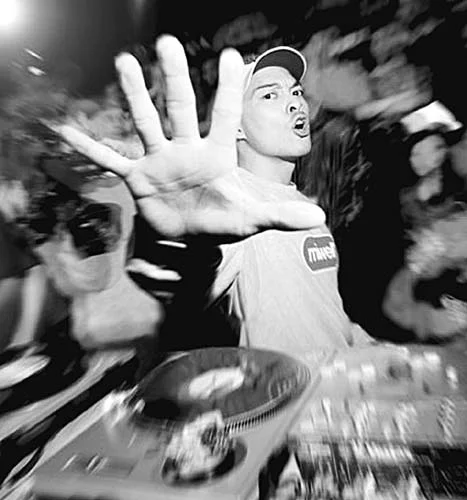
1. DJ Qbert — The Virtuoso. The Hendrix of the turntable. He demonstrated that two turntables could become a complete musical instrument.
2. Mix Master Mike — The Experimentalist. Creativity without limits. He constantly pushed the boundaries of what was considered technically possible.
3. DJ Craze — The Perfectionist. Three-time DMC World Champion. Technical excellence with extraordinary musical instinct.
4. A-Trak — The Prodigy. The youngest DMC World Champion in history. A reminder that innovation has never depended on age.
5. DJ Babu — The Modern Architect. One of the founding fathers of modern turntablism. His influence continues to shape today’s generation of performers.
ERA IV — CONTEMPORARY INNOVATORS (2005–Present) “The instrument enters the digital era without losing its soul.”
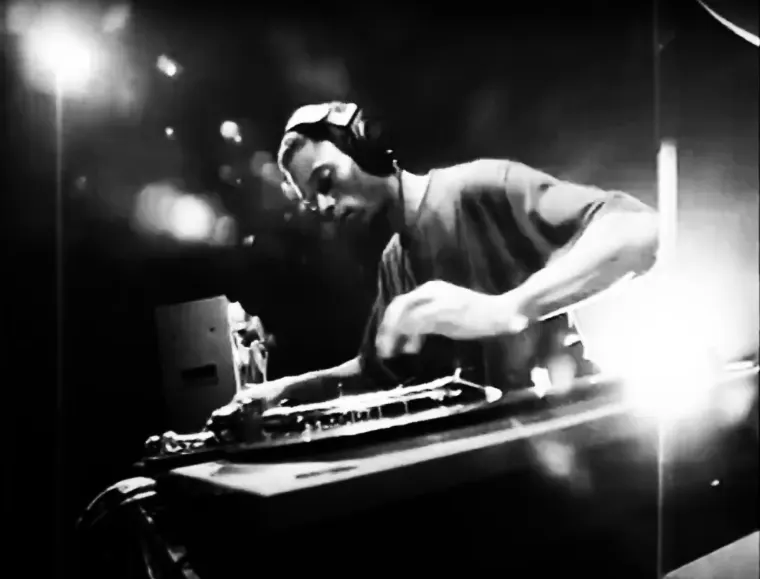
1. Jeff Mills — The Futurist. For decades, he has demonstrated that technology should serve performance, never replace it.
2. Richie Hawtin — The Reinventor. He redefined the relationship between the DJ, software and live performance. Technology became an extension of creativity.
3. DJ Kentaro — The Artist. Virtuosity guided by artistic vision. Technique always serves expression.
4. DJ Angelo — The Educator. An exceptional performer and one of the most influential educators in contemporary turntablism. Innovation also means passing knowledge to the next generation.
5. DJ Rafik — The Technician. Contemporary scratching performed at its highest level. Precision, speed and creativity in perfect balance.
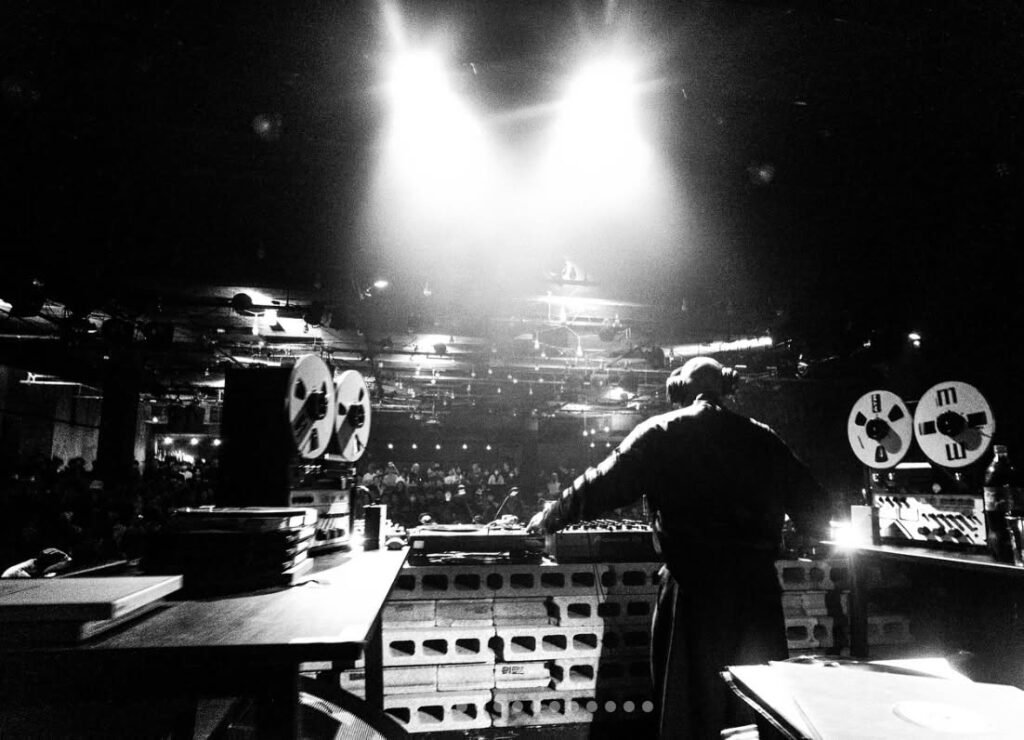
THE TURNTABLE’S “ MOUNT RUSHMORE”
If the entire evolution of the turntable had to be told through just four names, these would probably be the ones.
Kool Herc — The Visionary. The first to realise that a turntable could reshape the structure of a song. Without Herc, the DJ might still be little more than someone who plays records.
Grandmaster Flash — The Engineer. He transformed an intuition into a technical language. He systematised the turntable as an instrument with its own techniques, vocabulary and discipline.
Grand Wizard Theodore — The Innovator. He turned an accidental gesture into a universal technique. Scratching redefined the expressive possibilities of vinyl and gave the turntable an entirely new voice.
DJ Qbert — The Virtuoso. He took that language to a level of precision and complexity comparable to a world-class jazz soloist or classical virtuoso. In doing so, he proved that the turntable had earned its place among the world’s true musical instruments.
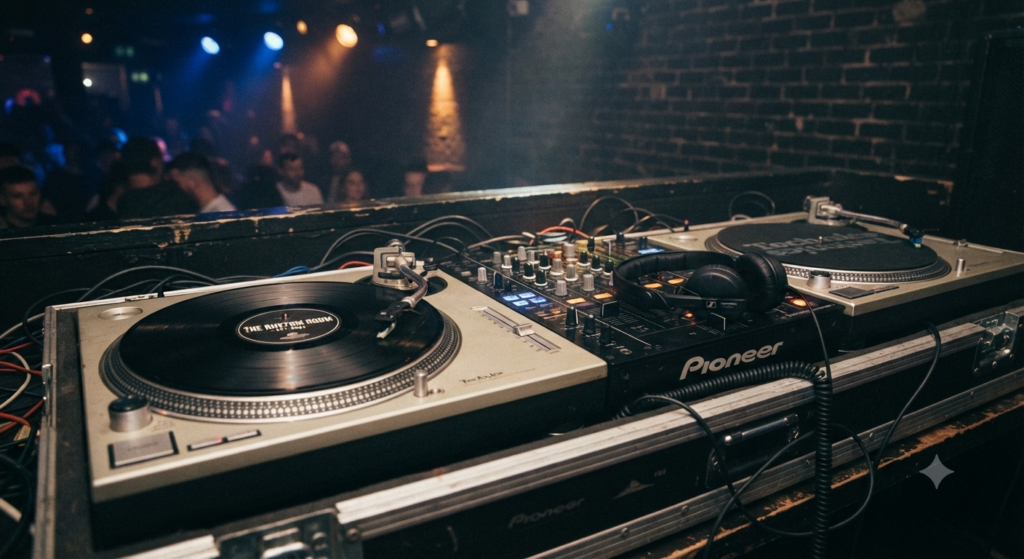
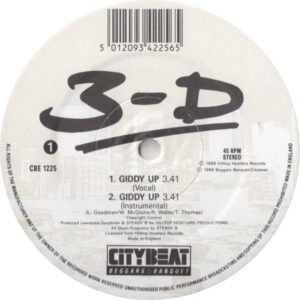
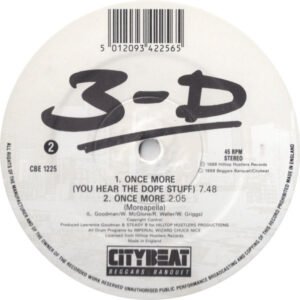
If you’ve made it this far, you’re probably in the mood to discover more music like this !!!


 English
  Spanish
Tomas Angel Jimenez
30 de July de 2026
Buen artículo amigo!! 🙌🏻
KDB
31 de July de 2026
Al final, this is it, bro, dos turntables, una mixer, un DJ y la magia de crea un viaje sonoro….