
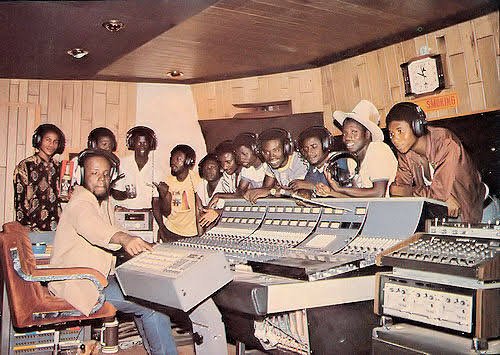
There was a time when buying a record in Lagos was almost as normal as doing so in London, New York or Tokyo. Today it may seem difficult to imagine, especially if we think about the current state of the African music industry, but during the 1970s Nigeria became the greatest recording industry powerhouse on the continent. We are not talking only about talent—which there was in abundance—but about an industrial infrastructure capable of recording, manufacturing and distributing hundreds of thousands of records every year.
While much of Africa depended on European pressings, Nigeria manufactured its own vinyl records, supplied a huge domestic market and exported music to neighbouring countries. For more than a decade, Lagos was one of the world’s great centres of vinyl production. And that is precisely one of the reasons why so many collectors today pursue those original pressings with genuine devotion. Behind every worn record sleeve lies a fascinating story of economic independence, cultural explosion and boundless creativity. When someone places an original Nigerian LP on the turntable, they are not only listening to afrobeat, highlife, funk or African psychedelia. They are also hearing the sound of an industry that believed it could compete on equal terms with anyone.
The growth was so rapid that the major multinational companies wasted no time in making their move. EMI Nigeria became one of the pillars of that explosion. The company quickly realised that the Nigerian market was not simply a destination for distributing Western music, but a place where it was necessary to invest, record local artists and press records within the country itself. Around it emerged modern studios, specialised sound engineers and a production chain capable of releasing new records at a frantic pace. Almost at the same time, Decca Nigeria developed a similar strategy, investing in highlife, juju, afro-funk and traditional music reinterpreted for a new urban generation.
That competition proved extraordinarily beneficial for musicians. Never before had they enjoyed so many opportunities to record full-length albums with technical standards comparable to those found in Europe. Lagos became filled with recording sessions lasting until the early hours of the morning, musicians moving from one session to another and producers obsessed with achieving a more powerful sound than the label across the street. In just a few years the country produced hundreds of releases that today make up one of the richest catalogues in all African music.
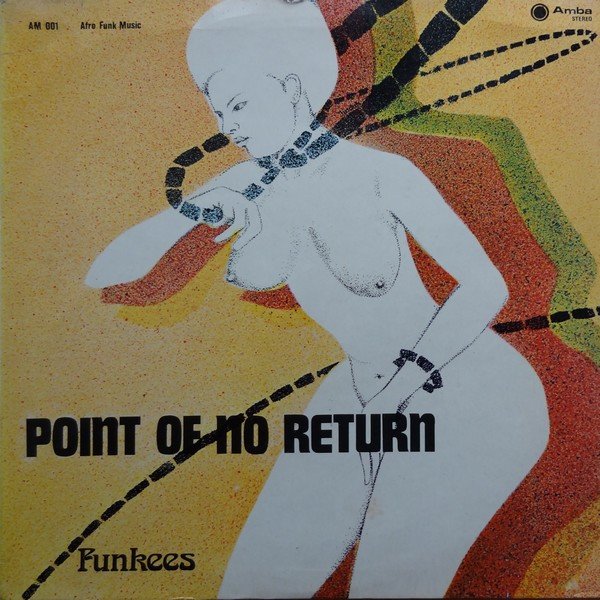
But no recording industry can survive on good studios alone. The real secret lay in the pressing plants. Companies such as Phonodisk played an absolutely decisive role. Records for EMI and Decca were not the only ones pressed there; countless independent labels that were beginning to flourish throughout the country also relied on those facilities. Those factories operated almost without interruption to satisfy enormous demand. Nigeria’s population had already exceeded eighty million people, and music occupied a central place in everyday life: it could be heard in clubs, hotels, family celebrations, radio stations and popular festivities. Owning a record was a form of social prestige. The result was a complete ecosystem in which sleeve manufacturers, printing companies, distributors, specialist record shops and concert promoters all coexisted.
Exceptionally dynamic independent companies also emerged, such as Tabansi Records, probably one of the labels most admired by today’s collectors. Tabansi embraced much more adventurous sounds, blending American funk, soul, psychedelia, afrobeat and traditional rhythms with a freedom that was difficult to find in other markets. Its striking album covers and relatively limited pressings have turned many of those releases into genuine cult objects today. The fascinating thing is that, at the time, nobody was thinking about record collecting. These were records made for dancing, for being played loudly and for being sold in local markets.
If you listen today to many of those recordings, it becomes clear that Nigeria was not copying foreign trends. It was reinterpreting them. James Brown was certainly there. So were psychedelia, electric jazz, Memphis soul and British rock. But everything was filtered through a unique musical personality. This is where groups such as Rogers All Stars appear, capable of combining incredibly deep grooves with devastating horn sections and a constant feeling of controlled improvisation. The same was true of dozens of lesser-known bands that recorded a single album before disappearing. It is precisely that enormous number of “one-shot” records that explains much of the appeal of African record collecting. You never know when you are going to discover a masterpiece hidden behind an apparently modest sleeve.
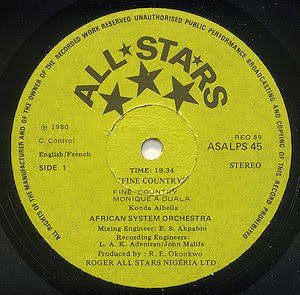
For those of us who have spent years searching for vinyl records around the world, Nigeria represents something close to an inexhaustible mine. It is not uncommon to find extraordinary musicians who never moved beyond the local circuit and who today, fifty years later, are revered by DJs in Tokyo, London, Berlin or São Paulo. That is one of vinyl’s greatest forms of magic: it allows a recording forgotten for decades to fill a dancefloor again on the other side of the world. Time, far from wearing these records down, has turned them into even more fascinating pieces.
However, that industrial dream did not last forever. At the beginning of the 1980s, the combination of economic crisis, political instability, import restrictions and the gradual deterioration of industrial infrastructure began to take its toll. Many pressing plants closed, others drastically reduced their activity and the multinational companies began to withdraw their investments. Little by little, the ecosystem that had transformed Lagos into a recording industry powerhouse faded away. Paradoxically, that ending helped increase the historical value of everything it had produced.
Today, original pressings from EMI Nigeria, Decca Nigeria, Tabansi and Phonodisk are part of collectors’ want lists all over the world. Not only because of their growing scarcity, but because they represent a unique moment in the history of African music. When we talk about vinyl collecting, we usually look towards the United States, the United Kingdom or Japan. However, I am increasingly convinced that one of the most fascinating chapters is still hidden among the old shelves of Lagos. There, for barely a decade, an industry capable of producing extraordinary music with its own identity was built. And perhaps that is the best possible definition of a truly collectable record: one that continues to tell a great story long after the stylus has left the groove.
Ten Essential Albums from the Golden Age of Nigerian Vinyl
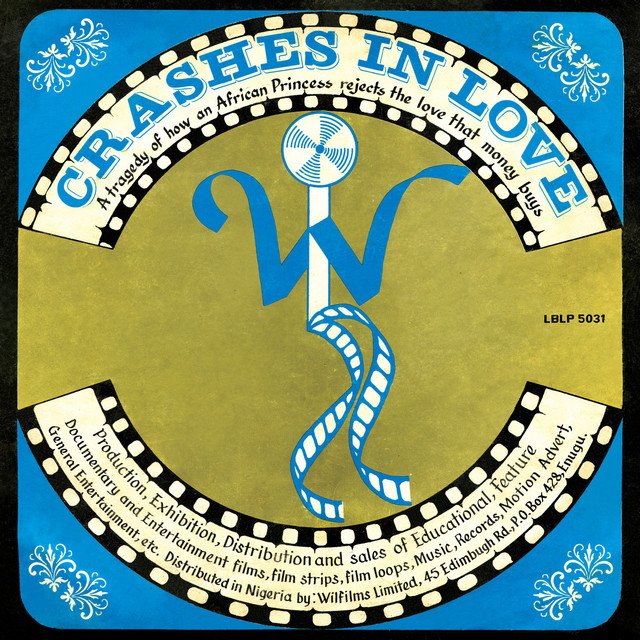
- William Onyeabor – Crashes in Love (1977)
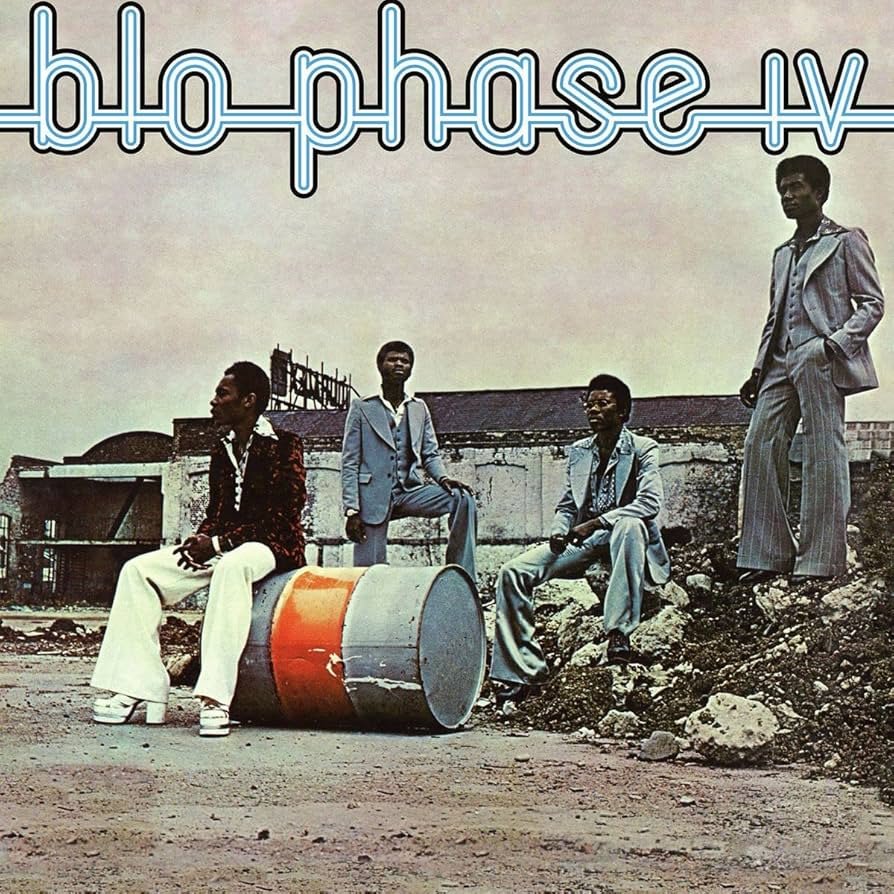
- Blo – Phase IV (1979)
- Ofege – Try and Love (1973)
- The Funkees – Point of No Return (1974)
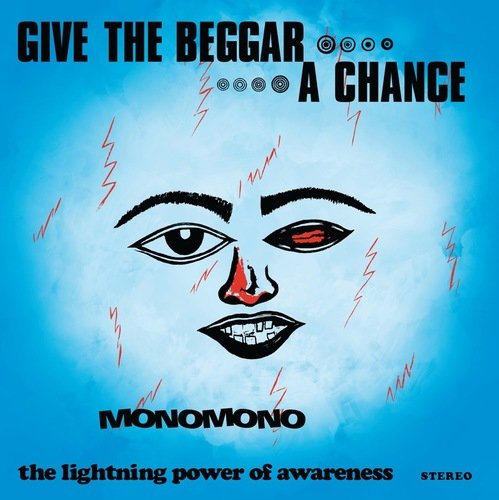
- Monomono – Give the Beggar a Chance (1973)
- The Hygrades – In the Jungle (1974)
- Alekwu Brothers – Beware (1977)
- Geraldo Pino & The Heartbeats- Let’s Have A Party (1974)
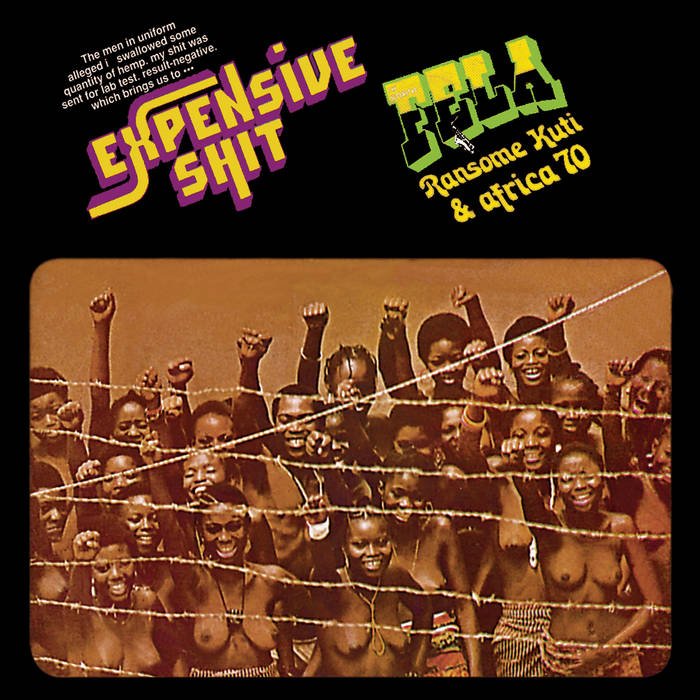
- Fela Kuti & Africa 70 – Expensive Shit (1975)
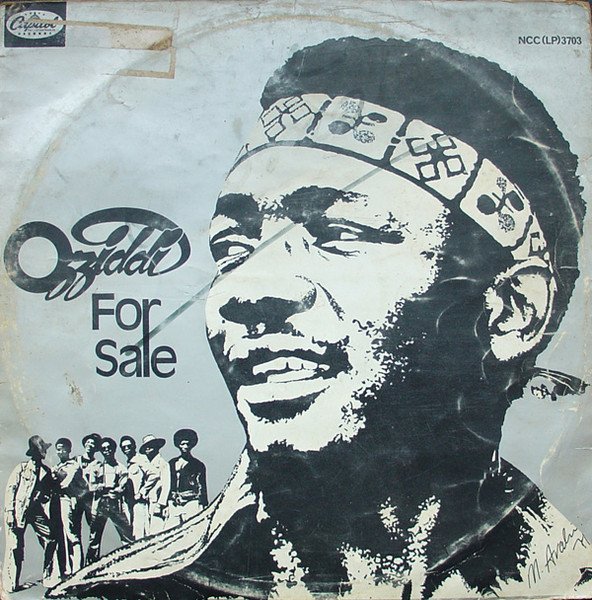
- Sonny Okosun & Ozziddi – Ozziddi (1976)
 English
  Spanish