
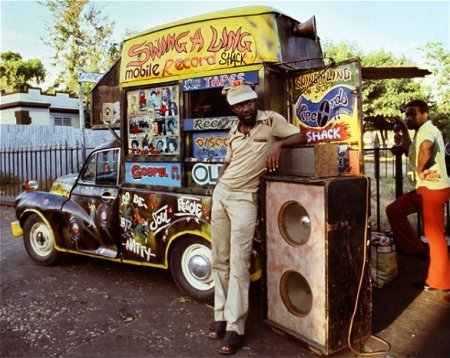
Some countries produce great musicians. Others change the course of music history. Jamaica belongs firmly in the latter category. When we talk about the evolution of electronic music, we tend to focus on places like Detroit, Chicago, Berlin or Manchester. And rightly so. Those cities helped shape the sounds that would go on to dominate dancefloors around the world. But long before synthesizers became the defining voice of European club culture, a small Caribbean island was already experimenting with production techniques that would fundamentally reshape how music was made.V What makes Jamaica’s story so remarkable is that it wasn’t driven by cutting-edge technology or million-pound studios. Quite the opposite. It emerged from modest recording rooms, creative minds and an almost obsessive fascination with what could be done to sound once it had been recorded. Follow the threads that run through techno, house, drum & bass, dubstep or even much of today’s urban music, and sooner or later you’ll find yourself back in Kingston.
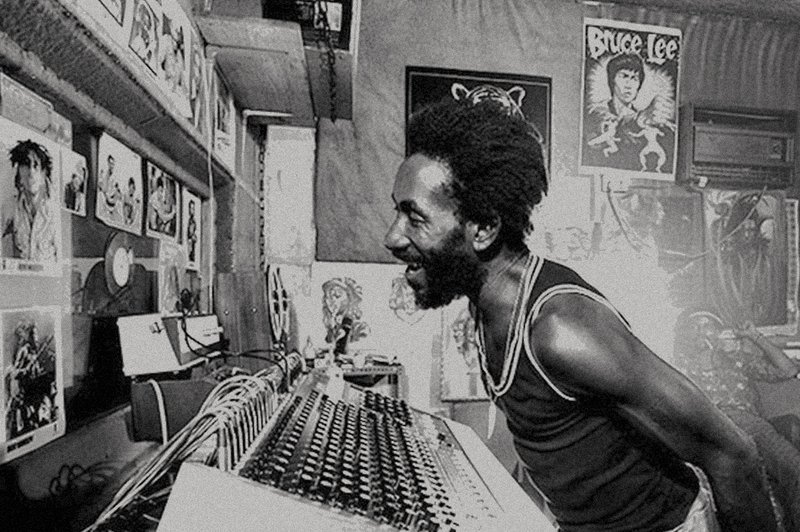
To understand this revolution, we need to step back into the 1960s and 1970s. While reggae was conquering the world through figures like Bob Marley, something arguably even more radical was happening behind the scenes. Jamaican producers began to see the recording studio not simply as a place to capture performances, but as an instrument in its own right. Names like King Tubby, Lee “Scratch” Perry and Errol Thompson started taking completed recordings apart and rebuilding them from the ground up. Vocals disappeared. Basslines were pushed to the front. Echoes stretched into infinity. Reverb transformed ordinary spaces into vast sonic landscapes. Mixing became a performance rather than a technical process. What began as instrumental versions created for Jamaican sound systems gradually evolved into an entirely new musical language: dub. Today, applying effects, filters or automation inside a digital workstation feels completely normal. Back then, these producers were inventing many of those ideas from scratch. They were among the first people to realise that manipulating sound could be every bit as creative and transformative as writing the music itself.
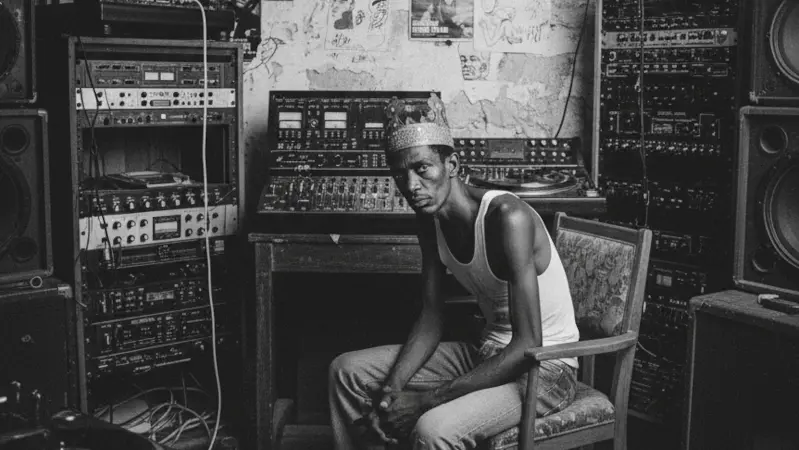
The influence of those innovations travelled far beyond the Caribbean. During the 1970s and 1980s, Jamaican communities brought sound system culture with them to Britain, where it found fertile ground among punk musicians, experimental artists and, eventually, the emerging rave scene. The idea that bass should be felt as much as heard, the importance of alternative versions and the use of the studio as a creative laboratory began to seep into entirely new genres. When we hear the vast atmospheres of ambient music, the deep low-end of jungle, the echo-soaked textures of trip-hop or the hypnotic architecture of dub techno, we’re hearing traces of Jamaica. Many of the European producers later celebrated as visionaries spent years absorbing lessons that Jamaican engineers had already been exploring decades earlier. What started as a local practice designed to energise street dances eventually became one of the cornerstones of modern electronic music. Perhaps Jamaica’s greatest contribution wasn’t a specific technique at all, but a way of thinking.
Jamaican music culture introduced ideas that now sit at the heart of contemporary music-making: the remix, alternative versions, the creative reworking of existing recordings and the elevation of the producer from technician to artist. Before dub, a recording was largely viewed as a document of a musical performance. After dub, a recording became something fluid—something that could be dismantled, reshaped and endlessly reimagined. It’s difficult to overstate how influential that shift has been. From Chicago house twelve-inches to Berlin techno remixes, from sample-based hip-hop to electronic producers working entirely inside laptops, countless artists operate within a creative framework that Jamaica helped establish. Even the modern producer-DJ owes a significant debt to Jamaican sound system operators, who understood long before most of the music industry that sound itself could be manipulated in real time to create entirely new experiences.
Listening back to those classic dub records today is a fascinating experience because so many of them still sound futuristic. There are moments on recordings made more than fifty years ago that could comfortably sit alongside contemporary experimental electronic releases. That’s often the clearest sign of a genuine artistic breakthrough. It doesn’t simply influence its own era; it continues to shape the future. Jamaica changed electronic music because it changed our relationship with sound. It transformed the studio into a space for experimentation, turned mixing into an art form and gave producers a creative role equal to that of performers and songwriters. Without necessarily setting out to do so, a small Caribbean island laid some of the foundations upon which decades of musical innovation would be built. The next time you hear an endless delay drifting through a techno track, a bassline shaking the foundations of a dubstep tune or a remix that surpasses the original version, it’s worth remembering that much of that journey began in Kingston—among cables, tape machines and the boundless imagination of a group of pioneers who understood that sound wasn’t fixed. It was alive.
10 Albums That Showcase Jamaica’s Influence on Electronic Music
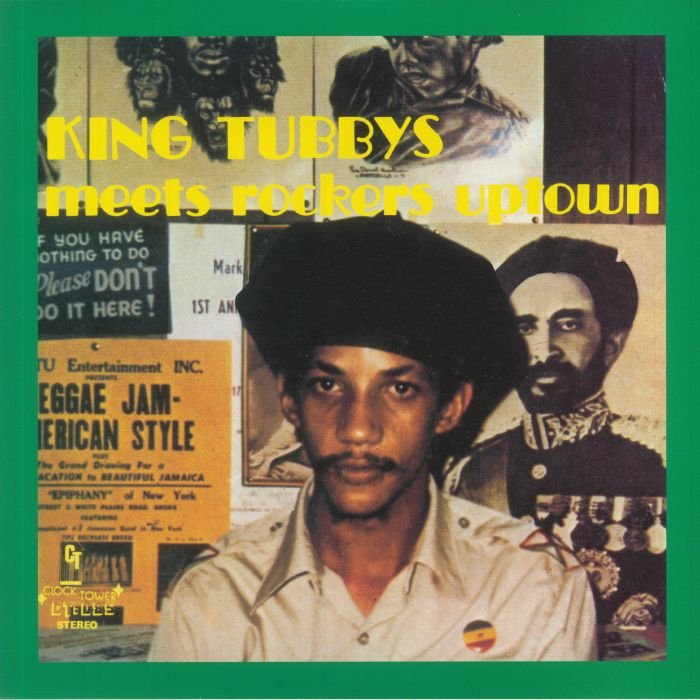
- 1.King Tubby Meets Rockers Uptown — Augustus Pablo & King Tubby (1976): A landmark dub record that helped redefine what a recording could be and laid the groundwork for generations of producers.
- 2.Super Ape — Lee “Scratch” Perry & The Upsetters (1976): One of the most adventurous studio creations ever made, blurring the line between reggae, dub and sonic experimentation.
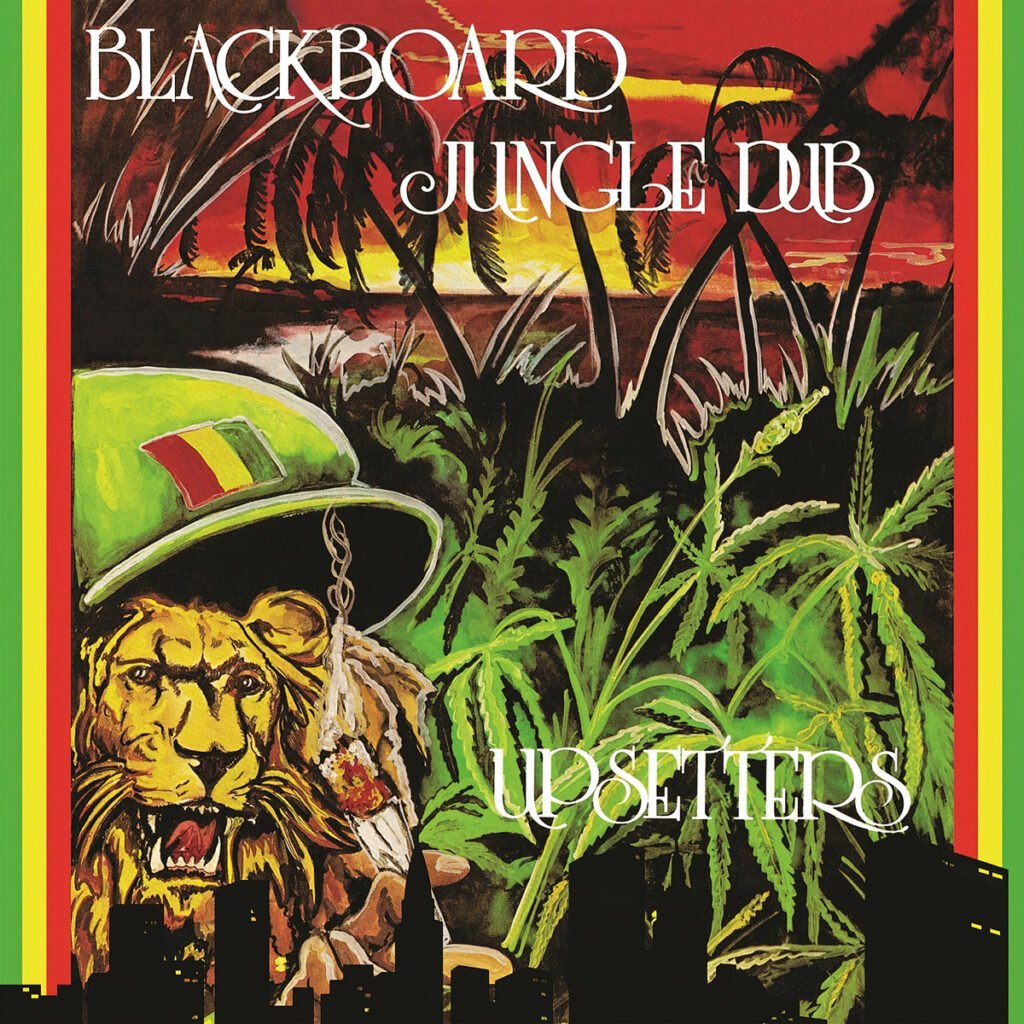
- 3.Blackboard Jungle Dub — The Upsetters (1973): Often cited as one of the first true dub albums, introducing production techniques that would later become standard practice in electronic music.
- 4.94 Diskont — Basic Channel (1995): The blueprint for dub techno, where Jamaican studio concepts meet minimalist German electronic music.
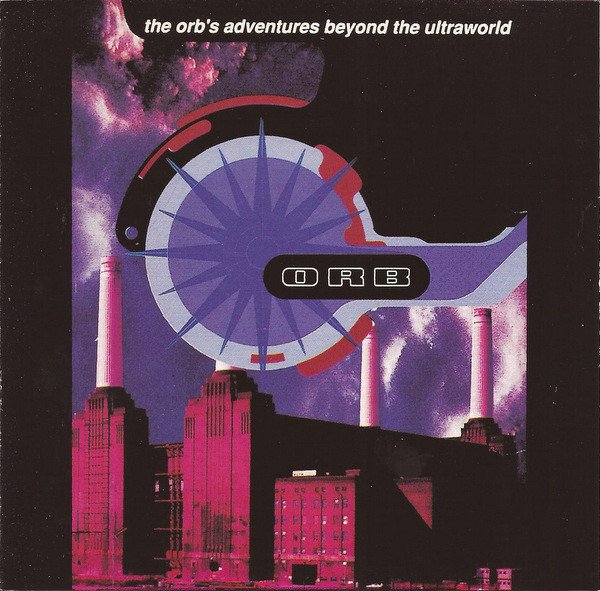
- 5.Adventures Beyond the Ultraworld — The Orb (1991): A masterclass in ambient house that draws heavily from dub’s spacious use of echo, atmosphere and sound manipulation.
- 6.Blue Lines — Massive Attack (1991): A cornerstone of trip-hop whose deep basslines and production aesthetics owe a considerable debt to Jamaican sound system culture
- 7.Timeless — Goldie (1995): A defining jungle album that channels Jamaica’s bass-heavy legacy into a new electronic language.
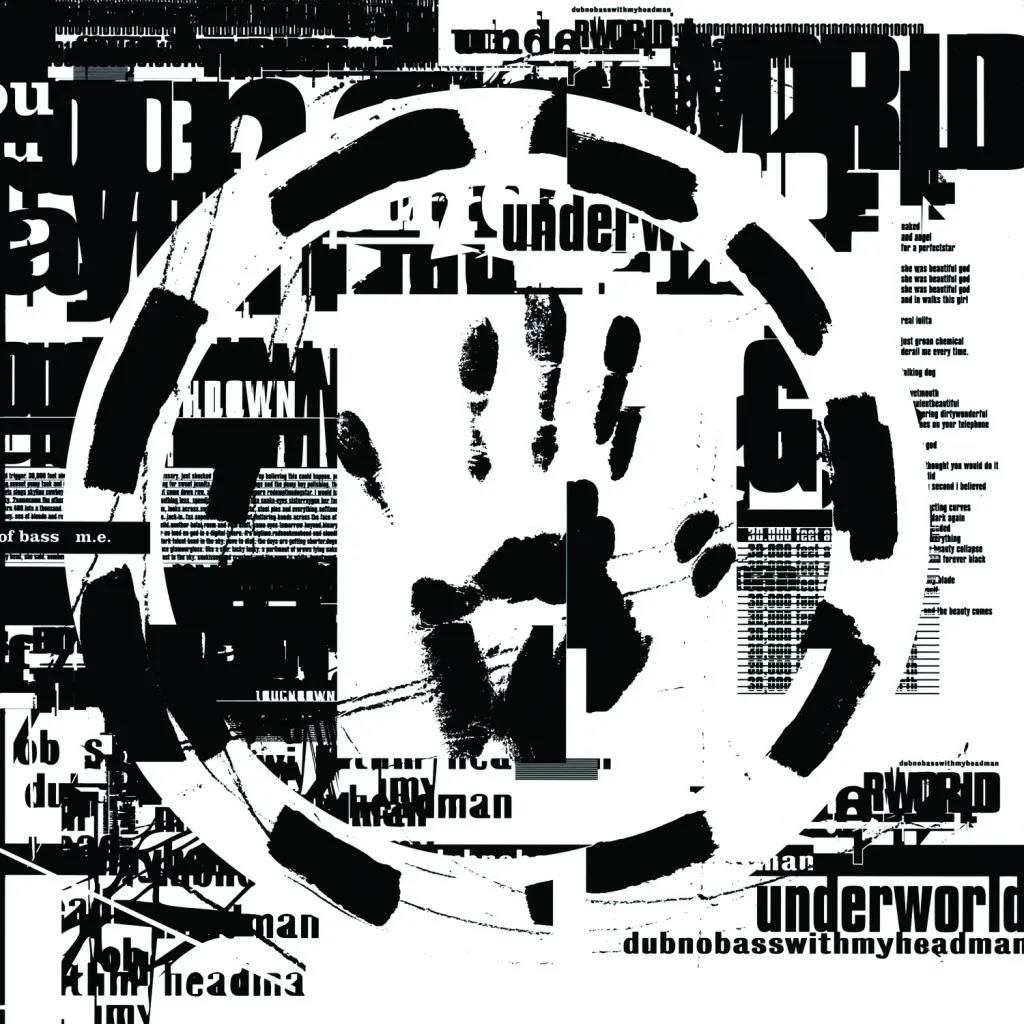
- 8.Dubnobasswithmyheadman — Underworld (1994): An electronic classic where dub-inspired production techniques quietly underpin the album’s hypnotic energy.
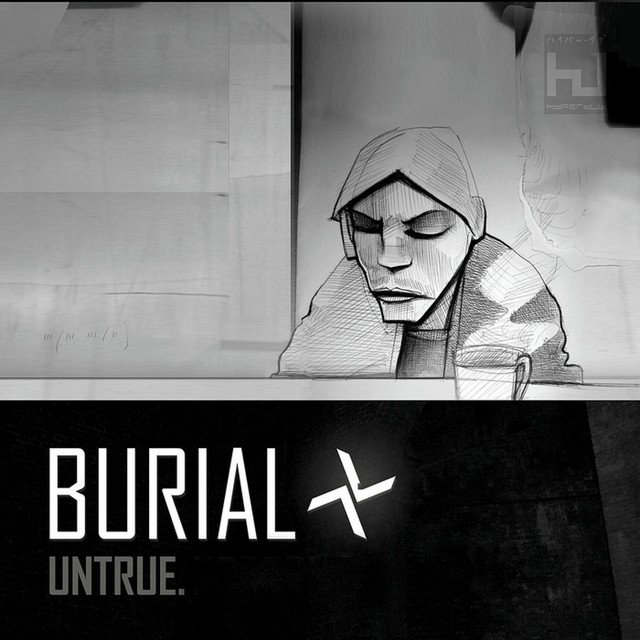
- 9.Untrue — Burial (2007). One of the most influential electronic records of the 21st century, built on space, atmosphere and bass-driven emotion inherited from dub traditions.
- 10.Skream! — Skream (2006): A landmark dubstep album that demonstrates just how deeply Jamaican bass culture shaped the evolution of modern electronic music.
Five Jamaican Innovations We Use in Electronic Music Without Even Realising It
1. Dub: The Studio Becomes an Instrument
Before dub, recording studios were largely places where musicians captured performances. Jamaican pioneers like King Tubby and Lee “Scratch” Perry flipped that idea on its head. By manipulating existing recordings—removing vocals, emphasising bass and drums, and adding layers of echo and reverb—they transformed the mixing desk into a creative instrument in its own right.
Today, every electronic producer who automates effects, creates breakdowns, builds tension through delays or reshapes a track in the mix is working within a framework first explored by dub engineers in Kingston during the 1970s.
2. The Remix: Reinventing the Original
The remix has become one of the defining pillars of modern music culture. Entire careers have been built on reworking existing tracks, and dance music thrives on alternative versions.
The roots of that culture can be found in Jamaica. Producers regularly created new interpretations of songs by altering arrangements, emphasising different elements or introducing entirely new vocal performances over existing rhythms. Long before remix competitions, extended club mixes or Beatport charts, Jamaican studios were already proving that a song didn’t have to exist in just one form.
3. Sound Systems: The Blueprint for Modern Club Culture
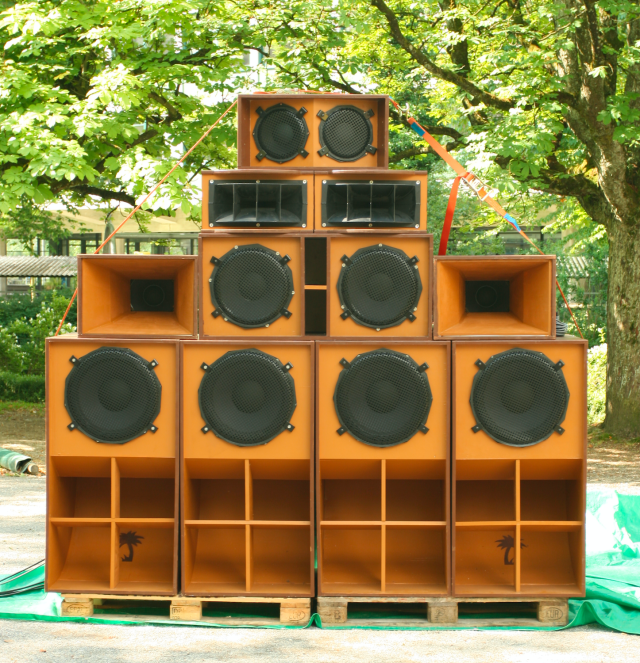
Long before superclubs and festival stages dominated dance music, Jamaica had sound systems.
These weren’t simply large speaker setups. They were mobile cultural institutions. Operators competed to deliver the loudest, deepest and most immersive listening experience possible. The focus wasn’t on watching performers—it was on feeling the music physically.
Modern club culture, festival sound design and the obsession with powerful audio systems all owe a considerable debt to Jamaica’s sound system tradition. Whether you’re standing in a warehouse rave, a techno club or in front of a festival rig, you’re experiencing an idea that Jamaica helped pioneer decades ago.
4. Versioning: One Rhythm, Endless Possibilities
One of Jamaica’s most influential but often overlooked innovations is the concept of the “version.”
Rather than treating a backing track as a finished piece of music, producers would reuse the same rhythm track for multiple songs, inviting different vocalists and deejays to create entirely new interpretations. A single instrumental could generate dozens of unique recordings.
That approach laid the groundwork for many modern electronic practices. From house and techno edits to sample packs, stems and collaborative productions, the idea that music can be continuously reworked and reimagined owes much to Jamaica’s culture of versioning.
5. Bass Culture: Feeling Music as Much as Hearing It
Perhaps Jamaica’s most profound contribution to electronic music is its relationship with bass.
Jamaican producers understood early on that low frequencies weren’t simply another element in a mix. Bass could be emotional, physical and architectural. It could shape the entire listening experience.
That philosophy travelled from reggae and dub into jungle, drum & bass, dubstep, garage, techno and countless other genres. The chest-rattling basslines that define modern electronic music didn’t emerge by accident. They belong to a tradition that Jamaican sound systems and producers spent decades refining.
In many ways, whenever electronic music moves air as much as it moves people, it’s carrying a little piece of Jamaica with it.
If you’ve made it this far, you’re probably in the mood to discover more music like this !!!

 English
  Spanish