
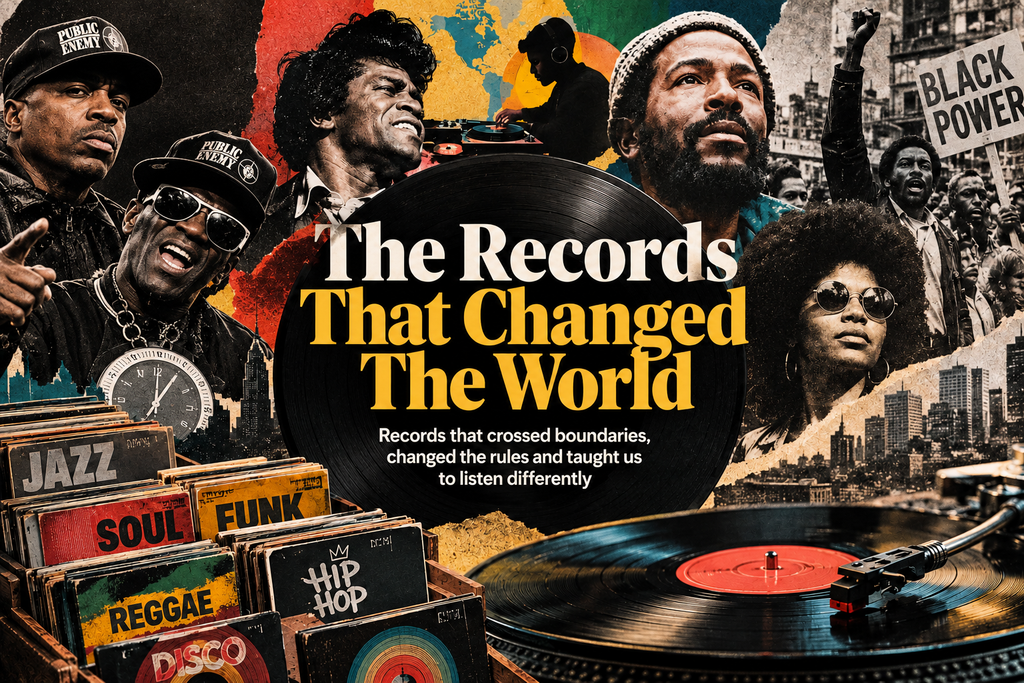
There’s a conversation every music lover knows. You’re sitting around with a few mates, a drink on the table, a handful of sleeves spread out, and someone throws the question into the mix: “What’s the most important record ever made?” From that moment on, you can forget about checking the time. One person argues for one record, another brings up another, someone else throws a different one, and before you know it, you’re debating the whole night. The beautiful thing is that nobody is entirely right, but nobody is completely wrong either. Because talking about the records that changed the world isn’t about putting together a list of the best-selling albums, the most critically acclaimed releases or the ones that show up most often on collectors’ shelves.

The question is something else entirely: which recordings managed to change the way we live, think, dance, organise ourselves or understand music? Some records transformed the industry; others gave a voice to communities that barely had a place in the official narrative. Some introduced new ways of playing, recording or producing, while others did something even deeper: they allowed millions of people to recognise themselves in a song.
And here’s something worth remembering. A record doesn’t change the world on its own, as if the vinyl itself possessed some kind of magic power. There’s always a context behind it, a society in motion, musicians drawing on the sounds around them and an audience ready to find something of its own in the music. But there are moments when all those elements fall into place. A recording captures an energy that’s already circulating and manages to project it further than anyone could have imagined. From that point onwards, the world sounds a little different.
As crate diggers, we know that history isn’t always hiding in the most famous sleeve or the most expensive pressing. Sometimes it lives in a B-side, on a small independent label or in the name of a session musician buried somewhere in the credits. Still, there are records that stand as genuine turning points, reference points through which we can hear a before and an after. Not necessarily because they were the first to do something, but because they managed to take what once seemed impossible, marginal or too radical and make it part of the common language. And if we’re going to talk about those records, let’s give them the conversation they deserve: without turning music history into a competition, but recognising that some grooves contain far more than songs.
From that point onwards, the world sounds a little different.
It Starts With the Body
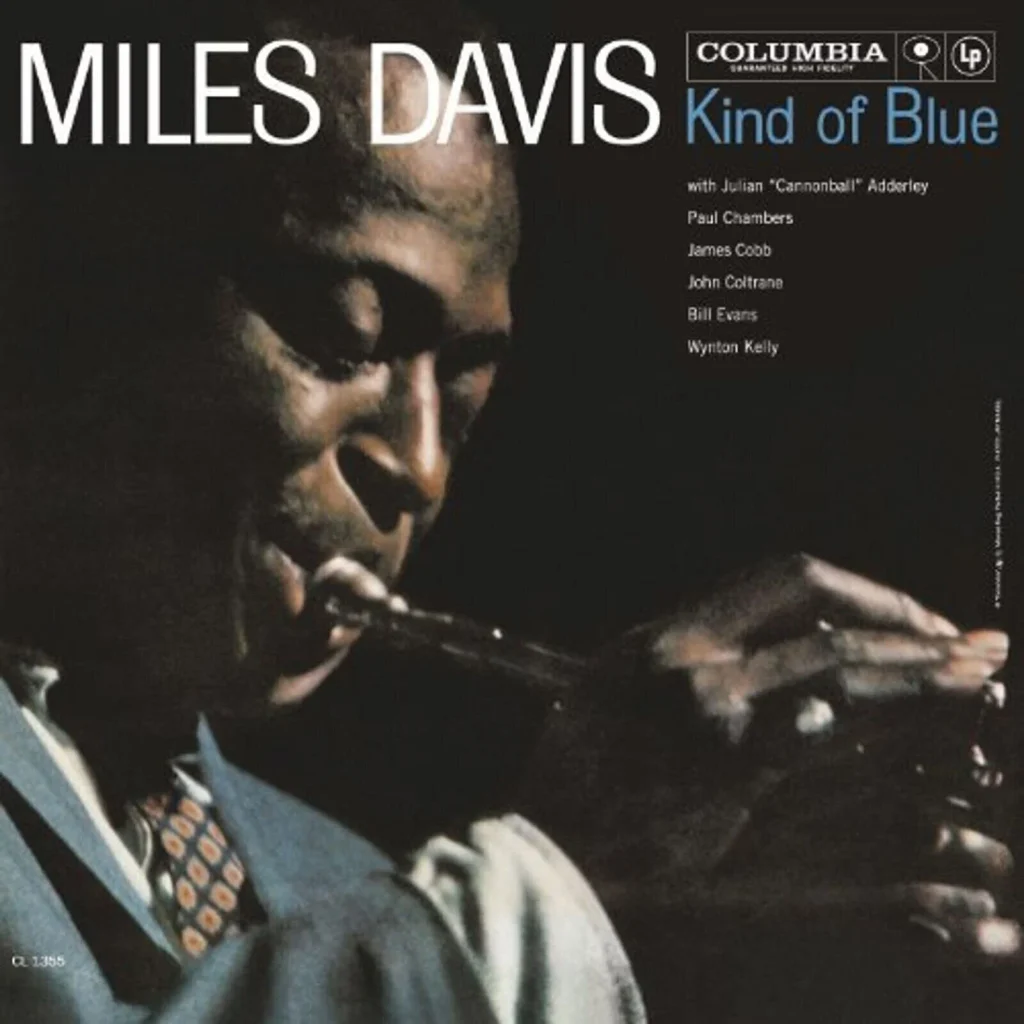
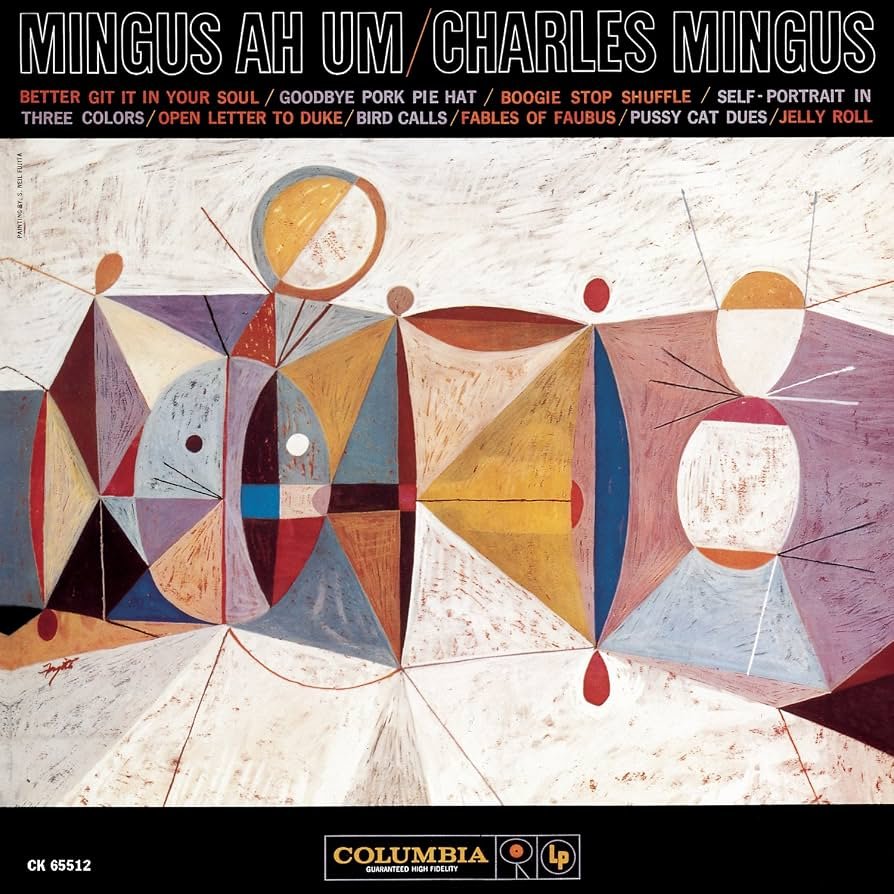
To understand how a record can change the world, we need to start with the body. Long before music became a digital product we consume individually, it was already a way of bringing people together, marking time and building community. In 1959, Miles Davis released Kind of Blue, a record that transformed the relationship between improvisation, harmony and space. His modal approach allowed musicians to explore more freely within harmonic structures that moved less frequently. The result was sophisticated music that didn’t need to flaunt its complexity at every turn: every note seemed to have room to breathe. It didn’t invent modal jazz, but it played a decisive role in popularising it and showing that depth could also come from restraint. That same year, Charles Mingus released Mingus Ah Um, another reminder that the jazz tradition could engage with modern composition, the blues, gospel and African American collective memory.
Meanwhile, in another corner of the musical landscape, a different revolution was taking shape on the dancefloor. James Brown had spent years developing an approach to rhythm in which the one—the first beat of the bar—became the centre of gravity for the entire band. On recordings such as Papa’s Got a Brand New Bag (1965) and Cold Sweat (1967), the groove stopped being just a foundation for everything else to happen over. It became the main event. The instruments began working like components of a rhythmic machine, with clipped guitar parts, insistent bass lines, sharp horn stabs and drums that seemed to speak their own language. That approach proved decisive for the development of funk and, decades later, for generations of hip hop producers who found genuine goldmines in those grooves.
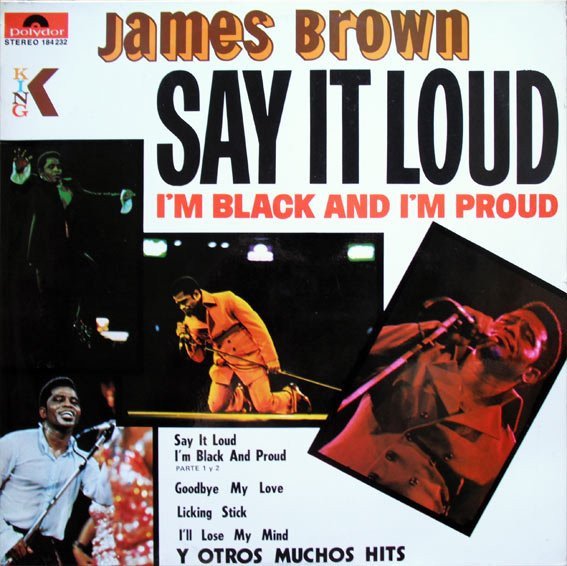
But reducing James Brown to a question of technique would mean missing the bigger picture. His music turned rhythmic control into a form of artistic authority, while his public persona acquired a particular significance during an era marked by the civil rights struggle and the assertion of Black identity in the United States. In 1968, Say It Loud — I’m Black and I’m Proud brought that affirmation straight into the heart of popular culture. The song didn’t create Black pride or launch the movement, but it helped carry its message to a mass audience.
And that’s what happens with records that matter: they connect a musical transformation with a social one. Sometimes change begins with a new harmony; sometimes it starts with a drum pattern that makes everyone move their feet differently. In either case, the sound ends up carrying a meaning that goes far beyond the recording studio.
Records That Made Us Look Around
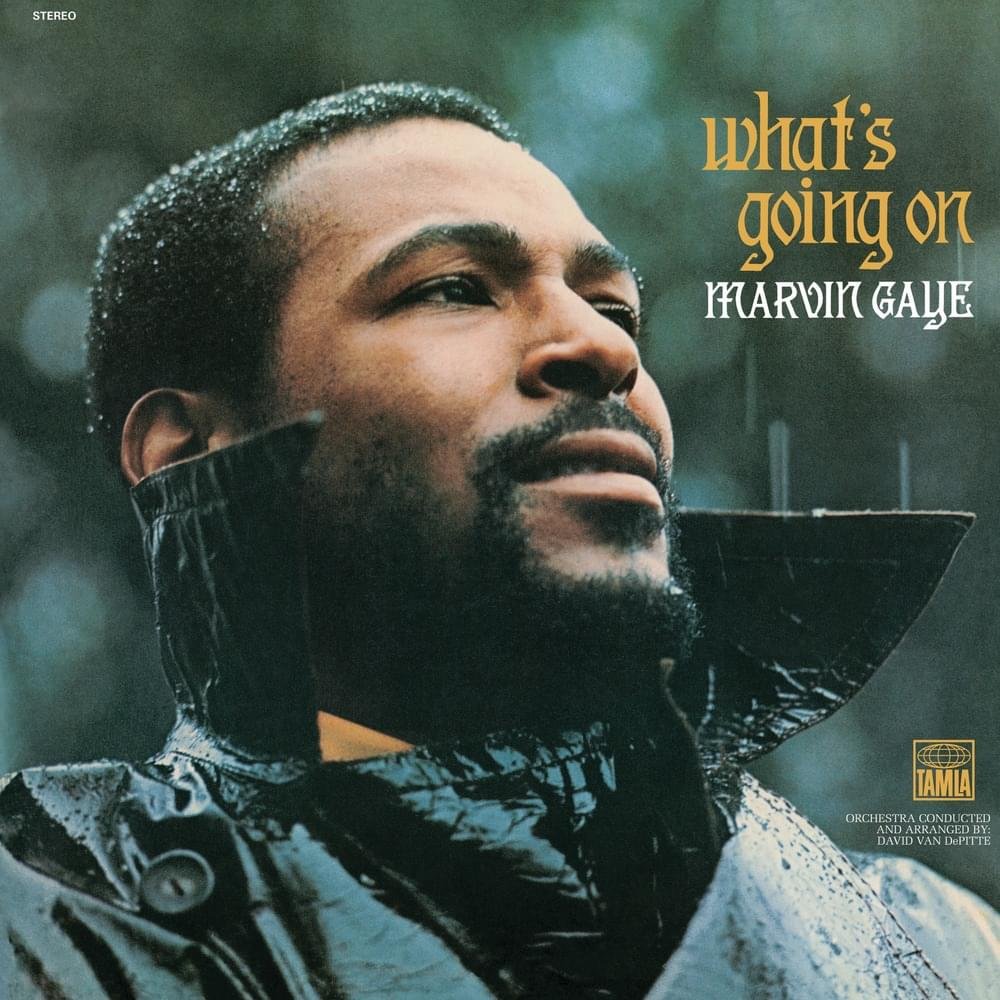
Some records aren’t content with entertaining you. They make you look around, listen to the conversations taking place in the streets and ask yourself what’s happening to the world you live in. In 1971, Marvin Gaye released What’s Going On, one of those albums that changed expectations about what a soul record could be. Inspired by violence, inequality, the Vietnam War and social tensions in the United States, the album offered a critical perspective without sacrificing melodic beauty. Marvin wasn’t shouting slogans from a podium; he was building a musical conversation in which the voices, arrangements and atmospheres seemed to form part of a single consciousness.
The record also marked a decisive moment in his relationship with Motown, a company whose founder, Berry Gordy, had built an empire around an extraordinarily effective commercial production model. Gaye fought for a more personal artistic vision and helped create space for soul albums to function as conceptually ambitious works, rich in political meaning and emotional complexity.
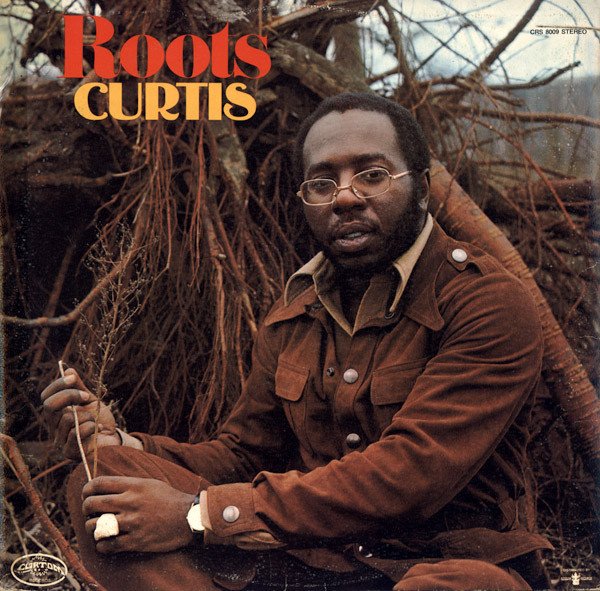
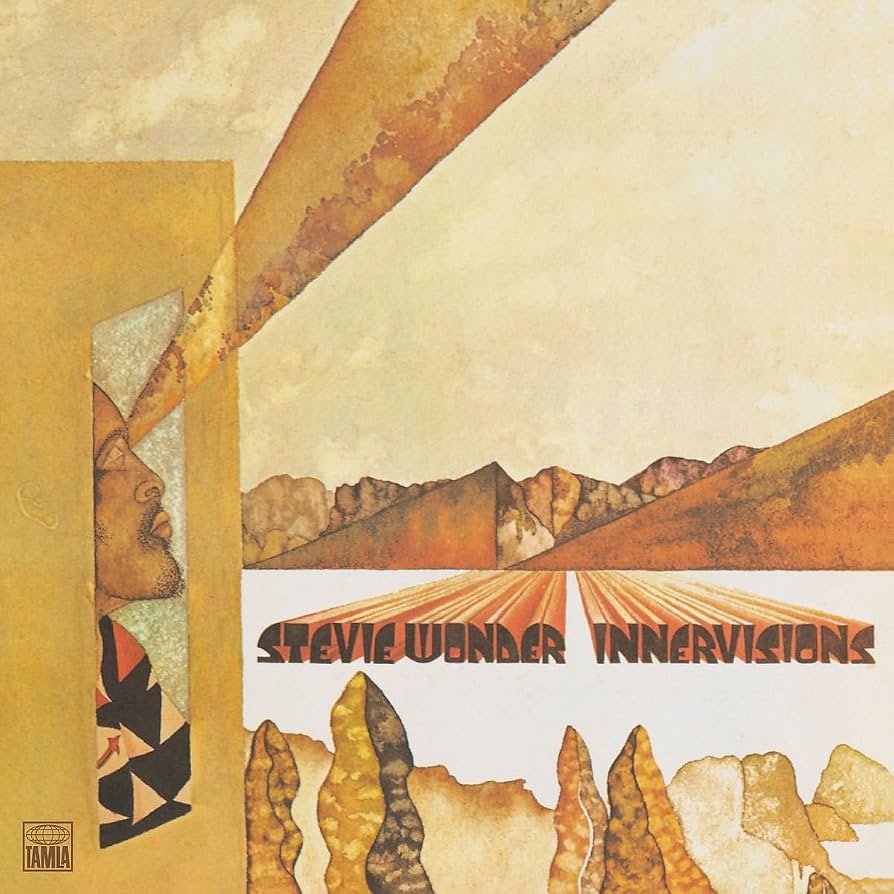
That same year, Curtis Mayfield released Roots, while his earlier work with The Impressions had already demonstrated how soul could accompany the aspirations of the civil rights movement. In 1972, Stevie Wonder released Music of My Mind, beginning a period of creative independence that would reach its peak over the following years. With Innervisions (1973) and Songs in the Key of Life (1976), Wonder expanded the boundaries of soul and R&B through synthesizers, ambitious structures, social observation and extraordinary compositional freedom. These records demonstrated that commercially successful Black music could explore spirituality, politics, technology and everyday life with a depth that challenged the industry’s simplistic categories.
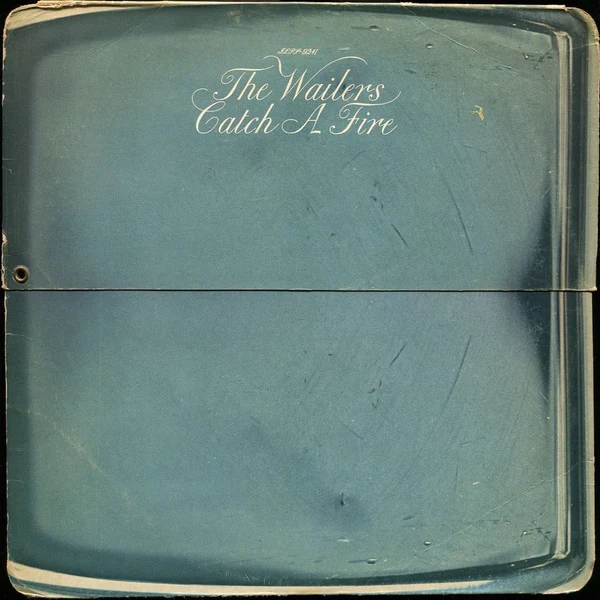
But the transformation wasn’t limited to the United States. In Jamaica, Bob Marley and the Wailers brought reggae to an international audience with albums such as Catch a Fire (1973), released internationally by Island Records with packaging and a distribution strategy that helped place Jamaican sounds in the global rock market. Songs shaped by Rastafari spirituality, injustice and resistance connected with listeners from very different cultures. Marley didn’t invent reggae, and his music didn’t represent every voice in Jamaica, but he became one of its most powerful ambassadors.
And that’s one of the defining qualities of these albums: they transformed particular experiences into messages capable of travelling far beyond their origins. They didn’t erase the differences between their home communities and international audiences; they found a musical language that allowed people to connect without needing to share exactly the same history. When you listen to What’s Going On today, the world has changed, but many of its questions still resonate. That’s the real test of an important record: not whether it remains frozen in its own era, but whether it continues to find new reasons to be heard.
Rewriting the Rules
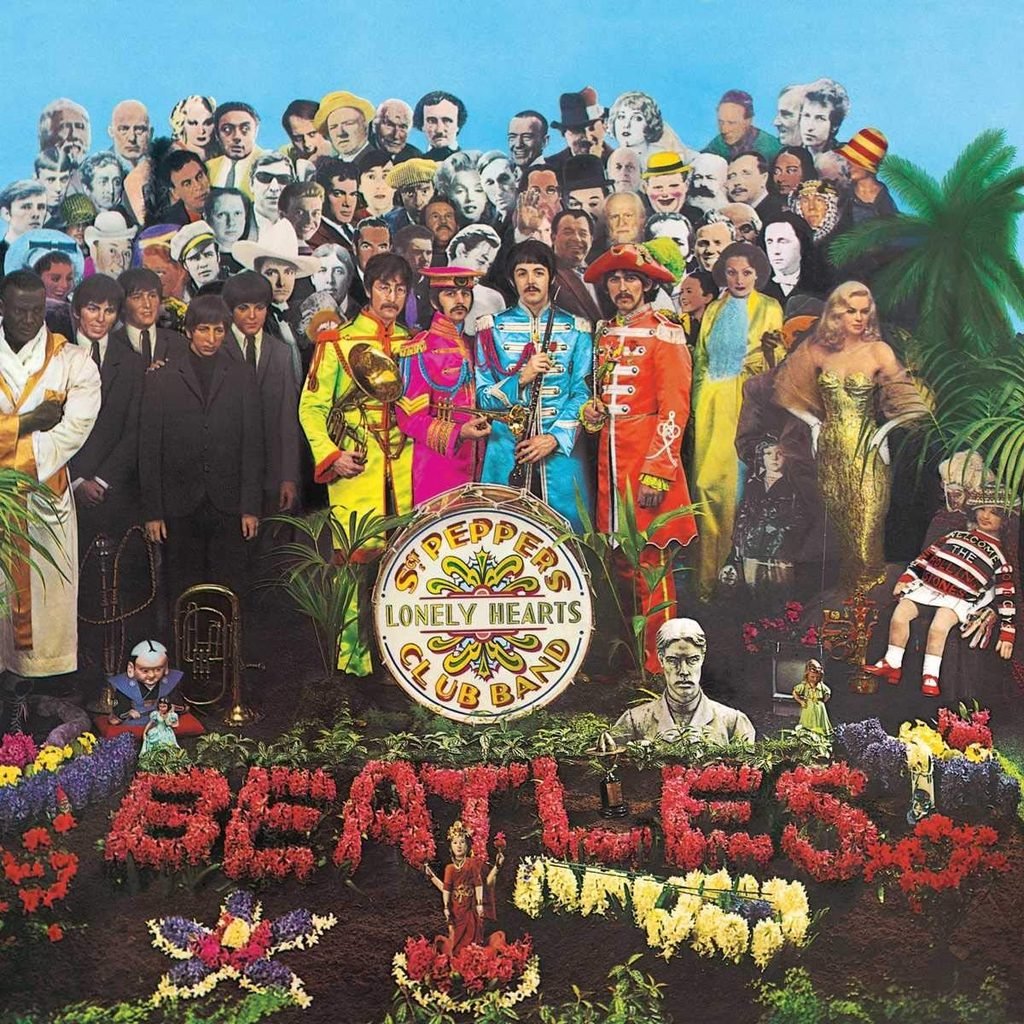
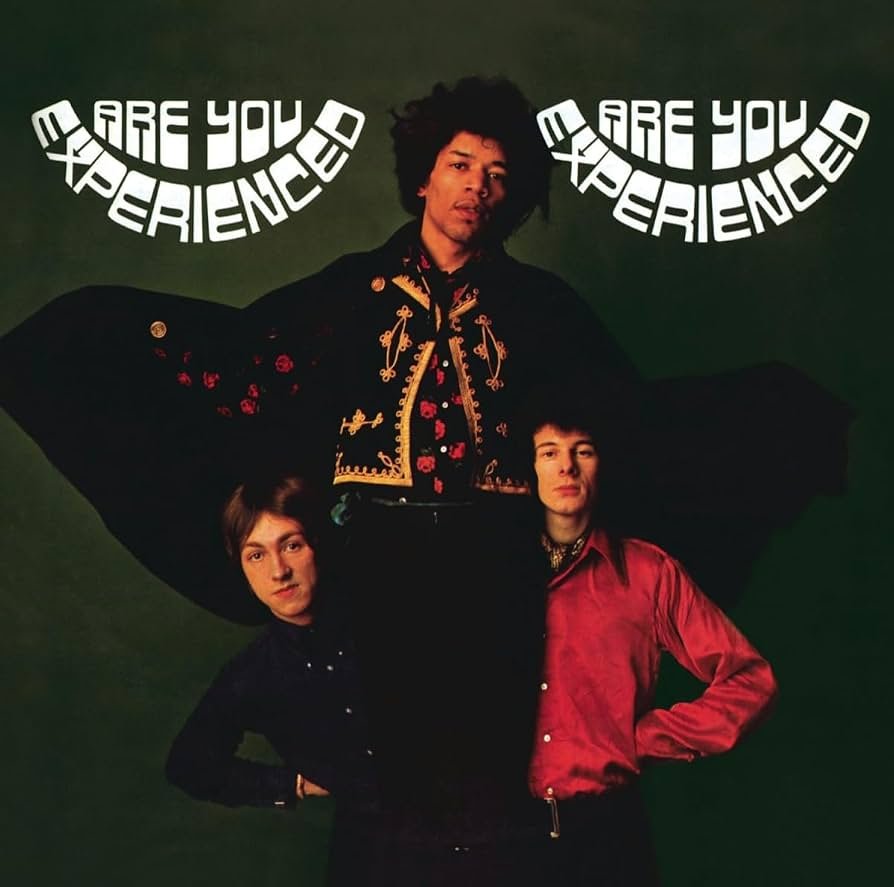
Every revolution needs someone willing to ask why things have to be done the same way they’ve always been done. In music, that question might emerge in a studio, in a club or in a room full of cables. In 1967, The Beatles released Sgt. Pepper’s Lonely Hearts Club Band, an album that helped establish the idea of the LP as a unified artistic experience, with a recognisable visual and sonic identity. It would be an exaggeration to claim that it invented the concept album or that nobody had previously explored the studio as a creative instrument. But its cultural impact was enormous, helping change artistic and commercial expectations of what an album could represent. Meanwhile, elsewhere on the map, Jimi Hendrix was expanding the expressive possibilities of the electric guitar, using distortion, feedback and studio effects as central elements of his musical language. Are You Experienced (1967) demonstrated that the sound of a guitar could become a psychological landscape.
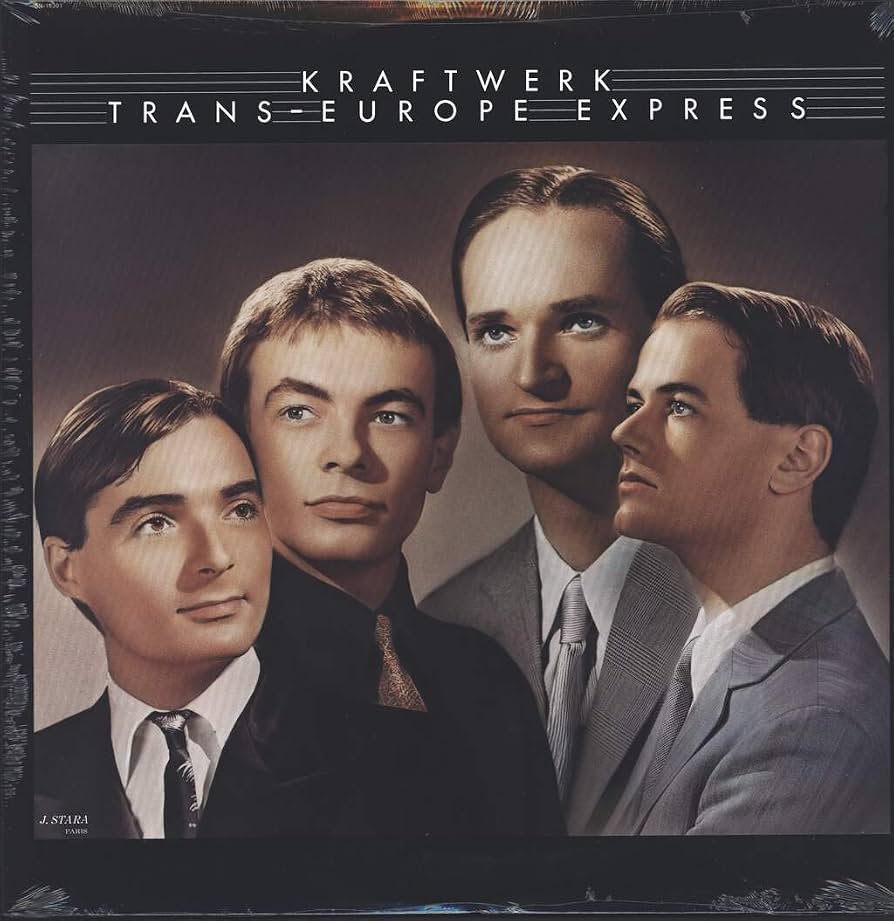
And as electronic music began gaining ground, the very idea of who could make music started to change. Trans-Europe Express (1977), by Kraftwerk, helped establish an electronic aesthetic built around repetition, mechanical precision and a futuristic vision of modern life. Its influence spread from European electronic music to American electro and hip hop. In Detroit, Juan Atkins, Derrick May and Kevin Saunderson reinterpreted those possibilities through the lens of an industrial city undergoing profound economic and social changes. The music they developed would become known as Detroit techno: a vision of the future built from the experience of a Black community, rather than simply a soundtrack for machines.
Across the Atlantic, the culture of sampling would open another door. In 1982, Afrika Bambaataa & the Soulsonic Force released Planet Rock, a landmark recording that connected hip hop with the electronic sounds of Kraftwerk and the emerging electro sound, helping redefine the dance music landscape. The innovation wasn’t simply about bringing machines into the mix. It was about rearranging influences, building a language of its own and showing that music could move forward while looking towards both the past and the future.
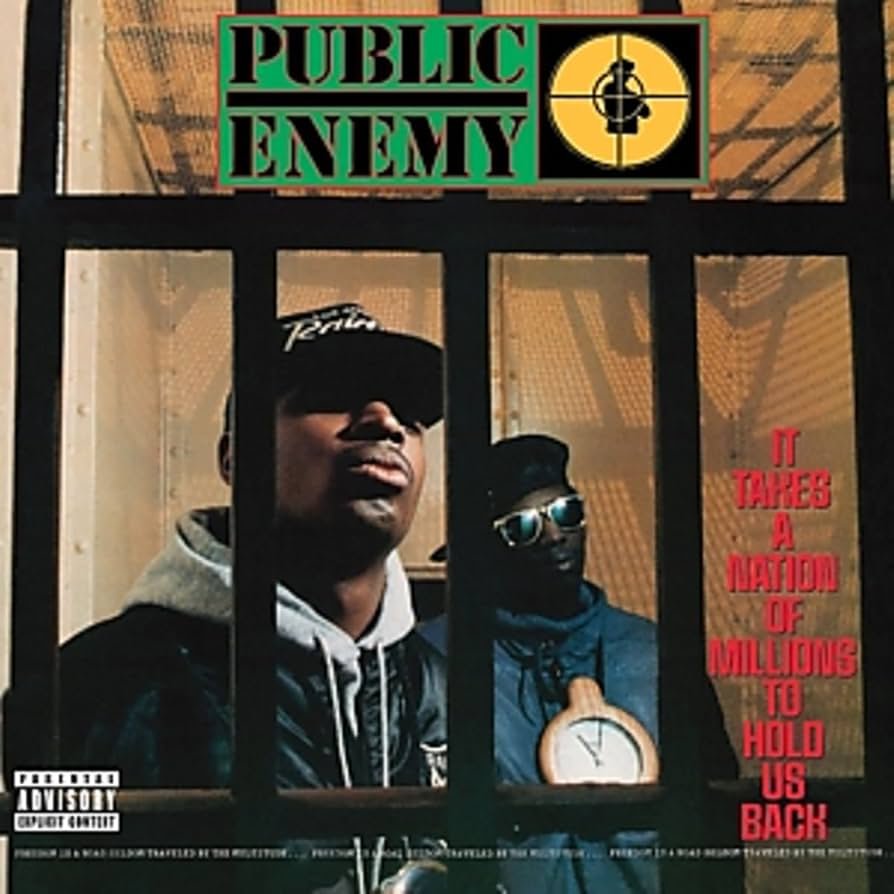
A few years later, Public Enemy turned sonic collage into a political and aesthetic weapon. It Takes a Nation of Millions to Hold Us Back (1988) unleashed a dense, aggressive production packed with references, with The Bomb Squad using fragments of recordings, voices and sounds as if every element were part of a battle for attention. The sampler allowed producers to treat the musical catalogue as raw material, open to new interpretations. A fragment could leave its original context, enter another and take on an unexpected meaning. For the crate digger, that idea changed the game: every old record became a container of future possibilities. But it also reminded us of something fundamental. Innovation doesn’t always mean inventing a sound from scratch. Sometimes it means hearing something that already exists in a different way and finding a possibility nobody else had imagined.
Voices From the Margins
Some of the most important transformations in popular music happened when artists from historically marginalised communities built their own spaces for expression. Hip hop emerged from a combination of community creativity, accessible technology, DJ culture, dance, rhyming and the imaginative use of whatever resources were available. Its roots lie in the Bronx of the 1970s, among Black and Latino communities that turned parties, parks and community centres into cultural laboratories. In 1979, Rapper’s Delight, by The Sugarhill Gang, helped bring rap to the international record market. It wasn’t the origin of hip hop, nor did it fully represent a culture that was already taking shape, but it demonstrated that this local practice could reach a mass audience.
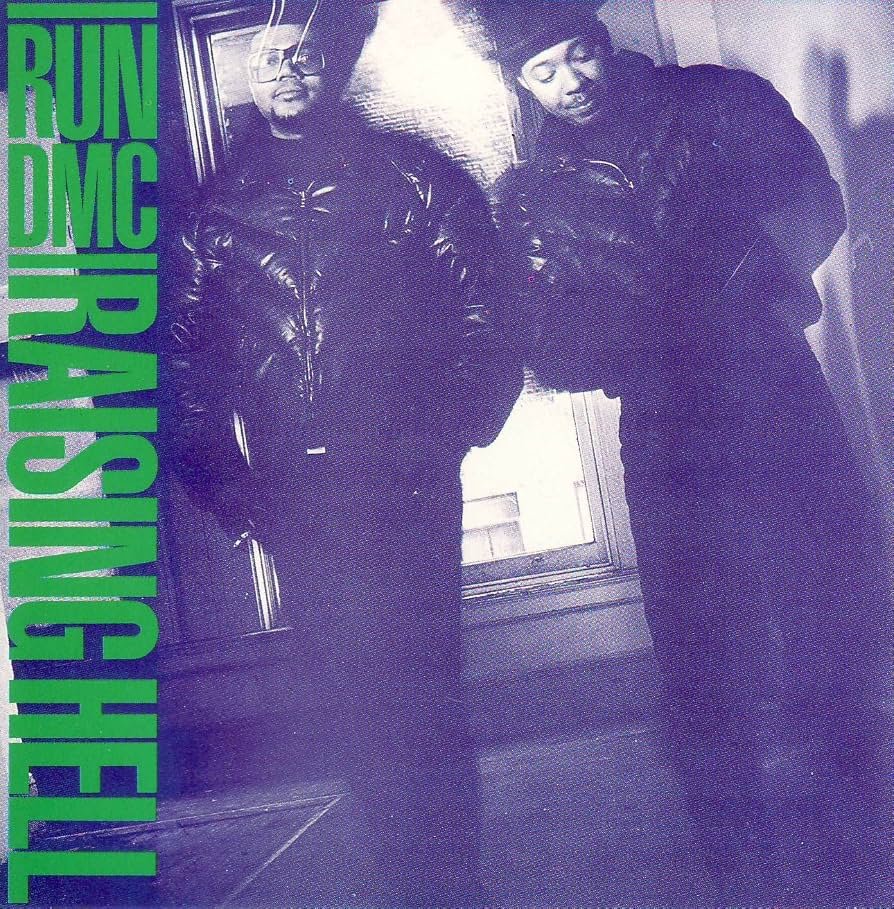
By the mid-eighties, Raising Hell (1986), by Run-D.M.C., helped establish rap as a major commercial and cultural force. Its stripped-back sound, hard-hitting rhythms and urban aesthetic challenged the conventions of an industry that had long associated mainstream success with other forms of presentation. At the same time, hip hop created a space where identity, neighbourhood life, humour, protest and imagination could coexist within a single song. In 1988, Straight Outta Compton, by N.W.A., brought the experiences and tensions of Black communities in Los Angeles to the forefront, sparking a national controversy over representation, censorship and police violence. Its rawness cannot be understood outside the social context that produced it, nor should it be mistaken for a complete account of life within an entire community. But its impact demonstrated that rap could bring uncomfortable conversations into the centre of public debate.
Music doesn’t change the world only when history acknowledges it; it changes the world every time someone finds in it a reason to understand, resist, share or start again.
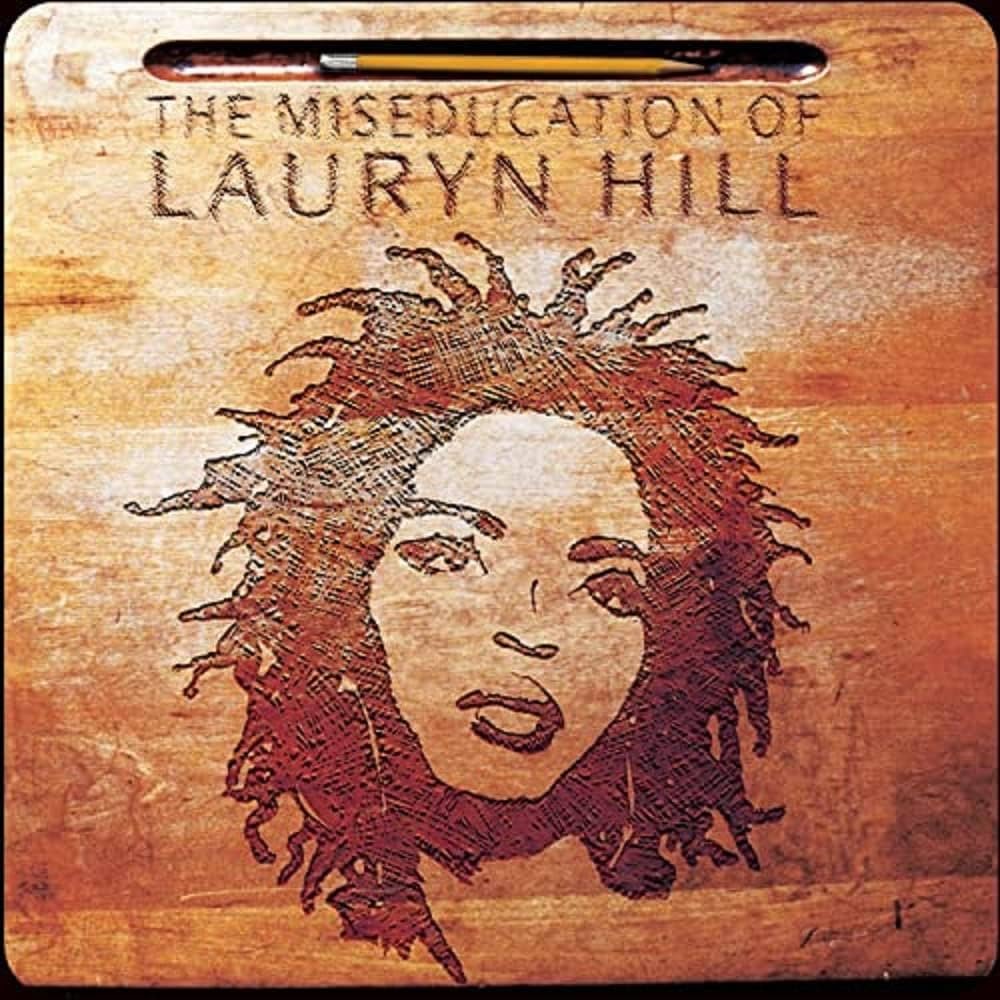
Later on, The Miseducation of Lauryn Hill (1998) brought hip hop, soul and confessional songwriting together in an album that explored identity, love, motherhood and personal growth through a singular artistic voice. Meanwhile, as these records expanded the possibilities of rap, other releases were redrawing the map from different directions. Thriller (1982), by Michael Jackson, became a global phenomenon that redefined the commercial scale of the pop album and helped expand the presence of Black artists in an audiovisual industry that continued to impose barriers. Purple Rain (1984), by Prince, challenged the boundaries between funk, rock, pop and soul, demonstrating that artistic freedom could also be a way of resisting commercial labels.
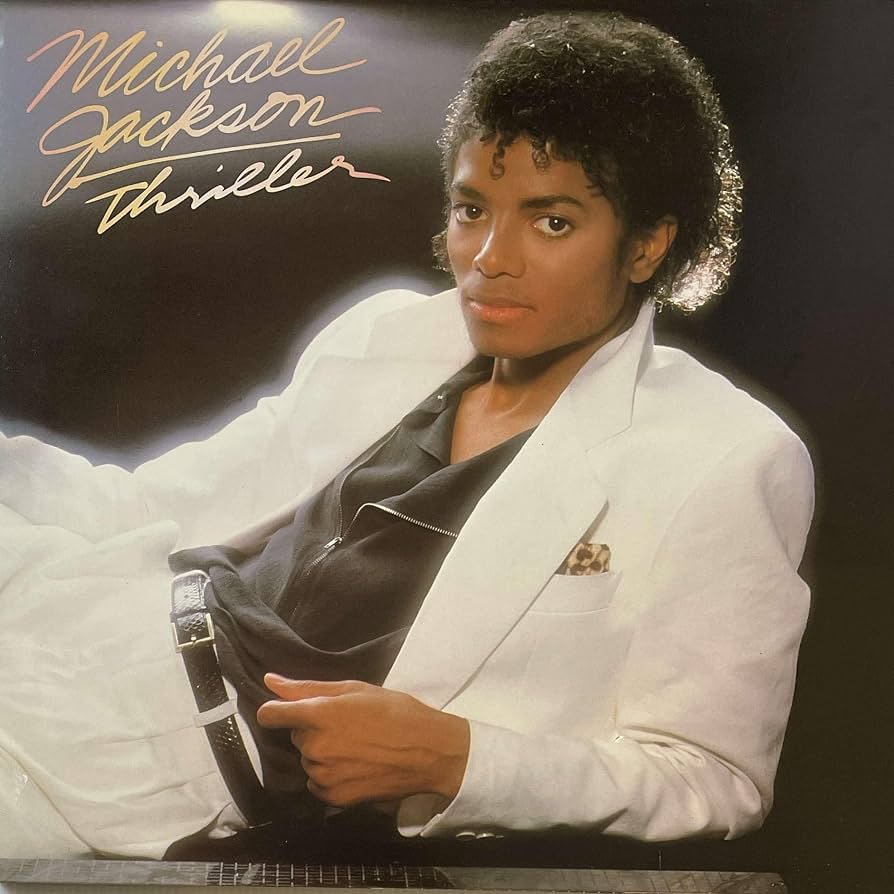
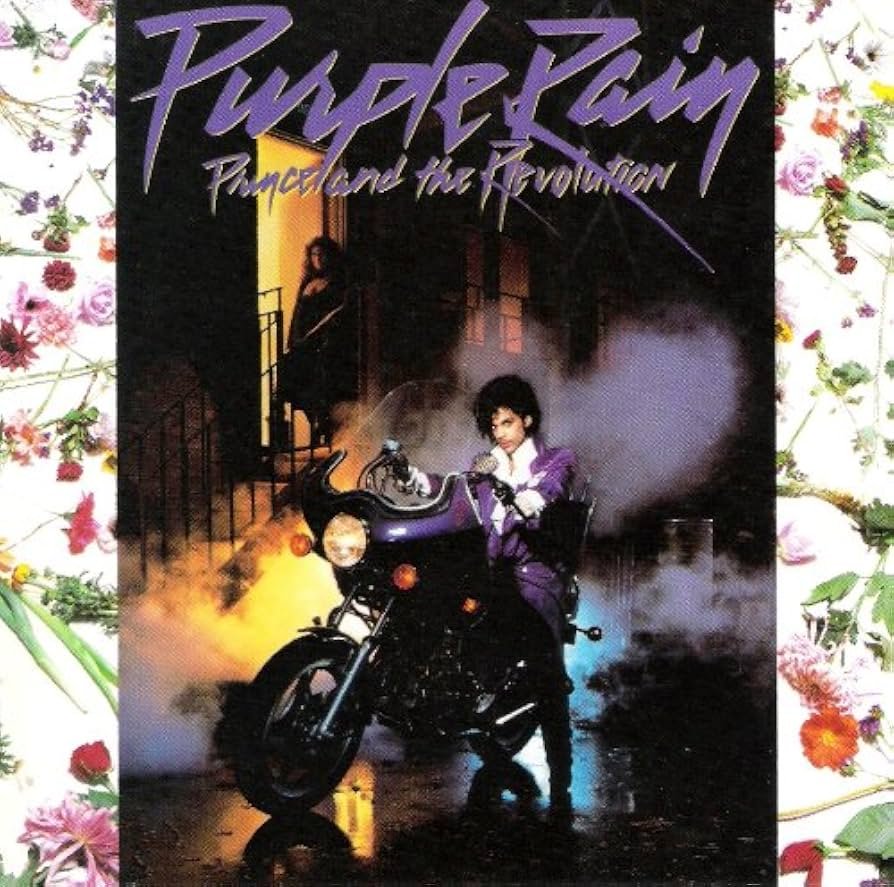
These records didn’t all change the world in the same way. Some transformed business models; others broadened cultural representation or opened possibilities for the generations that followed. But they all demonstrated that popular music isn’t a static territory where every genre must remain in its own box. It’s a space of constant negotiation, where communities transform the resources available to them and turn them into new forms of expression. And when one of those forms finds its audience, the entire map can change.
Beyond the Rankings
After going through all these records, it’s tempting to put together a definitive ranking, give each revolution a score and decide which one deserves the top spot. But I reckon that would mean missing the most interesting part. A record doesn’t need to have sold millions of copies to change someone’s life, just as a landmark recording doesn’t always transform society in an immediate or visible way. Some changes can be measured in sales, awards, new technologies or musical genres born from a single idea. Others are much harder to quantify: the moment someone hears a voice that sounds like their own for the first time, discovers a story they’ve never been told or finds in a song the strength to keep going.
In a record shop, these two dimensions constantly coexist. You might have a first pressing of a historic album in front of you, a record that transformed the industry, with an unknown recording from a local label beside it, one that sold barely a handful of copies. One has its place secured in the history books; the other might change the life of whoever takes it home. Neither experience needs to cancel out the other. That’s one of the reasons I still believe in crate-digging culture: because it teaches us to keep our ears open, not to confuse price with value and to recognise that music history is full of connections we haven’t discovered yet. Every record is a door, but they don’t all lead to the same place. Some take us back to an era, others to a community, a recording technique or an artist whose name we should have learned a long time ago. And some simply bring us back to ourselves.
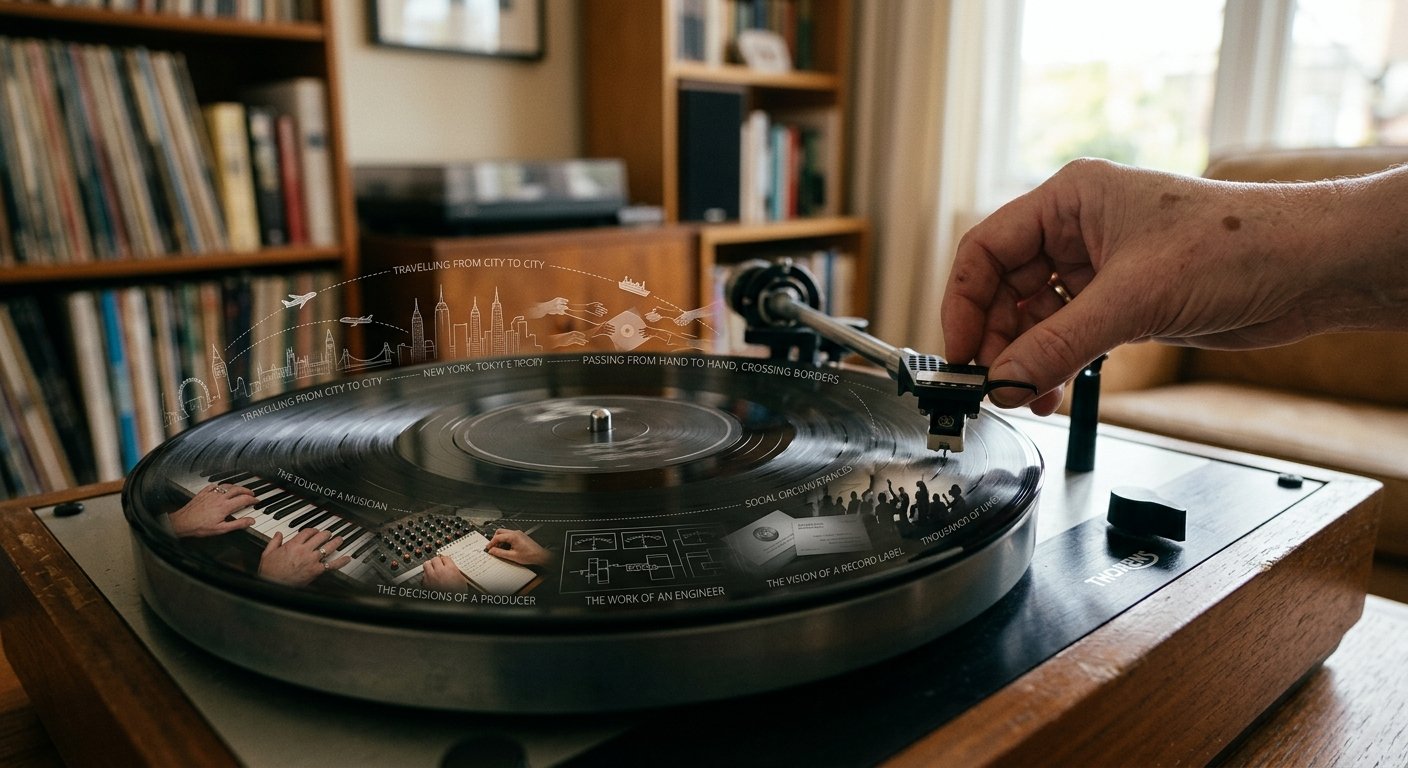
Think about everything that can fit inside a groove: the touch of a musician, the decisions of a producer, the work of an engineer, the vision of a record label, the social circumstances surrounding the recording and the thousands of lives that music might eventually touch. Now imagine that record travelling from one city to another, passing from hand to hand, crossing borders and generations until it reaches a room where someone lowers the needle and listens for the first time. That moment becomes part of its story, too. Perhaps the world doesn’t change overnight. Perhaps there are no headlines or monuments. But something starts moving. And that’s when you realise that the records that changed the world aren’t just the ones that altered the course of the industry or invented new ways of making music. They’re also the ones that taught us to listen to one another, made us dance with people we’d never met or allowed us to imagine a life different from the one right in front of us.
At the end of the day, the most important grooves aren’t necessarily the ones featured on lists of the greatest albums of all time. They’re the ones that keep opening new paths when the world seems determined to close them. Because music doesn’t change the world only when history acknowledges it; it changes the world every time someone finds in it a reason to understand, resist, share or start again. And perhaps that’s why we keep digging for records: not to complete a collection, but to discover what we still have left to hear.
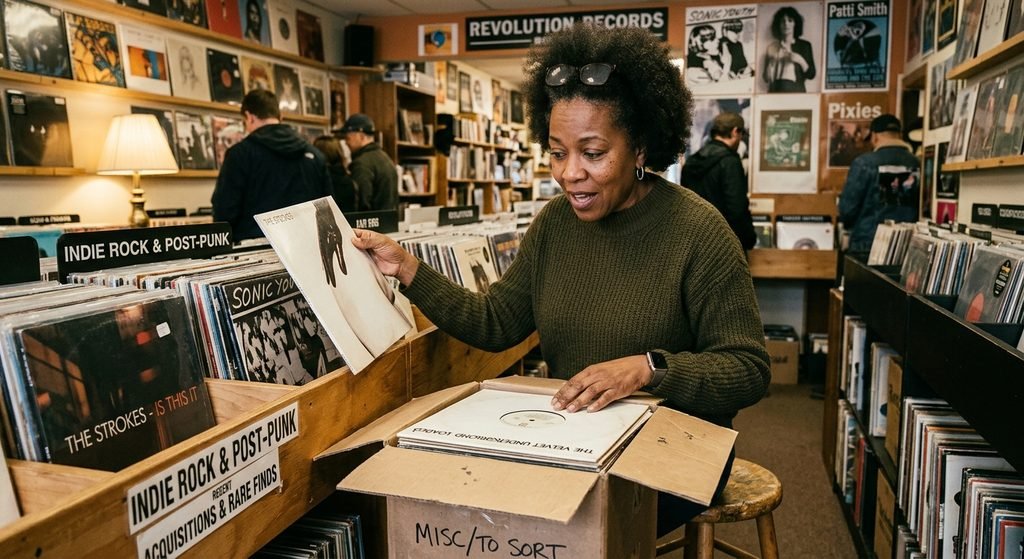
Sometimes, the next revolution isn’t waiting in the future. It’s sitting there, quietly, in a cardboard box, just beneath the record you’ve picked up.
 English
 Spanish